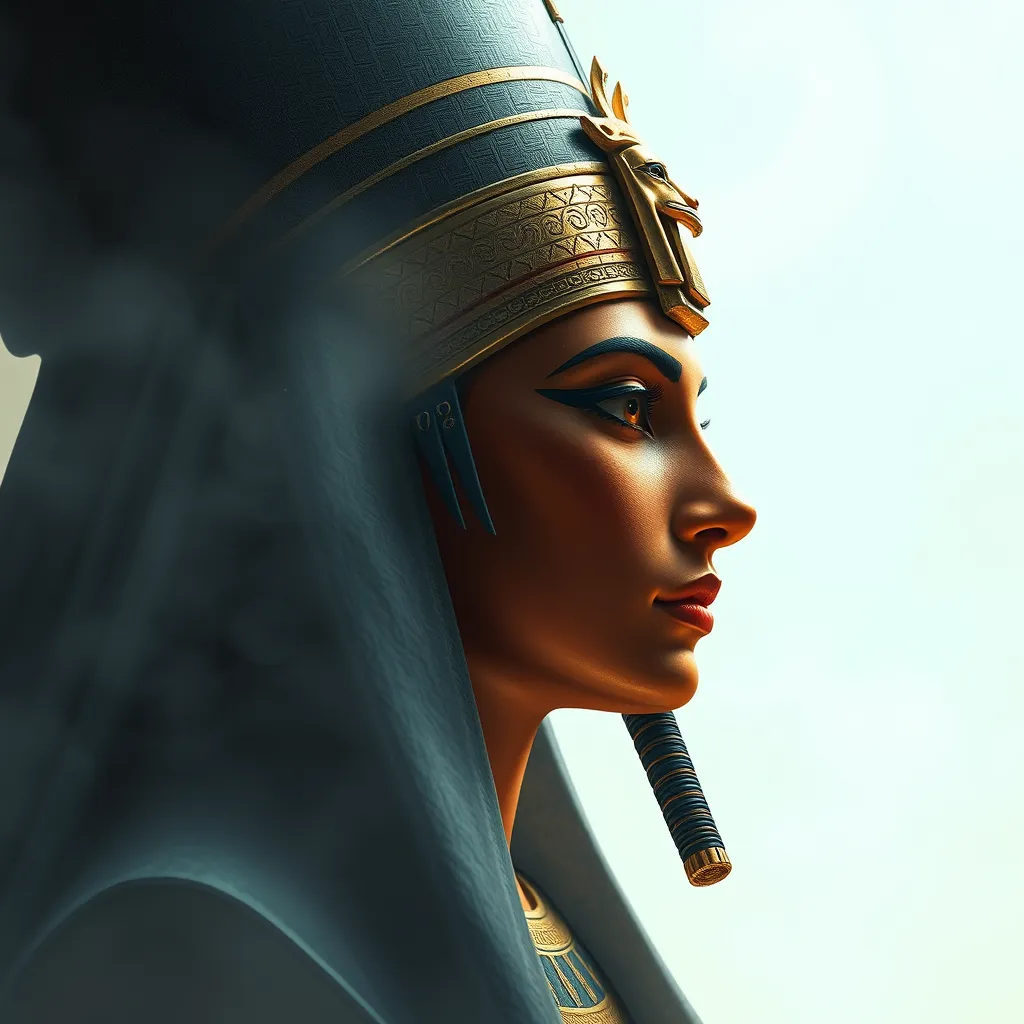
The Queen’s Secrets: The Untold Stories of Ancient Egyptian Women
I. Introduction
Ancient Egypt, renowned for its monumental architecture and rich mythology, was equally remarkable for the significant roles women played in its society. Women in Ancient Egypt enjoyed a degree of freedom and autonomy that was uncommon in many other ancient civilizations. This article aims to unveil the hidden narratives of powerful women in Ancient Egypt, exploring their influence, achievements, and the legacy they left behind.
II. The Role of Women in Ancient Egyptian Society
Women in Ancient Egypt held a unique position that allowed them to partake in various aspects of life, from family dynamics to economic activities.
A. Social status and rights of women
Women in Ancient Egypt were afforded numerous rights that granted them a level of equality with men. They could:
- Own and manage property
- Engage in legal contracts
- Initiate divorce
- Inherit wealth and titles
This legal independence was remarkable in contrast to many contemporary cultures, where women’s rights were heavily restricted.
B. Comparison of women’s roles in Ancient Egypt versus other ancient civilizations
Unlike their counterparts in Mesopotamia or Greece, where women often faced significant limitations, Egyptian women experienced a relatively high social status. For example, while Greek women were largely confined to domestic spaces, Egyptian women could participate in public life, own businesses, and even ascend to the throne as pharaohs.
III. Notable Queens of Ancient Egypt
Throughout history, Ancient Egypt was ruled by several influential queens whose legacies shaped the course of the civilization.
A. Hatshepsut: The Female Pharaoh
1. Her rise to power and reign
Hatshepsut, one of the few female pharaohs, ascended to the throne around 1479 BCE. Initially serving as regent for her stepson Thutmose III, she eventually declared herself pharaoh, adopting male titles and imagery to solidify her power.
2. Achievements and contributions
Hatshepsut is known for her extensive building projects, including her mortuary temple at Deir el-Bahari, and for establishing trade networks that brought wealth to Egypt. Her reign is often considered one of the most prosperous periods in Egyptian history.
B. Cleopatra VII: The Last Pharaoh
1. Her political acumen and alliances
Cleopatra VII, the last active ruler of the Ptolemaic Kingdom of Egypt, is famed for her intelligence and political savvy. She formed strategic alliances with powerful Roman leaders such as Julius Caesar and Mark Antony, working to restore Egypt’s power amidst the growing influence of Rome.
2. Legacy and cultural impact
Cleopatra’s life and reign have been immortalized in literature, art, and film, symbolizing the intersection of beauty, intelligence, and political power. Her legacy continues to captivate audiences, showcasing the complex role of women in leadership.
IV. The Influence of Royal Women in Politics
The political landscape of Ancient Egypt was not solely dominated by men; royal women often played critical roles behind the scenes.
A. The role of queens as regents and advisors
Many queens served as regents, guiding young kings until they reached maturity. Their influence often extended into matters of state, advising on policy and governance.
B. Women’s involvement in dynastic politics and power struggles
Women were also central figures in dynastic politics, often leveraging their familial connections to secure power for their children or themselves. The intrigues of royal families frequently involved women maneuvering for influence and control.
V. Everyday Life of Women in Ancient Egypt
While royal women garnered much attention, ordinary women also played vital roles in society. Their daily lives were multifaceted and varied.
A. Domestic roles and responsibilities
Women were primarily responsible for managing household affairs, raising children, and maintaining family businesses. They were expected to be caretakers and nurturers within their families.
B. Women in professions: artisans, priestesses, and more
Beyond domestic duties, many women worked as:
- Artisans, creating pottery and textiles
- Priestesses in temples dedicated to various deities
- Merchants, engaging in trade
This diversity in roles highlights the active participation of women in the economy and religion of Ancient Egypt.
VI. Spiritual and Religious Significance of Women
Women in Ancient Egypt were not only integral to the domestic sphere but also held significant positions within the religious framework.
A. Goddesses and their representations in society
Goddesses such as Isis and Hathor were revered figures in Egyptian mythology, embodying ideals of motherhood, fertility, and protection. These deities reflected the societal values placed on women and motherhood.
B. Women’s participation in religious rituals and priesthood
Women could serve as priestesses, performing vital rituals and maintaining the temples. Their involvement in religious practices underscores their importance in the spiritual life of Ancient Egypt.
VII. Artistic Representations and Historical Records
The portrayal of women in Ancient Egyptian art and literature offers insights into their societal roles.
A. How art and hieroglyphics depict women in Ancient Egypt
In artwork and hieroglyphics, women were often depicted in a manner that emphasized their beauty and grace. However, they were also shown as powerful figures, particularly in royal contexts.
B. Challenges in interpreting historical narratives of women
Despite the wealth of artifacts and records, interpreting the historical narratives of women poses challenges. Much of what we know is derived from male perspectives, and the contributions of women may be understated in traditional historical accounts.
VIII. Conclusion
Recognizing the contributions of women in Ancient Egypt is essential to understanding the broader narrative of this civilization. Their roles, from queens to everyday artisans, highlight a society that valued female influence and participation. The enduring legacy of Ancient Egyptian women continues to inspire modern discussions surrounding gender roles and equality in contemporary society.