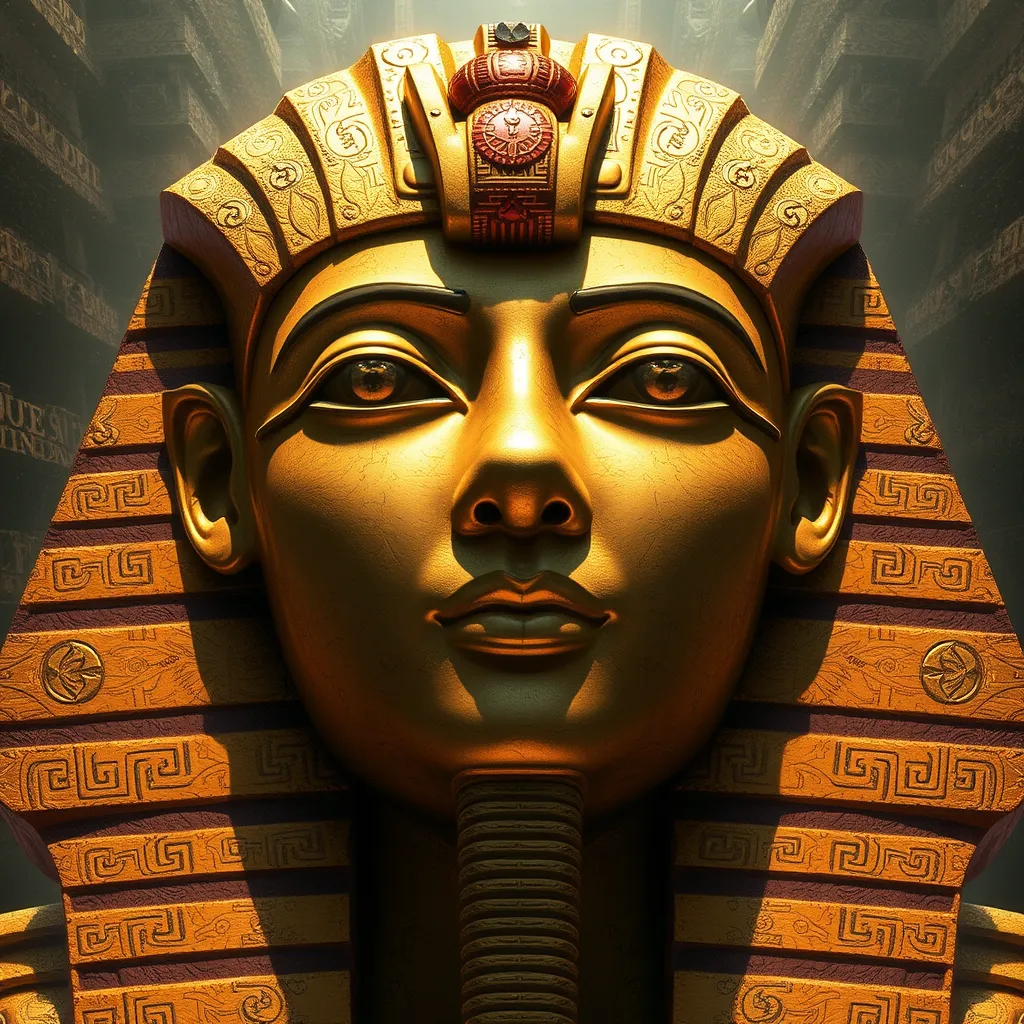
The Queen’s Secret: The Mystery of the Lost Pharaoh
I. Introduction
The legend of the lost Pharaoh has captivated historians, archaeologists, and enthusiasts alike for centuries. This enigmatic figure, shrouded in myth and speculation, represents a significant chapter in the saga of ancient Egypt. The search for this mysterious ruler not only unveils the complexities of Egyptian history but also enriches our understanding of the cultural and political fabric of the time.
The significance of this mystery lies in its potential to reveal insights into ancient Egyptian civilization, including its governance, religion, and societal norms. Through this article, we aim to explore the rich tapestry of this legend, from the historical context leading to the Pharaoh’s disappearance to the modern implications of the discoveries made.
II. Historical Context: Egypt’s Forgotten Pharaohs
The history of ancient Egypt is marked by a succession of dynasties, each contributing to the grand narrative of this remarkable civilization. From the early dynastic period to the last Pharaohs, the legacy of these rulers is evident in the monumental structures and artifacts that have survived through millennia.
Pharaohs were not merely rulers; they were considered divine intermediaries between the gods and the people, wielding immense power and influence. Their roles encompassed:
- Political leadership and governance
- Religious oversight and temple construction
- Military command and expansion of territory
Some notable Pharaohs include:
- King Tutankhamun: Known for his nearly intact tomb and the wealth of artifacts found within.
- Ramses II: Celebrated for his military conquests and monumental architecture.
- Cleopatra VII: The last active ruler of the Ptolemaic Kingdom, known for her alliances with Rome.
III. The Discovery of the Lost Pharaoh
The search for the lost Pharaoh intensified with a series of archaeological findings that hinted at a previously unknown burial site. In recent years, excavations in the Valley of the Kings unearthed a series of tombs that had long been hidden beneath layers of sand and stone.
Key figures in this excavation include:
- Dr. Zahi Hawass, a prominent Egyptian archaeologist known for his work on ancient sites.
- Dr. Elizabeth M. Jones, a historian specializing in Egyptian dynasties.
The burial site, upon its discovery, revealed a wealth of artifacts, including:
- Intricate pottery and tools
- Jewelry adorned with precious stones
- Hieroglyphic inscriptions that provided clues to the Pharaoh’s identity
IV. The Queen’s Connection
Central to the story of the lost Pharaoh is a mysterious Queen, whose identity is still debated among scholars. Historical accounts suggest that she played a crucial role in the Pharaoh’s reign and subsequent disappearance.
Key aspects of their relationship include:
- Possible marriage alliances that strengthened political ties
- Joint rule during a turbulent period in Egyptian history
The implications of her role in the Pharaoh’s story are profound, as they suggest a deeper narrative involving love, betrayal, and power struggles that may have led to the Pharaoh’s untimely demise.
V. The Mystery Unfolds: Clues and Theories
As archaeologists examined the artifacts and inscriptions found within the burial site, numerous theories regarding the Pharaoh’s disappearance began to surface. Some of the key clues include:
- Inscriptions hinting at a violent coup or assassination.
- Artifacts suggesting rapid burial, indicative of a sudden death.
The various theories about the Pharaoh’s fate encompass:
- A secret escape to avoid political turmoil
- A plot involving rival factions within the court
- Divine retribution for a perceived slight against the gods
VI. Modern Implications: What the Mystery Reveals
The mystery of the lost Pharaoh offers invaluable insights into ancient Egyptian culture and beliefs. It highlights the complexities of power dynamics, religious practices, and societal structures that defined the civilization.
This discovery has significant impacts on contemporary archaeology, including:
- Enhanced understanding of burial practices and rituals
- Opportunities for interdisciplinary studies combining archaeology, history, and anthropology
Furthermore, the potential for further discoveries in the region remains high, as many areas in Egypt continue to yield hidden treasures that could reshape our understanding of this ancient civilization.
VII. Cultural Impact: The Lost Pharaoh in Popular Media
The lost Pharaoh has also found a place in popular media, inspiring various representations in literature and film. These portrayals often blend historical fact with fiction, creating a captivating narrative that fuels public fascination.
Examples of this cultural impact include:
- Novels that romanticize the life of the lost Pharaoh and his Queen.
- Films that depict the archeological adventures in search of lost tombs.
This fascination contributes to modern Egyptology by raising public awareness and interest, encouraging further research and exploration of ancient Egyptian history.
VIII. Conclusion
In summary, the mystery of the lost Pharaoh and his Queen encapsulates a significant part of ancient Egyptian history, filled with intrigue and unanswered questions. This ongoing quest for knowledge not only deepens our understanding of the past but also invites us to explore the many mysteries that remain hidden beneath the sands of time.
As new discoveries emerge, the story of the lost Pharaoh continues to evolve, reminding us of the rich and complex tapestry of ancient Egypt. We invite readers to engage with this fascinating history and consider the many mysteries that await discovery in the world of Egyptology.