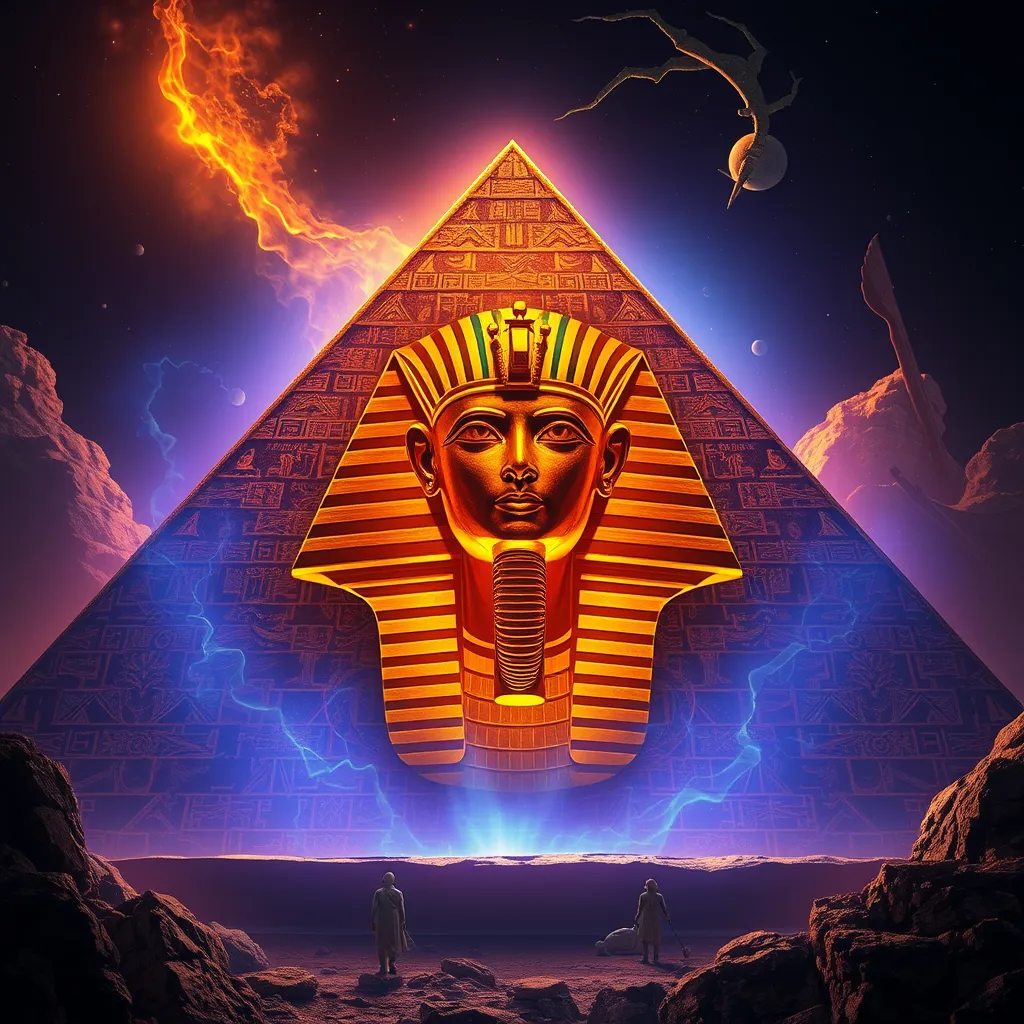
The Pyramid Texts: Deciphering the Rituals of Kingship
I. Introduction
The Pyramid Texts are among the oldest religious writings in the world, originating from ancient Egypt’s Old Kingdom period. These texts, inscribed on the walls of royal tombs, provide profound insights into the beliefs and practices surrounding kingship, the afterlife, and the divine. The significance of kingship in ancient Egyptian society cannot be overstated; pharaohs were seen as intermediaries between the gods and the people, embodying divine authority on earth. This article aims to explore the historical context, structure, content, and enduring impact of the Pyramid Texts, delving into their essential role in understanding ancient Egyptian kingship.
II. Historical Context of the Pyramid Texts
A. Origin and dating of the Pyramid Texts
The Pyramid Texts date back to the late 4th and early 3rd millennium BCE, specifically around 2350-2100 BCE. They were primarily found in the pyramids of Saqqara and Memphis, with the earliest examples inscribed in the pyramid of Unas. Over time, these texts evolved, reflecting the changing religious and political landscape of ancient Egypt.
B. The role of the Old Kingdom in Egyptian history
The Old Kingdom, often referred to as the “Age of the Pyramids,” was a period of remarkable architectural and cultural achievements. During this time, the concept of the divine kingship was firmly established, with pharaohs being revered as gods on earth. The Pyramid Texts emerged as a crucial component of this religious and political ideology, solidifying the pharaoh’s role in the afterlife.
C. Archaeological discoveries and their impact on understanding the texts
Archaeological excavations in the 19th and 20th centuries uncovered numerous examples of the Pyramid Texts, allowing scholars to analyze their content and significance. Discoveries such as the tomb of Unas revealed not only the texts themselves but also the context in which they were used, leading to a deeper understanding of ancient Egyptian funerary practices.
III. Structure and Content of the Pyramid Texts
A. Description of the texts’ format and organization
The Pyramid Texts are characterized by their unique format, consisting of spells, hymns, and rituals inscribed in hieroglyphics. These texts are organized thematically, often beginning with invocations and ending with spells intended to guide the deceased pharaoh through the afterlife.
B. Key themes and motifs found within the texts
Several recurring themes and motifs can be found throughout the Pyramid Texts, including:
- The journey of the pharaoh in the afterlife
- Invocation of gods and goddesses
- Protection from chaos and enemies
- The pharaoh’s transformation into a divine being
C. Language and symbolism used in the Pyramid Texts
The language of the Pyramid Texts is rich with symbolism and metaphor. Hieroglyphs convey complex ideas, often using imagery that relates to the natural world and the divine. For example, the sun and the sky are frequently invoked as symbols of rebirth and eternity, highlighting the pharaoh’s connection to the cosmos.
IV. The Role of Kingship in Ancient Egypt
A. Definition and importance of the pharaoh’s divine status
In ancient Egypt, the pharaoh was not merely a political leader but a divine entity. This duality of kingship encompassed both earthly governance and divine representation, making the pharaoh vital to maintaining cosmic order. The concept of ‘maat,’ or harmony and balance, was intricately linked to the pharaoh’s rule.
B. Connection between kingship and the afterlife in Egyptian belief
The afterlife was a central aspect of Egyptian belief, and the pharaoh’s successful transition to the afterlife was seen as essential for the continued prosperity of the kingdom. The Pyramid Texts provided the necessary spells and guidance for the pharaoh to navigate this journey, emphasizing the belief that a successful afterlife would ensure maat was preserved in the living world.
C. Rituals and ceremonies associated with kingship
Various rituals and ceremonies were integral to the pharaoh’s reign, including:
- Coronation ceremonies
- Funerary rites
- Seasonal festivals
- Daily temple rituals
These rituals reinforced the pharaoh’s divine authority and sustained the connection between the living and the divine.
V. Rituals and Ceremonies Highlighted in the Pyramid Texts
A. Description of specific rituals referenced in the texts
The Pyramid Texts detail numerous rituals, including the Opening of the Mouth ceremony, which was believed to activate the senses of the deceased, allowing them to partake in the afterlife fully. Other rituals focus on the pharaoh’s resurrection and transformation into a star.
B. Analysis of the purpose and significance of these rituals
These rituals served multiple purposes:
- Ensuring the pharaoh’s safe passage to the afterlife
- Reaffirming the pharaoh’s divine status
- Maintaining cosmic order and balance
C. The relationship between rituals and the concept of maat (order)
The rituals described in the Pyramid Texts are deeply entwined with the concept of maat. Each ceremony was designed to reinforce the order of the universe, ensuring that chaos did not disrupt the natural balance. This relationship highlights the pharaoh’s role as a custodian of maat.
VI. The Influence of the Pyramid Texts on Egyptian Religion and Culture
A. The impact of the texts on subsequent religious practices
The Pyramid Texts laid the foundation for later funerary texts, such as the Coffin Texts and the Book of the Dead. These subsequent texts built upon the themes and rituals established in the Pyramid Texts, reflecting the ongoing evolution of Egyptian religious thought.
B. Continuity and change in royal rituals over time
While the core principles of kingship remained consistent, royal rituals evolved over time. The later periods saw the incorporation of new deities and practices, demonstrating the adaptability of Egyptian religion in response to changing cultural contexts.
C. The Pyramid Texts as a precursor to later funerary texts
The Pyramid Texts are considered a precursor to later funerary literature, establishing many conventions that would be adapted and transformed in subsequent texts. Their influence is evident in the way later texts addressed themes of the afterlife, divine judgment, and resurrection.
VII. Modern Interpretations and Scholarship
A. Overview of key scholarly contributions to the study of the Pyramid Texts
Scholarly interest in the Pyramid Texts has grown, with key contributions from Egyptologists such as James P. Allen and Richard H. Wilkinson. Their work has helped to translate, interpret, and contextualize these ancient writings, shedding light on their significance in ancient Egyptian culture.
B. Debates and differing interpretations within Egyptology
Interpretations of the Pyramid Texts vary among scholars, particularly concerning the texts’ origins, their intended audience, and their role in society. Some scholars argue that the texts were primarily for the elite, while others contend they served a broader societal function.
C. The relevance of the Pyramid Texts in contemporary discussions about kingship and power
Modern discussions about power and leadership often draw parallels to ancient practices. The Pyramid Texts provide valuable insights into the ways in which divine legitimacy was constructed and maintained, offering a lens through which to examine contemporary issues of authority and governance.
VIII. Conclusion
In summary, the Pyramid Texts offer a profound glimpse into the rituals and beliefs surrounding kingship in ancient Egypt. They illuminate the intricate relationship between the pharaoh, the divine, and the afterlife, revealing the complexities of Egyptian religious thought. The enduring legacy of the Pyramid Texts continues to inform