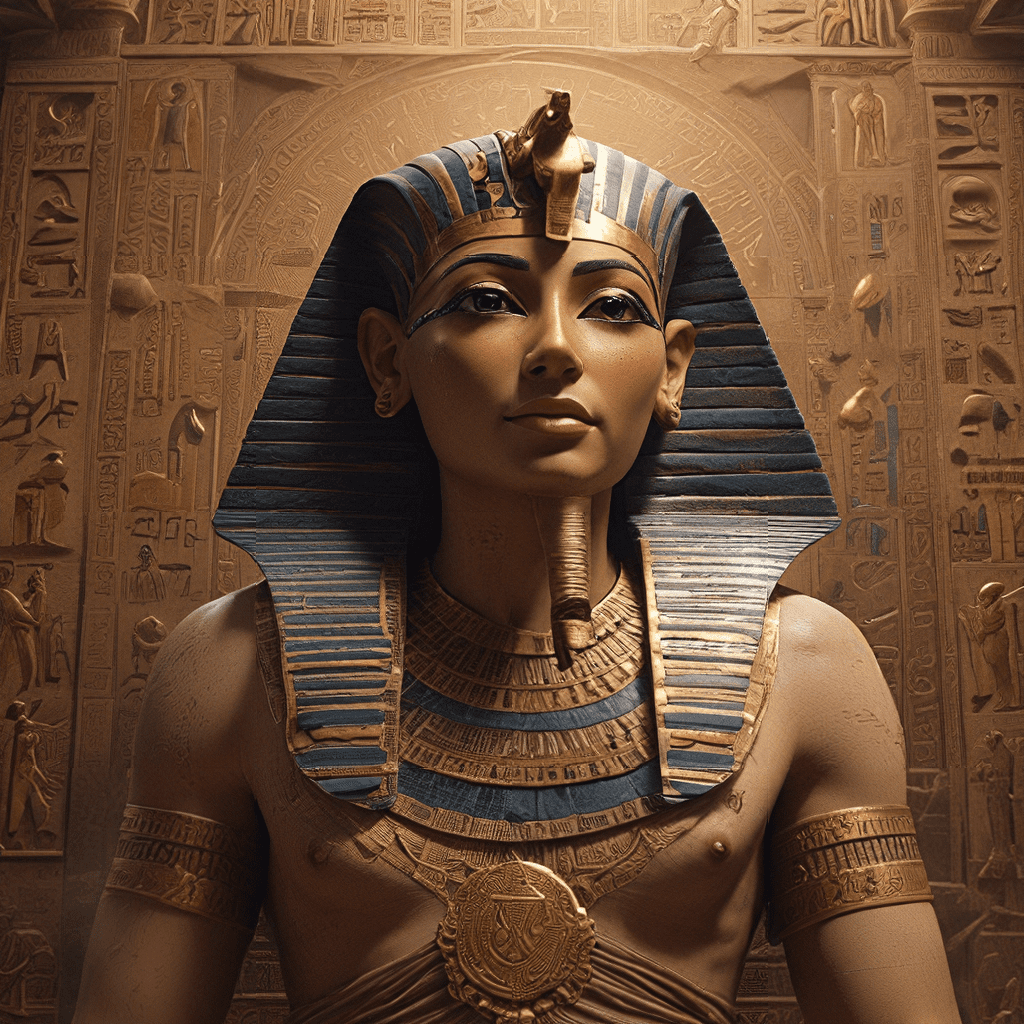
The Power of the Ancients: Exploring Egyptian Magical Texts
Ancient Egypt is a land steeped in mystery and wonder, known for its magnificent pyramids, powerful pharaohs, and enduring mythology. One of the most intriguing aspects of ancient Egyptian culture is its rich tradition of magic.
This article delves into the world of Egyptian magical texts, revealing their secrets and exploring their enduring influence on our understanding of the ancient world.
1. Introduction: Unlocking the Secrets of Ancient Egypt
Egyptian magical texts offer a captivating window into the beliefs and practices of a civilization that thrived for thousands of years. These texts, written on papyrus, stone, and other materials, encapsulate a vast array of magical practices, rituals, and beliefs. From spells to incantations and amulets, these texts reveal the ancient Egyptians’ profound connection to the supernatural.
Understanding ancient Egyptian magic is key to comprehending the mindset of the people who created it. It wasn’t just about conjuring tricks; it was about harnessing the power of the divine, ensuring protection, achieving prosperity, and navigating the journey to the afterlife. By examining these texts, we gain valuable insights into their worldview, their religious practices, and their hopes and fears.
2. The Nature of Egyptian Magic: More Than Just Spells
Contrary to popular perception, Egyptian magic was not simply about casting spells or performing tricks. It encompassed a complex system of beliefs and practices rooted in the ancient Egyptians’ understanding of the universe and their place within it.
This magic was intertwined with their religion, their social structure, and their daily lives.
The ancient Egyptians believed that the world was permeated by magical forces, including the power of gods and goddesses, the energy of the afterlife, and the inherent magic of natural elements. They sought to harness these forces through rituals, spells, and amulets, aiming to achieve specific goals. These goals ranged from healing and protection to attaining prosperity, achieving justice, and ensuring a successful passage into the afterlife.
3. The Role of Gods and Goddesses in Egyptian Magic: Divine Intervention and Ritual
The Egyptian pantheon played a central role in their magical practices. Gods and goddesses were seen as powerful intermediaries, able to grant blessings, offer protection, and intervene in the affairs of mortals. Each god and goddess had specific domains and powers, making them suitable for different magical purposes.
Ancient Egyptians would invoke these deities through rituals, prayers, and offerings, hoping to gain their favor. Magic was often seen as a way to connect with the divine, to influence their actions, and to secure their assistance in overcoming challenges or achieving desired outcomes. The most powerful gods, such as Ra, the sun god, and Osiris, the god of the underworld, were frequently invoked in magical texts, reflecting their importance in the Egyptian worldview.
4. Common Magical Practices: Spells, Incantations, and Amulets
Egyptian magical texts are rich in spells, incantations, and amulets, reflecting the diverse ways in which ancient Egyptians sought to harness magic in their lives. Spells were often written to invoke the power of gods, banish evil spirits, or achieve specific outcomes. Incantations were spoken or chanted to bring about desired results, often combined with gestures and rituals.
Amulets, worn as charms or talismans, were believed to possess protective powers. These objects, often made of precious metals or stones, were inscribed with magical symbols, spells, or the names of gods. They were worn to ward off evil, ensure good health, and bring fortune and success. The use of spells, incantations, and amulets reflects the ancient Egyptians’ belief in the power of words, symbols, and objects to influence the world around them.
5. The Book of the Dead: A Guide to the Afterlife and Its Magical Practices
The Book of the Dead is perhaps the most famous Egyptian magical text. This collection of funerary texts offers a guide to the afterlife, outlining the challenges that the deceased would face in their journey to the underworld and providing spells and incantations to ensure a successful passage. The Book of the Dead reflects the ancient Egyptians’ deep concern with the afterlife and their belief in the power of magic to navigate its complexities.
While it is often referred to as a single book, it’s actually a collection of spells and incantations that varied in length and content. These texts, often inscribed on papyrus scrolls and placed in tombs, were meant to aid the deceased in their journey to the underworld, helping them to navigate the challenges of the afterlife and to achieve eternal life in the presence of Osiris. The Book of the Dead reveals how magic was not only a part of daily life but also an essential tool for navigating the afterlife.
6. The Pyramid Texts: Ancient Wisdom and Magical Formulas for Pharaohs
Another important category of Egyptian magical texts are the Pyramid Texts. These inscriptions, found on the walls of the pyramid chambers of Old Kingdom pharaohs, offer a glimpse into the beliefs of the ancient elite and their aspirations for the afterlife. The Pyramid Texts contain spells and incantations intended to aid the pharaoh in his journey to the afterlife and to secure his immortality.
These texts feature various themes, including the pharaoh’s transformation into a god, his union with the gods, and his passage through the underworld. They also contain magical formulas designed to protect the pharaoh’s body, maintain his power, and ensure his eternal reign. The Pyramid Texts showcase the importance of magic in maintaining the power and legitimacy of the pharaoh and in securing his eternal fate.
7. Magical Texts on Healing and Protection: Preserving Health and Warding Off Evil
Egyptian magical texts also focused on practical matters, such as healing and protection. Spells and incantations were used to ward off illness, to cure diseases, and to protect people from harm. These texts often invoked gods associated with healing, such as Imhotep, the god of medicine, or Isis, the goddess of magic and healing. Amulets were also widely used for protection, with specific charms believed to ward off evil spirits, venomous creatures, and other threats to health and well-being. These texts reveal the ancient Egyptians’ deep concern about health, well-being, and the role of magic in preserving both.
These texts contain detailed descriptions of remedies, spells, and incantations for various ailments, from headaches and stomach aches to more serious conditions. They also provide guidelines for purifying the body and for preventing the spread of disease. The emphasis on healing and protection in Egyptian magic reflects the ancient Egyptians’ desire to live healthy and fulfilling lives and their belief in the power of magic to achieve these goals.
8. Exploring the Use of Magical Texts in Daily Life: Ordinary People and Extraordinary Beliefs
Though the ancient Egyptians were a hierarchical society, magic was not limited to the pharaohs or the elite. Magical texts and practices were widespread among all levels of society, reflecting the integral role that magic played in their daily lives. Ordinary people relied on spells and amulets to protect themselves from harm, to attract good fortune, and to navigate the challenges of daily life.
Magical texts were often used in conjunction with everyday activities. For instance, spells might be recited during farming or construction, seeking the blessings of the gods for a successful harvest or the safe completion of a project. Amulets might be worn to ward off evil spirits or to attract good luck. The use of magic in daily life provides a glimpse into the ancient Egyptians’ belief in the power of the supernatural and its pervasive influence on their existence.
9. From Ancient Egypt to Modern Practice: The Legacy of Egyptian Magic
The legacy of ancient Egyptian magic continues to resonate today. The motifs, symbols, and spells found in Egyptian magical texts have been incorporated into modern-day magical practices, including Wicca, Neopaganism, and other forms of contemporary magic. The fascination with ancient Egypt and the allure of its mystical traditions continue to inspire and influence people around the world.
The enduring appeal of Egyptian magic likely stems from its emphasis on connection to the divine, its practical applications, and its philosophical underpinnings. The ancient Egyptians’ belief in the interconnectedness of the universe, the power of the supernatural, and the potential for human agency continues to resonate with those seeking spiritual guidance and empowerment. The study of ancient Egyptian magic offers a rich and fascinating exploration of human beliefs, practices, and aspirations across cultures and through time.
10. Conclusion: The Enduring Power of Egyptian Magical Texts and Their Relevance Today
Egyptian magical texts offer a unique window into the ancient Egyptians’ worldview, revealing their beliefs about the universe, the gods, and the nature of magic. These texts show how magic was not just a matter of spells or rituals but a deeply ingrained part of their culture, influencing their daily life, their religious practices, and their understanding of the world. From spells to incantations and amulets, these texts provide a fascinating glimpse into the ancient Egyptians’ quest for meaning, purpose, and power.
The study of Egyptian magic can help us understand the human fascination with the supernatural and the enduring appeal of belief systems that promise connection to the divine, protection from harm, and a sense of control over one’s destiny.