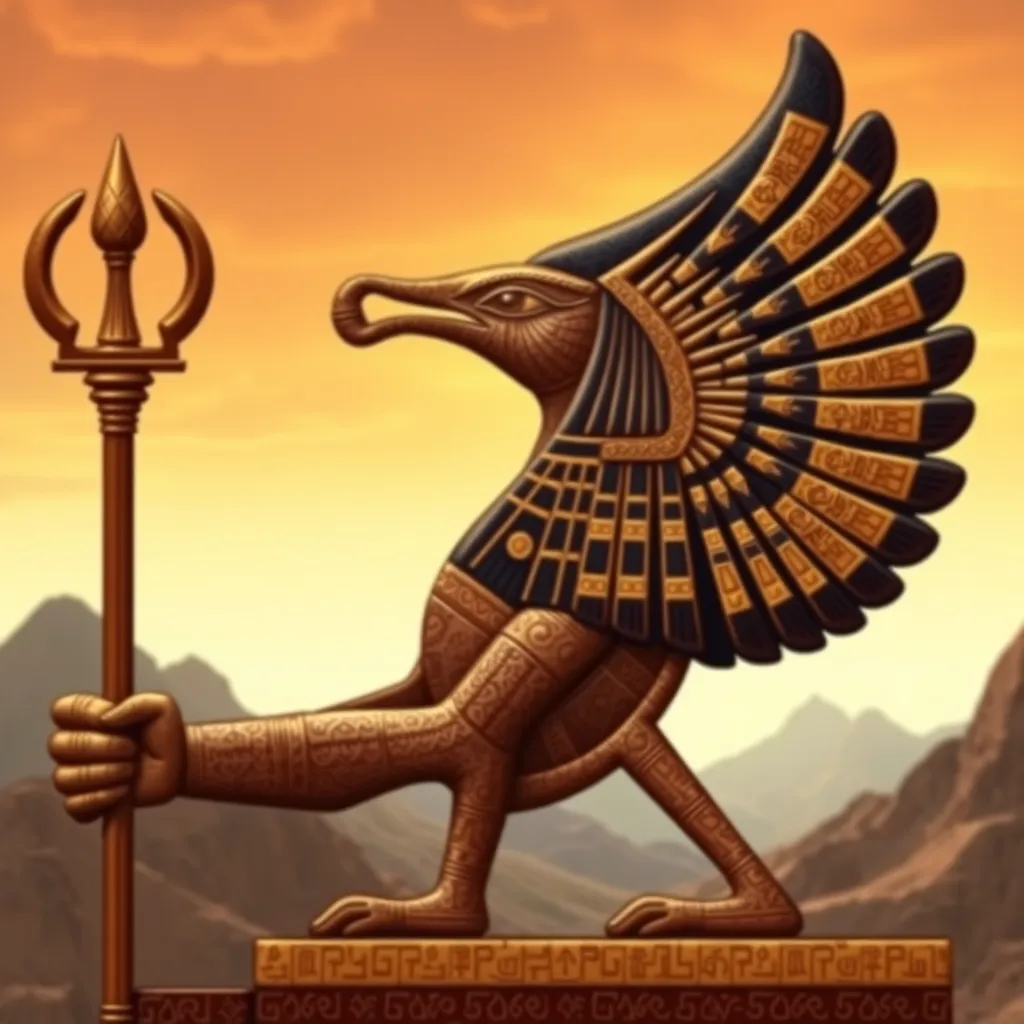
The Power of Images: Egyptian Iconography and its Meaning
I. Introduction to Egyptian Iconography
Egyptian iconography refers to the visual imagery and symbols that were prevalent in ancient Egyptian art and culture. This iconography played a crucial role in conveying complex religious beliefs, cultural values, and social hierarchies. The importance of iconography in ancient Egypt cannot be overstated; it served not only as an aesthetic expression but also as a means of communication and a vehicle for the spiritual beliefs of the society.
Images in ancient Egyptian culture were deeply intertwined with religion and daily life. Every symbol, every depiction of deities, and every scene in tombs and temples carried profound significance, reflecting the Egyptians’ understanding of the world, the afterlife, and the divine.
II. Historical Context of Egyptian Iconography
The evolution of Egyptian iconography spans thousands of years, marked by distinct artistic styles that emerged and transformed throughout different dynasties. From the early dynastic period through the Old Kingdom, Middle Kingdom, and into the New Kingdom, each era brought about new stylistic elements while retaining core symbolic meanings.
Historical events also influenced iconographic themes. For instance, the unification of Upper and Lower Egypt is symbolized through the imagery of the Narmer Palette, which depicts the king wearing both the white crown of Upper Egypt and the red crown of Lower Egypt. Such images not only commemorated significant events but also reinforced the political and religious authority of the pharaohs.
III. Common Symbols and Their Meanings
Among the myriad symbols found in Egyptian iconography, several stand out due to their widespread use and rich meanings:
- Ankh – This symbol represents life and immortality. Often depicted in the hands of deities, the ankh signifies the breath of life and is a powerful emblem of eternal existence.
- Eye of Horus – Known as the Wedjat, this symbol signifies protection, royal power, and good health. The Eye of Horus was believed to ward off evil and provide safety to those who bore it.
- Scarab Beetle – The scarab is a symbol of transformation and rebirth, representing the sun god Ra. Scarabs were often placed in tombs as amulets to ensure safe passage to the afterlife.
IV. The Role of Deities in Iconographic Representation
Deities played a central role in Egyptian iconography, with major gods and goddesses represented in distinctive visual forms. Each deity had specific attributes, colors, and symbols associated with them:
- Ra – The sun god, often depicted with a falcon head and a sun disk.
- Isis – A goddess of magic and motherhood, represented as a woman with a throne-like headdress.
- Osiris – The god of the afterlife, shown as a mummified king, symbolizing resurrection and eternal life.
The significance of anthropomorphic (human-like) and zoomorphic (animal-like) forms in the representation of these deities reflects the Egyptians’ understanding of the divine and its connection to the natural world. This duality allowed for a rich tapestry of stories and attributes that explained the forces of nature and human experience.
V. Hieroglyphs and Image Interaction
Hieroglyphs are an integral part of Egyptian iconography, serving as a written language that complements visual imagery. The relationship between hieroglyphs and visual imagery is symbiotic; together, they convey messages that are richer than either could alone.
Case studies of inscriptions and their accompanying images reveal how hieroglyphs enhanced the narrative depicted in art. For example, tomb walls often featured scenes of daily life alongside hieroglyphic texts that described the deceased’s achievements, wishes, and prayers for the afterlife.
VI. Iconography in Funerary Practices
Funerary practices in ancient Egypt heavily relied on iconography to ensure a successful transition to the afterlife. The use of images in tombs and burial artifacts was paramount. These images often depicted the deceased in a state of eternal youth and vitality, showcasing their status and ensuring their protection in the afterlife.
Symbolism in funerary texts, such as the Book of the Dead, was intricately linked to visual representations. For instance, illustrations of the weighing of the heart ceremony complemented texts that described the process by which the deceased would be judged by Osiris, ensuring their place in the afterlife.
VII. The Modern Interpretation of Ancient Iconography
Contemporary scholars analyze Egyptian images through various lenses, including archaeology, anthropology, and art history. This multidisciplinary approach allows for a deeper understanding of the cultural and historical contexts in which these symbols were created.
Moreover, the influence of Egyptian iconography extends into modern art and culture. Artists and designers frequently draw on the rich visual language of ancient Egypt, incorporating symbols and styles into their work. This enduring fascination highlights the timeless nature of Egyptian imagery and its capacity to inspire creativity across generations.
VIII. Conclusion: The Enduring Legacy of Egyptian Iconography
The cultural significance of images in ancient Egypt resonates through time, reflecting the beliefs, values, and artistic achievements of this remarkable civilization. The power of Egyptian iconography lies in its ability to convey complex ideas and narratives through visual means, engaging both the ancient and modern viewer.
Today, the fascination with Egyptian symbols continues to thrive, as they are embraced in various forms of art, fashion, and popular culture. The legacy of Egyptian iconography remains a testament to the enduring human quest for meaning and connection to the divine.