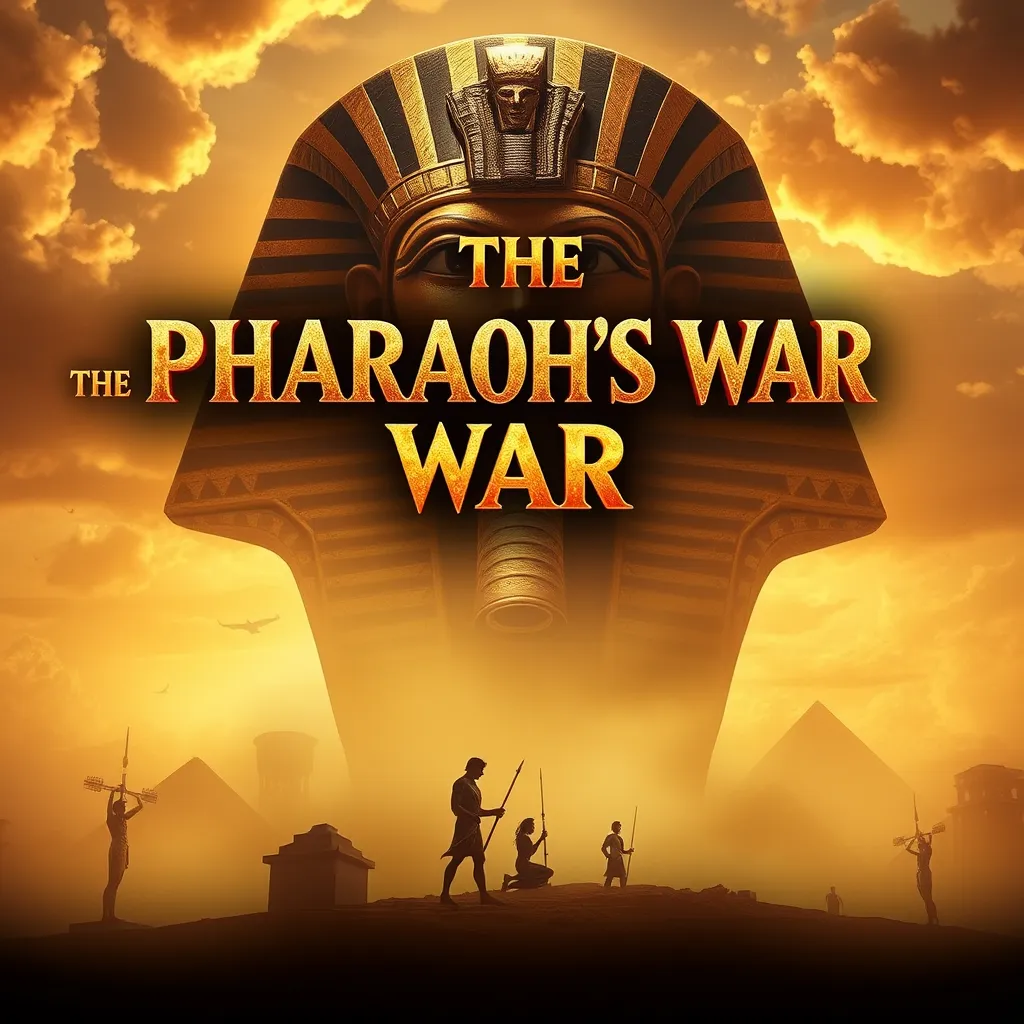
The Pharaoh’s War: The Stories of Ancient Egyptian Kings and Queens
I. Introduction
Ancient Egypt, one of the most fascinating civilizations in human history, is renowned for its monumental architecture, rich mythology, and contributions to art and science. Spanning thousands of years, this civilization has left an indelible mark on the world. A crucial aspect of its history is the role of warfare, which significantly influenced the power dynamics of the region.
This article aims to explore the stories of notable kings and queens of Ancient Egypt during times of war, examining how their military endeavors shaped the course of history and their legacies.
II. The Role of Pharaohs in Ancient Egyptian Warfare
The Pharaohs of Ancient Egypt were not only political leaders but also military commanders. Their responsibilities as military leaders included:
- Defending the kingdom against invaders
- Expanding territorial boundaries through conquest
- Maintaining order and stability within the empire
The divine right of kings played a crucial role in warfare. Pharaohs were seen as gods on earth, believed to be chosen by the gods to lead and protect their people. This divine status empowered them to mobilize the populace for war and justified their military actions.
The military organization of Ancient Egypt was sophisticated, comprising a professional army supported by conscripts during times of war. This structure allowed for effective command and control during military campaigns.
III. Notable Pharaohs and Their Military Campaigns
Several Pharaohs left significant marks on Egyptian warfare through their military campaigns:
A. Ramses II: The Battle of Kadesh and Its Impact
Ramses II, often hailed as one of Egypt’s greatest rulers, led one of the most famous battles in ancient history, the Battle of Kadesh against the Hittites around 1274 BCE. Although the battle ended inconclusively, Ramses II portrayed it as a great victory through inscriptions and monuments. This battle showcased the might of the Egyptian army and solidified Ramses’ status as a warrior king.
B. Thutmose III: Expansion of the Egyptian Empire
Thutmose III, known as the “Napoleon of Egypt,” was a masterful military strategist. His reign saw the expansion of the Egyptian Empire to its greatest extent. He conducted numerous military campaigns in Syria and Nubia, effectively subjugating rival kingdoms and securing trade routes. His successful campaigns not only enhanced Egypt’s wealth but also spread its influence throughout the ancient Near East.
C. Cleopatra VII: Wars Against Rome and Her Political Maneuvers
Cleopatra VII, the last Pharaoh of Egypt, is renowned for her intelligence and political acumen. During her reign, she engaged in military alliances with powerful Roman leaders such as Julius Caesar and Mark Antony. Her involvement in the Roman civil wars highlighted her strategic importance, as she sought to protect Egypt’s sovereignty against encroaching Roman power.
IV. The Queens of Ancient Egypt and Their Influence in War
While the Pharaohs are often celebrated for their military exploits, the queens also played vital roles in warfare and diplomacy:
A. Hatshepsut: Her Role in Military Expeditions
Hatshepsut, one of the few female Pharaohs, effectively led several military expeditions, notably to Punt. Although her reign was more focused on trade and building projects, she did not shy away from asserting her military capabilities, displaying her authority as a ruler.
B. Nefertiti: The Queen’s Influence During Akhenaten’s Reign
Nefertiti, the wife of Akhenaten, held significant influence during a transformative period in Egypt’s religious practices. While not a military leader per se, her role in supporting her husband’s reforms indirectly affected military alliances and stability.
C. Cleopatra: A Strategic Leader in a Male-Dominated Realm
Cleopatra’s leadership during military conflicts against Rome showcases her strategic prowess. She took command of armies and sought to leverage her relationships with Roman leaders to maintain Egypt’s independence, embodying the strength and complexity of female rulers in ancient warfare.
V. Key Battles and Their Historical Significance
Throughout its history, Ancient Egypt witnessed numerous key battles that shaped its political landscape:
- The Battle of Kadesh: Highlighted the military capabilities of Egyptian forces.
- Campaigns in Nubia: Expanded Egypt’s influence and secured vital resources.
- Wars against Rome: Marked the decline of Egyptian power and the rise of Roman dominance.
Each of these battles had profound impacts on Egyptian society, politics, and its legacy, influencing subsequent generations and their understanding of power and warfare.
VI. Warfare Technology and Tactics of Ancient Egypt
The Egyptians developed advanced military technology and tactics that changed the nature of warfare:
- Chariots: Introduced speed and mobility to battles.
- Weapons: Innovations in bronze weaponry enhanced combat effectiveness.
- Fortifications: Strong defensive structures protected territories.
Tactics evolved over time, with early formations giving way to more complex strategies involving archers, infantry, and cavalry units. The military strategies employed varied across dynasties but were always aimed at maintaining the Pharaoh’s power and the security of the realm.
VII. The Cultural Impact of War on Egyptian Society
Warfare had a profound impact on various aspects of Egyptian culture:
- Art: Many artworks celebrated military victories, portraying Pharaohs as heroic figures.
- Literature: Texts often depicted battles and the valor of rulers, contributing to the mythology of kingship.
- Religion: War victories were often attributed to the favor of the gods, intertwining military success with spiritual beliefs.
The portrayal of kings and queens in relation to military success helped shape national identity, with military prowess becoming synonymous with legitimate rule and divine favor.
VIII. Conclusion
The rulers of Ancient Egypt, both kings and queens, played essential roles in shaping the history of warfare in their civilization. From the military campaigns of Ramses II to the political maneuverings of Cleopatra, their legacies continue to influence our understanding of power and leadership.
Reflecting on these stories reveals the intricate relationship between warfare, culture, and governance in Ancient Egypt. The lessons learned from their experiences remind us of the complexity of leadership and the enduring impact of historical narratives on contemporary society.