The Pharaoh’s Tomb: Unveiling the Secrets of Ancient Burials
I. Introduction
Ancient Egyptian burial practices are among the most fascinating aspects of one of the world’s oldest civilizations. These practices reflect a deep reverence for life, death, and the afterlife, particularly concerning the Pharaohs, who were considered divine figures on Earth. The Pharaohs held immense power and influence, serving as both political leaders and spiritual intermediaries. This article aims to explore the intricate burial customs of Ancient Egypt, particularly focusing on the Pharaohs, their tombs, and the rich artifacts that accompanied them into the afterlife.
II. The Historical Context of Pharaohs
The Pharaohs of Ancient Egypt were not merely rulers; they were seen as gods walking among men. Their role encompassed various aspects, including governance, religion, and culture. The Pharaoh’s authority was believed to be divinely ordained, and their actions were seen as pivotal to the prosperity and stability of the nation.
- Role of Pharaohs in Ancient Egypt: They served as the ultimate authority in both secular and religious matters, ensuring Ma’at (cosmic order) was maintained.
- The evolution of burial practices over dynasties: Burial customs transformed significantly from the simple mastabas of the Early Dynastic Period to the grand pyramids of the Old Kingdom and the hidden tombs in the Valley of the Kings.
- Cultural beliefs surrounding death and the afterlife: The Egyptians believed in an afterlife where the deceased would be judged. A successful judgment would grant them eternal life, which influenced their burial practices deeply.
III. Architectural Marvels: Design of Pharaoh’s Tombs
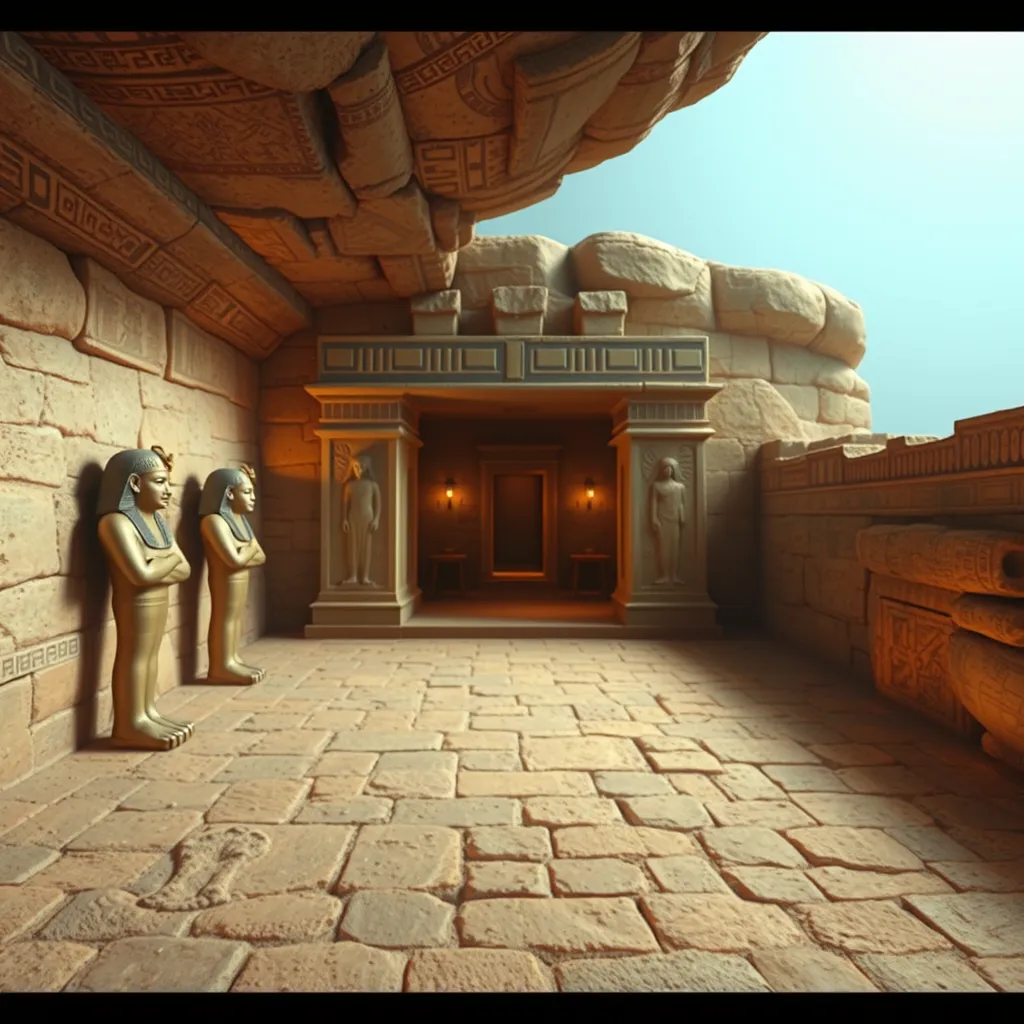
The design of Pharaoh’s tombs is a testament to the architectural ingenuity of Ancient Egypt. These structures were built not only to house the remains of the Pharaoh but also to protect them from grave robbers and ensure a safe passage to the afterlife.
- Types of tombs:
- Mastabas: Early burial structures characterized by a rectangular shape and flat roofs.
- Pyramids: Monumental tombs like those at Giza, built during the Old Kingdom, symbolizing the sun’s rays.
- Valley of the Kings: A burial site for New Kingdom Pharaohs, featuring hidden tombs to deter robbers.
- Key features of tomb architecture: Tombs often included an entrance, burial chamber, and various rooms for offerings and goods.
- Symbolism and alignment with celestial bodies: Many tombs were aligned with stars or the sun, reflecting the Egyptians’ beliefs about the cosmos and the afterlife.
IV. Funerary Artifacts and Their Significance
Funerary artifacts play a crucial role in understanding the beliefs and practices surrounding death in Ancient Egypt. The items placed within tombs were intended to accompany the deceased into the afterlife.
- Common artifacts found in tombs:
- Statues and figurines representing servants, deities, or protective spirits.
- Jewelry, including gold and precious stones, symbolizing wealth and status.
- Everyday objects such as pottery, tools, and games, reflecting the deceased’s life and interests.
- The role of funerary items in the afterlife: These items were believed to provide comfort and utility to the deceased in the next world.
- The importance of hieroglyphics and inscriptions: Inscriptions on tomb walls and sarcophagi served to guide the deceased through the afterlife and invoke the protection of gods.
V. Mummification: Preserving the Body for Eternity
The process of mummification is one of the most well-known aspects of Ancient Egyptian burial practices. This meticulous technique aimed to preserve the body for eternity, allowing the deceased to live on in the afterlife.
- The mummification process and its significance: The process involved removing internal organs, drying the body with natron salts, and wrapping it in linen. This was believed to prevent decay and maintain the body for the afterlife.
- Comparison with other ancient civilizations: While other cultures also practiced body preservation, the Egyptians developed a unique and extensive mummification process unmatched by others.
- Myths and misconceptions about mummification: Many believe that all Egyptians were mummified; however, mummification was primarily reserved for the elite and wealthy, while commoners were buried in simpler ways.
VI. Notable Pharaohs and Their Tombs
Throughout history, several Pharaohs have left an indelible mark through their tombs and the treasures contained within them. These tombs provide invaluable insights into Ancient Egyptian culture and beliefs.
- Tutankhamun: Discovery and its impact on Egyptology: The discovery of Tutankhamun’s tomb in 1922 by Howard Carter revealed a wealth of artifacts and sparked a renewed interest in Ancient Egypt.
- Ramses II and the grandeur of his burial site: Known as one of Egypt’s greatest Pharaohs, Ramses II’s tomb was filled with magnificent treasures and reflected his power and legacy.
- Recent discoveries in the Valley of the Kings: Ongoing excavations continue to uncover new tombs and artifacts, shedding light on previously unknown aspects of Egyptian history.
VII. Modern Archaeological Discoveries and Techniques
The field of Egyptology has greatly evolved, with modern technology playing a pivotal role in exploring and understanding the tombs of the Pharaohs.
- Advances in technology aiding tomb exploration: Techniques such as ground-penetrating radar and 3D scanning allow archaeologists to discover hidden chambers and analyze tomb structures without excavation.
- Notable recent findings and their implications: Discoveries of previously unknown tombs and artifacts have the potential to rewrite aspects of Egyptian history and deepen our understanding of their culture.
- The role of preservation and conservation in Egyptology: Efforts to preserve artifacts and tombs are crucial in preventing deterioration and ensuring future generations can study these invaluable resources.
VIII. Conclusion
The tombs of the Pharaohs are not just burial places; they are monumental testaments to Ancient Egyptian civilization, reflecting their beliefs in the afterlife, the importance of death rituals, and the grandeur of their rulers. As archaeologists continue to unearth secrets from these ancient sites, we gain a deeper understanding of a culture that has left a lasting legacy on modern society. The quest for knowledge about Ancient Egyptian burial practices remains ongoing, reminding us of the enduring fascination with the Pharaohs and their monumental tombs.
In conclusion, the study of Pharaohs’ tombs provides not only insights into a long-gone civilization but also a connection to humanity’s timeless quest for understanding life, death, and what lies beyond.