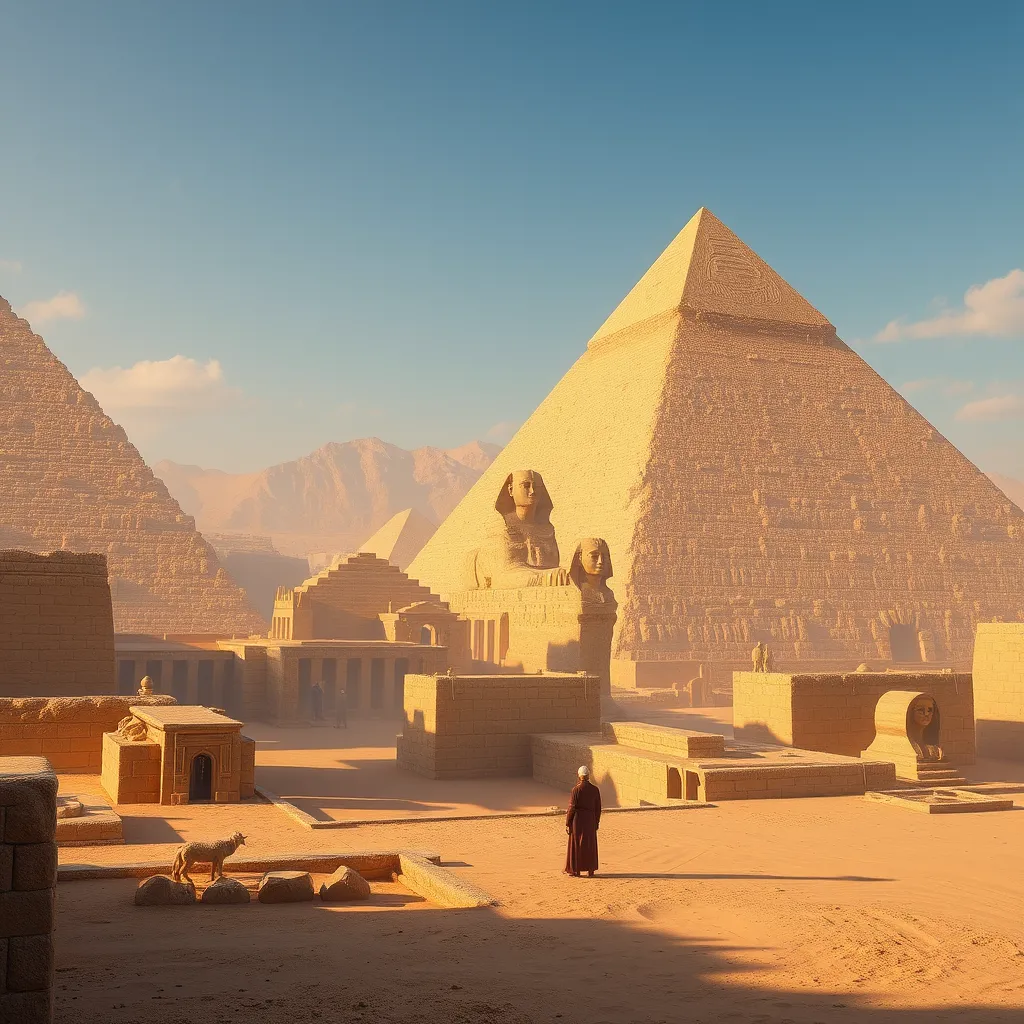
The Pharaoh’s Shadow: A Journey Through the Legends of Ancient Egypt
I. Introduction to Ancient Egypt
Ancient Egypt, with its rich tapestry of culture, history, and innovation, stands as one of the most fascinating civilizations in human history. Spanning thousands of years, it was a time marked by remarkable achievements in architecture, art, and governance, primarily centered around the Nile River, which was the lifeblood of the civilization.
Legends and myths played a significant role in the lives of the ancient Egyptians, weaving a narrative that explained their world, their gods, and their rulers. These stories were not just fanciful tales; they were deeply embedded in the culture, offering insights into moral values, societal norms, and the divine nature of the pharaohs.
This article aims to explore the legends surrounding the pharaohs of Ancient Egypt, shedding light on their divine authority, the mythology that enveloped them, and their enduring legacies that continue to captivate the modern imagination.
II. The Role of Pharaohs in Ancient Egyptian Society
Pharaohs were more than just kings; they were considered divine intermediaries between the gods and the people. Their authority was both political and spiritual, which made their role central to the fabric of Egyptian society.
A. Definition and significance of pharaohs
A pharaoh was viewed not only as a ruler but also as a god on earth. This duality of power gave pharaohs immense influence over their subjects and established their authority as divinely ordained.
B. Pharaohs as political leaders and divine figures
- Pharaohs commanded armies and led their people in times of war.
- They were responsible for the construction of monumental architecture, including temples and pyramids.
- Pharaohs performed religious rituals to appease the gods and ensure the prosperity of the land.
C. The concept of Ma’at and its connection to pharaohs
Central to the governance of Ancient Egypt was the concept of Ma’at, which represented truth, balance, and order. The pharaoh was seen as the embodiment of Ma’at, responsible for maintaining harmony in the universe, and any disruption of this balance could lead to chaos.
III. The Mythology Surrounding Pharaohs
Mythology in Ancient Egypt was rich and complex, and it often revolved around the lives and legacies of the pharaohs.
A. Key deities associated with pharaohs (e.g., Ra, Osiris, Isis)
Some of the most important deities included:
- Ra: The sun god, symbolizing life and creation.
- Osiris: The god of the afterlife and resurrection.
- Isis: The goddess of magic and motherhood, often seen as a protector of the pharaoh.
B. The narrative of the afterlife and resurrection
Pharaohs believed in an afterlife where their souls would continue to exist. The mythology surrounding Osiris, who was resurrected after his death, served as a model for pharaohs, who sought to emulate his journey to the afterlife.
C. Legends of famous pharaohs: Tutankhamun, Ramses II, and Cleopatra
Some pharaohs have entered legend due to their remarkable reigns:
- Tutankhamun: Known for his lavish tomb, his young age, and the mystery surrounding his death.
- Ramses II: Often regarded as one of Egypt’s greatest pharaohs, known for his military exploits and monumental building projects.
- Cleopatra: The last pharaoh of Egypt, known for her intelligence, political acumen, and relationships with powerful Roman figures.
IV. The Construction of Tombs and Pyramids
The monumental architecture of Ancient Egypt, particularly its tombs and pyramids, reflects the civilization’s beliefs about death and the afterlife.
A. The purpose of tombs in Egyptian culture
Tombs were constructed as final resting places for pharaohs, designed to ensure their safe passage to the afterlife. They were filled with treasures, food, and goods the pharaoh would need in the next world.
B. Legends surrounding the construction of the Great Pyramid
The Great Pyramid of Giza, one of the Seven Wonders of the Ancient World, is steeped in legend. Many stories suggest that it was built by the hands of giants or that supernatural forces aided in its construction.
C. Tales of curses and protection in burial practices
The idea that tombs were protected by curses became popular, particularly with the discovery of Tutankhamun’s tomb. Stories of misfortune befalling those who disturbed the resting places of pharaohs added an air of mystery and intrigue.
V. Pharaohs and the Concept of Immortality
The quest for immortality was a vital aspect of pharaonic culture, deeply intertwined with their beliefs about death and resurrection.
A. The significance of mummification
Mummification was a critical ritual designed to preserve the body for the afterlife. The elaborate process involved removing internal organs, drying the body with natron, and wrapping it in linen.
B. Rituals and beliefs about the afterlife
Ancient Egyptians believed that the soul would face judgment after death. The “Weighing of the Heart” ceremony determined whether a soul was worthy of entering the afterlife.
C. Legends of pharaohs returning from the dead
Legends often depicted pharaohs as returning from the dead to protect their people or reclaim their thrones, reinforcing their divine status and the belief in their immortality.
VI. The Legacy of Pharaohs in Modern Culture
The impact of pharaohs and their legends extends far beyond Ancient Egypt, influencing various aspects of modern culture.
A. Influence of Egyptian legends on literature and art
Egyptian mythology has inspired countless works of literature, art, and architecture, captivating artists and writers throughout history.
B. Representation of pharaohs in film and media
Films such as “The Mummy” and “Cleopatra” have portrayed pharaohs in various light, blending historical facts with creative storytelling.
C. Continued fascination with Ancient Egypt in contemporary society
The allure of Ancient Egypt continues to inspire tourists, scholars, and enthusiasts, making it a subject of ongoing study and fascination.
VII. The Archaeological Discoveries of Pharaohs
Archaeology has played a crucial role in uncovering the mysteries of the pharaohs and their legends.
A. Major archaeological sites and their significance
Places like the Valley of the Kings and the Pyramids of Giza remain central to understanding pharaonic history, revealing insights into their lives, beliefs, and cultures.
B. Recent discoveries that shed light on pharaonic legends
Recent archaeological finds, such as new tombs and artifacts, continue to provide valuable information that challenges our understanding of Ancient Egypt and its rulers.
C. The role of technology in uncovering Egypt’s past
Modern technology, including satellite imaging and ground-penetrating radar, is revolutionizing archaeological efforts, allowing researchers to discover and explore sites that were previously inaccessible.
VIII. Conclusion: The Enduring Mystique of the Pharaoh’s Shadow
The legends surrounding the pharaohs are not merely relics of the past; they are vital to understanding Ancient Egypt’s complex civilization. These narratives provide insight into their values, beliefs, and societal structure, illuminating how they viewed the world and their place within it.
The ongoing fascination with pharaonic legends continues to shape modern culture and identity, inviting us to explore the rich tapestry of Egyptian mythology. As we delve into the shadows of the pharaohs, we discover not just stories of rulers but a profound connection to the human experience itself.