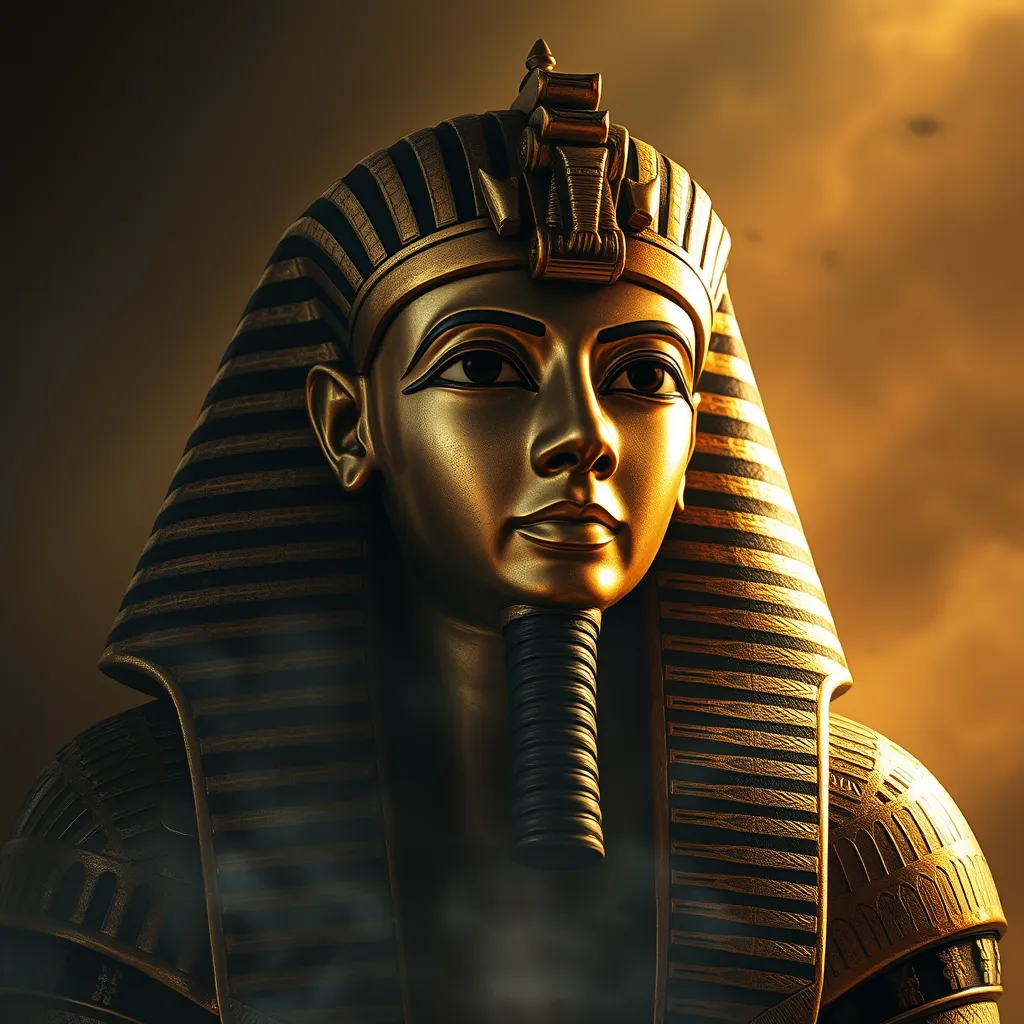
The Pharaoh’s Secret: The Untold Story of an Ancient Egyptian Ruler
I. Introduction
Ancient Egyptian civilization is one of the most fascinating and enduring cultures in human history. Known for its monumental architecture, intricate hieroglyphics, and rich mythology, Egypt has captivated historians and archaeologists alike. At the center of this civilization were the pharaohs, rulers regarded as divine figures whose reigns shaped the course of Egyptian history.
The significance of pharaohs extends beyond mere governance; they were seen as intermediaries between the gods and the people. Among these rulers, one pharaoh stands out due to the mystery surrounding his reign and the secrets that have eluded scholars for centuries. This article delves into the life of this enigmatic pharaoh and explores the secrets that lie beneath the sands of time.
II. The Life of the Pharaoh
The life of the pharaoh was marked by both grandeur and intrigue. Born into a world of privilege and power, his early life was shaped by the expectations of becoming a divine ruler. Historical records suggest that he ascended to the throne at a young age, inheriting a kingdom that was both powerful and fragile.
- Early Life and Ascension to Power: The pharaoh grew up in the royal palace, receiving education from the best scholars of the time. His ascension was marked by a series of political maneuverings that solidified his claim to the throne.
- Significant Achievements and Contributions: Throughout his reign, the pharaoh initiated numerous building projects, including temples and monuments that celebrated the gods and his own legacy. His military campaigns expanded Egypt’s borders, bringing wealth and resources to his people.
- Personal Life and Relationships: The pharaoh had several wives and children, each playing a crucial role in the political landscape. His relationships often intertwined with political alliances, showcasing the complexity of royal life.
III. The Pharaoh’s Secret: An Overview
The “secret” of the pharaoh refers to a hidden aspect of his reign that has puzzled historians for centuries. This secret is not merely a singular event but encompasses a series of mysteries related to his life, governance, and the legacy he left behind.
In its historical context, the secret raises questions about the nature of power and the lengths to which rulers would go to maintain their authority. The initial discoveries regarding this secret emerged from ancient texts and artifacts that hinted at a deeper narrative.
IV. Archaeological Discoveries
Recent archaeological discoveries have shed light on the pharaoh’s life and the secrets he kept. Key sites such as his burial chamber and the temples he constructed have provided invaluable insights into his reign.
- Key Archaeological Sites: The Valley of the Kings, where many pharaohs were buried, contains elaborate tombs that reveal much about their beliefs and practices. Excavations at these sites have uncovered artifacts related to the pharaoh’s life.
- Recent Findings: Archaeologists have recently unearthed inscriptions that suggest the pharaoh may have engaged in rituals that were previously unknown, hinting at the secretive nature of his reign.
- Role of Technology: Advances in technology, such as ground-penetrating radar and 3D imaging, have enabled researchers to explore previously inaccessible areas, leading to groundbreaking discoveries that could reshape our understanding of ancient Egypt.
V. The Pharaoh’s Legacy
The impact of the pharaoh on subsequent rulers and Egyptian society is profound. His reign set a precedent for future pharaohs, influencing how they ruled and interacted with the populace.
- Impact on Subsequent Rulers: Many pharaohs looked to his achievements as a model, adopting similar strategies in governance and military campaigns.
- Cultural and Artistic Contributions: The artistic styles and architectural innovations from his time influenced generations of artists and builders, leading to the construction of iconic structures that define ancient Egypt.
- Influence on Historical Narratives: The pharaoh’s secret has become a focal point in the study of ancient history, prompting scholars to reassess the narrative of power and divinity in Egypt.
VI. Theories and Speculations
Various interpretations of the pharaoh’s secret have emerged over time. Historians and archaeologists have proposed several theories, each providing a different perspective on the enigma.
- Various Interpretations: Some scholars suggest that the secret may involve hidden knowledge or rituals, while others argue it pertains to political maneuvering that ensured his reign.
- Perspectives from Historians: Different historians have approached the topic with varying degrees of skepticism and curiosity, leading to a diverse range of theories continuing to evolve.
- Public Fascination: The allure of the pharaoh’s secret has sparked numerous myths and legends, further igniting public interest in ancient Egypt and its mysteries.
VII. The Modern Significance of the Pharaoh’s Secret
The story of the pharaoh offers valuable lessons for contemporary society, particularly in the fields of archaeology and history. Understanding the complexities of ancient rulers can provide insights into modern governance and cultural preservation.
- Lessons Learned: The pharaoh’s life underscores the importance of examining power dynamics and the impact of leadership on society.
- Relevance to Contemporary Issues: Current debates about cultural heritage and the preservation of ancient sites echo the challenges faced by archaeologists working to uncover the past.
- Importance of Preservation: The exploration of ancient cultures is crucial for understanding human history and identity, reminding us of the need to protect these legacies for future generations.
VIII. Conclusion
In summary, the life of the pharaoh and the mystery of his secret provide a window into the complexities of ancient Egypt. His reign was marked by significant achievements and contributions that shaped the course of history.
The enduring legacy of ancient Egyptian rulers continues to captivate modern audiences, encouraging further exploration and research into the rich tapestry of human history. As we delve deeper into the past, we must remain committed to preserving these ancient cultures and uncovering the secrets they hold.