The Pharaoh’s Curse: The True Stories of Egyptian Mummies, Kings, and Queens
I. Introduction to the Pharaoh’s Curse
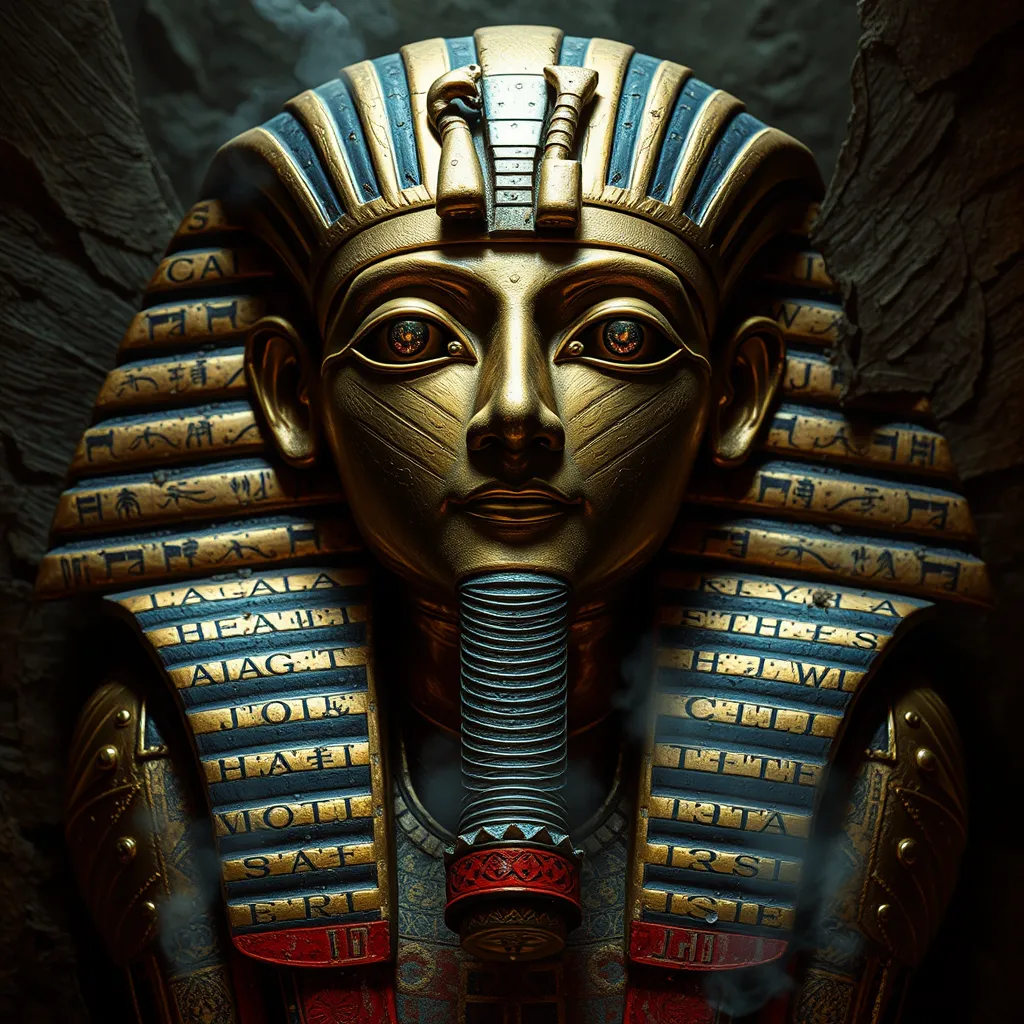
The concept of the Pharaoh’s Curse has intrigued people for centuries. Often depicted in films and literature, it suggests that those who disturb the tombs of ancient Egyptian rulers will face dire consequences. This article delves into the historical context of this curse, contrasting popular culture with reality, and aims to unravel the truth behind the tales of Egyptian mummies, kings, and queens.
II. The Origins of Mummification in Ancient Egypt
Mummification in ancient Egypt was deeply rooted in religious beliefs surrounding death and the afterlife. The Egyptians believed that preserving the body was essential for the deceased to enjoy eternal life.
A. Religious beliefs surrounding death and the afterlife
In ancient Egyptian theology, life did not end with death. Instead, it was a transition to another realm where the deceased would continue to exist. The concept of Ma’at, representing truth and cosmic order, played a crucial role in these beliefs, influencing how the dead were treated.
B. The mummification process and its significance
The mummification process involved several steps:
- Removal of internal organs
- Desiccation of the body with natron (a natural salt)
- Wrapping the body in linen
- Placing amulets and items in the tomb for the afterlife
This meticulous process was believed to ensure the deceased’s safe passage into the afterlife, making it a significant cultural practice.
C. Notable mummies and their historical backgrounds
Some of the most famous mummies include:
- Tutankhamun: The young pharaoh whose tomb was discovered intact in 1922.
- Ramses II: Known as Ramses the Great, he ruled for 66 years and is often regarded as one of Egypt’s most powerful pharaohs.
- Hatshepsut: One of the few female pharaohs, she ruled as a king and is known for her extensive building projects.
III. The Lives of Pharaohs: Kings and Queens of Egypt
The pharaohs of Egypt were not just rulers; they were considered divine intermediaries between the gods and the people.
A. Overview of prominent pharaohs and their reigns
Some notable pharaohs include:
- Khufu: Builder of the Great Pyramid of Giza.
- Akhenaten: Known for introducing monotheism with the worship of Aten.
- Cleopatra VII: The last active ruler of the Ptolemaic Kingdom of Egypt, known for her alliances with Julius Caesar and Mark Antony.
B. The role of queens in ancient Egyptian society
Queens, such as Nefertiti and Cleopatra, played significant roles in politics and culture. They were often depicted as powerful figures in art and were pivotal in diplomatic relations.
C. The political and cultural impact of these rulers
The pharaohs influenced various aspects of life in ancient Egypt, including religion, art, and architecture, leaving a lasting legacy that is still evident today.
IV. The Discovery of Egyptian Tombs
The unearthing of Egyptian tombs, particularly during the 19th and 20th centuries, has profoundly impacted our understanding of ancient Egypt.
A. Key archaeological discoveries (e.g., Tutankhamun’s tomb)
Howard Carter’s discovery of Tutankhamun’s tomb in 1922 is perhaps the most famous archaeological find. The tomb’s treasures provided invaluable insights into ancient Egyptian culture and burial practices.
B. The impact of tomb excavations on our understanding of ancient Egypt
These excavations have revealed:
- Artistic techniques
- Religious practices
- Daily life in ancient Egypt
C. Tales of curses associated with these discoveries
The idea of a curse gained traction after the untimely deaths of several individuals associated with the tomb’s discovery, leading to sensational stories in the media.
V. Debunking the Myth of the Pharaoh’s Curse
While the tales of the Pharaoh’s Curse are captivating, many have been debunked through critical examination.
A. Examination of reported “curse” incidents
The deaths of individuals such as Lord Carnarvon, who financed the tomb’s excavation, fueled rumors of a curse. However, many of these claims lack substantial evidence.
B. Scientific explanations for the deaths of archaeologists and explorers
Many of the reported deaths can be attributed to natural causes, such as infections, pre-existing medical conditions, or even the conditions of the tombs themselves, including exposure to mold and toxins.
C. The role of media and sensationalism in perpetuating the curse narrative
The media played a significant role in sensationalizing the curse, transforming a historical narrative into a myth that continues to capture the public’s imagination.
VI. The Science Behind Mummies and Preservation
The techniques of mummification were advanced for their time and have intrigued scientists for decades.
A. Techniques used in ancient mummification
Ancient Egyptians developed sophisticated methods for preserving bodies, including:
- Embalming fluids
- Use of oils and resins
B. Modern scientific studies on mummies (DNA analysis, CT scans)
Recent advancements in technology have allowed researchers to conduct DNA analysis and CT scans, revealing information about health, diet, and even familial relationships among ancient Egyptians.
C. Insights gained about ancient Egyptian life through mummy research
These scientific studies have provided a clearer picture of ancient Egyptian society, including insights into their health, lifestyles, and social structures.
VII. Cultural Legacy of Egyptian Mummies
The fascination with Egyptian mummies endures in contemporary culture.
A. Mummies in modern entertainment (films, literature)
Movies like “The Mummy” and various novels have perpetuated the allure of mummies, blending history with fiction.
B. The ongoing fascination with ancient Egypt in popular culture
Exhibitions, documentaries, and literature continue to draw people to the mysteries of ancient Egypt, demonstrating a lasting interest in its history.
C. The significance of mummies in contemporary archaeology
Mummies are critical in understanding ancient civilizations, contributing to the broader narrative of human history.
VIII. Conclusion: The Enduring Allure of the Pharaoh’s Curse
The Pharaoh’s Curse represents a fascinating intersection of history and myth. While the curse itself may be a fabrication of sensational storytelling, the stories of ancient Egyptian kings, queens, and their mummies offer invaluable lessons about culture, mortality, and the human experience.
Preserving ancient Egyptian heritage is essential not only for historical understanding but also for appreciating the complexities of our shared past. Ultimately, the stories of these rulers and their mummies remind us of the enduring allure of history and the lessons it imparts.