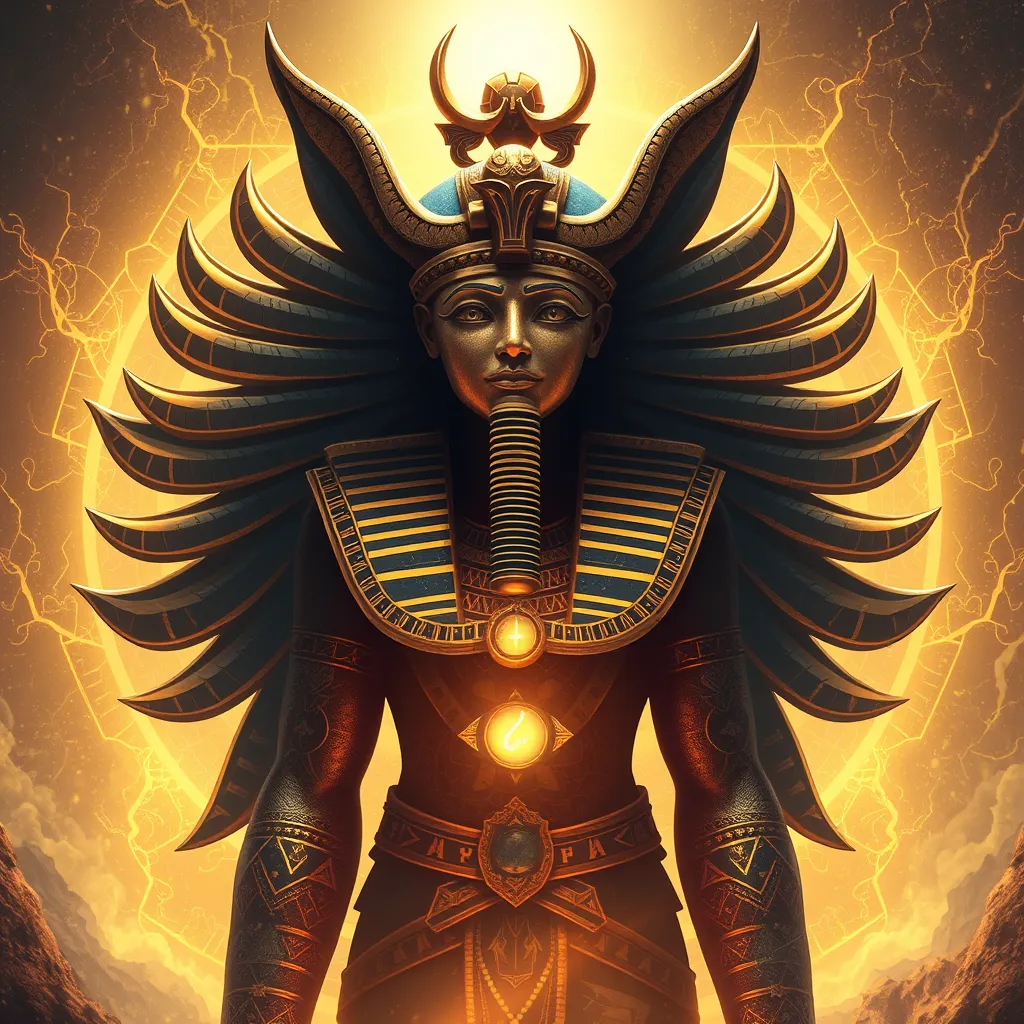
The Oracle of Osiris: Uncovering the Secrets of Rebirth
I. Introduction to the Oracle of Osiris
In ancient Egyptian mythology, Osiris holds a pivotal role as the god of the afterlife, the underworld, and rebirth. His story intertwines with themes of resurrection and eternal life, which were central to the beliefs of ancient Egyptians. The Oracle of Osiris served as a vital component in this rich tapestry of mythology, acting as a conduit between the divine and the mortal realms. This article aims to explore the significance of the Oracle of Osiris, its rituals, and its enduring legacy in both ancient and modern contexts.
II. The Mythology of Osiris
The mythology surrounding Osiris is one of the most compelling narratives in Egyptian culture, featuring a dynamic cast of deities. The story involves:
- Osiris: The god of the afterlife, who was killed by his brother Seth.
- Isis: Osiris’s devoted wife, who resurrected him through her magical powers.
- Seth: The god of chaos and disorder, who represents the destructive forces in nature.
This myth illustrates the themes of death and resurrection, with Osiris ultimately becoming the ruler of the afterlife. His transformation into the god of rebirth signifies hope and the belief in life after death, which heavily influenced Egyptian culture.
III. The Role of the Oracle in Ancient Egyptian Society
An oracle in ancient Egypt was a sacred site where priests communicated with the gods, offering divine guidance and prophecy. The Oracle of Osiris was particularly significant in:
- Religious Decisions: The oracle provided insights that guided religious practices and temple worship.
- Political Decisions: Pharaohs and leaders sought the oracle’s counsel to legitimize their rule and make important state decisions.
Notable oracles, such as the Oracle of Amun at Siwa, have left a lasting impact on our understanding of ancient Egyptian spirituality and governance.
IV. Rituals and Practices Associated with the Oracle of Osiris
The Oracle of Osiris was the center for numerous rituals and ceremonies aimed at invoking divine favor. Key rituals included:
- Consultation Rituals: Individuals seeking guidance would present offerings and pose questions to the oracle.
- Festivals: Annual festivals celebrated the resurrection of Osiris, involving processions, music, and dance.
Offerings and sacrifices were essential to these rituals, symbolizing respect and devotion to the gods. The role of priests and priestesses was crucial, as they were the intermediaries who interpreted the will of Osiris and performed the sacred rites.
V. The Symbolism of Rebirth in Osiris Worship
The concept of rebirth permeates the worship of Osiris, manifesting in various forms:
- The Cycle of Life: Egyptians believed in a continuous cycle of life, death, and renewal, epitomized by the seasonal flooding of the Nile.
- Art and Architecture: Temples and tombs often depicted scenes of Osiris’s resurrection, emphasizing the importance of the afterlife.
- Afterlife Beliefs: The belief in an eternal afterlife was a cornerstone of Osiris worship, influencing burial practices and the construction of elaborate tombs.
Osiris’s symbolism as the god of rebirth not only provided comfort to the living but also shaped the entire structure of ancient Egyptian spirituality.
VI. Archaeological Discoveries Related to the Oracle
Archaeological efforts have unearthed significant sites and artifacts linked to the Oracle of Osiris. Major discoveries include:
- Sites: The Temple of Osiris at Abydos, believed to be the burial place of Osiris himself, remains one of the most important archaeological locations.
- Artifacts: Statues, inscriptions, and ceremonial objects have provided insights into the rituals performed at the oracle.
- Recent Discoveries: Excavations continue to reveal new information about the practices associated with the oracle and the worship of Osiris, enhancing our understanding of ancient Egyptian culture.
VII. The Enduring Legacy of the Oracle of Osiris
The Oracle of Osiris has left an indelible mark on religious traditions throughout history:
- Influence on Later Traditions: Concepts of resurrection and the afterlife from Osiris’s mythology have influenced various religious beliefs, including Christianity.
- Modern Interpretations: The story of Osiris continues to inspire literature, art, and modern spiritual practices, often adapted to fit contemporary contexts.
- Contemporary Spirituality: The themes of rebirth and transformation resonate in today’s discussions on personal growth and spirituality.
VIII. Conclusion
In summary, the Oracle of Osiris serves as a fascinating lens through which we can explore ancient Egyptian beliefs concerning death, rebirth, and the divine. Its significance in guiding both religious and political realms underscores its importance in ancient society. Today, the lessons learned from the Oracle of Osiris continue to inspire those who seek understanding and connection with the concepts of rebirth and the afterlife. As we delve into ancient wisdom, we find that the stories of Osiris and his oracle remain relevant, inviting us to reflect on our own beliefs about life, death, and renewal.