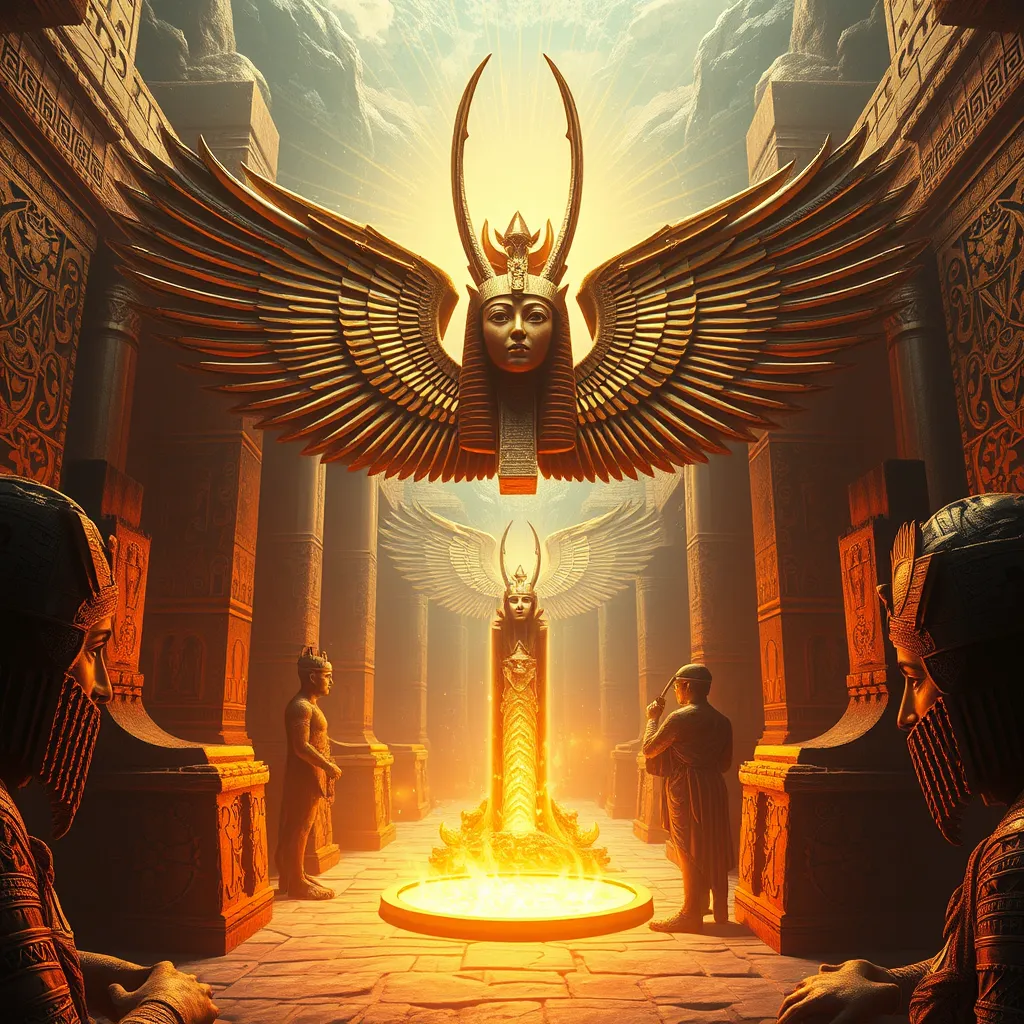
The Oracle of Nephthys: Unveiling the Secrets of the Underworld
I. Introduction
Nephthys, a significant deity in Ancient Egyptian mythology, embodies the essence of protection and mourning. As the sister of Isis and the wife of Set, her role extends deeply into the realms of life, death, and the afterlife. She is often depicted as a figure of comfort for the deceased and a guide to navigating the complexities of the underworld.
Oracles have played a crucial role in the spiritual and religious practices of various cultures, serving as intermediaries between the divine and humanity. In Ancient Egypt, they were vital for decision-making, prophecy, and understanding the will of the gods. This article aims to explore the Oracle of Nephthys, unveiling its connection to the underworld and the broader implications of her worship.
II. Historical Context of Nephthys
The origins of Nephthys trace back to the earliest Egyptian mythology, where she is recognized as a protective deity. Her name, which translates to “Lady of the House,” signifies her nurturing aspect, often associated with the home and family. Nephthys, alongside her siblings, played an essential role in the myth of Osiris, where she aided in the mourning and resurrection of her brother.
Within the Egyptian pantheon, Nephthys holds a vital position. She is frequently depicted in funerary art, emphasizing her role as a guardian of the dead. Her symbolism in funerary practices is profound, as she is believed to protect the souls during their journey through the afterlife.
III. The Concept of Oracles in Ancient Egypt
Oracles in Ancient Egypt were sacred sites or individuals through whom the gods communicated their will. These divine messages played a significant role in the governance and spiritual life of the Egyptians. They were consulted on various matters, ranging from personal dilemmas to state affairs.
In decision-making, oracles provided guidance that was believed to be divinely inspired. The interpretations of their messages were often seen as infallible, thus greatly influencing the actions of individuals and leaders alike. When comparing Nephthys to other Egyptian oracles, such as those associated with Amun or Isis, her focus on the afterlife and protection of the dead sets her apart as a unique oracle with specific functions.
IV. The Oracle of Nephthys: Rituals and Practices
The rituals associated with the Oracle of Nephthys were steeped in tradition and aimed at communicating with the divine. These rituals often involved:
- Prayers and invocations to invite Nephthys’ presence.
- Offerings of incense, flowers, and food to honor her.
- Recitations of sacred texts that spoke of her attributes and stories.
Offerings and ceremonies were significant in ensuring the oracle’s favor. Devotees believed that through these acts, they could receive guidance and protection. The tools and symbols used in the divination process included:
- Statues or amulets representing Nephthys.
- Hieroglyphs inscribed on papyrus, often containing prophetic messages.
- Sacred objects such as mirrors, which were believed to reflect the truth of the soul.
V. Interpretations and Messages from the Oracle
The messages delivered by the Oracle of Nephthys often revolved around themes of protection, guidance in mourning, and the journey of the soul. Common motifs included:
- The importance of honoring the dead.
- Messages of hope and reassurance for the living.
- Guidance for the deceased on their path to the afterlife.
Several notable case studies exist where individuals received prophetic guidance from the Oracle. These messages often had a profound impact on their lives, shaping their spiritual practices and societal roles. The influence of these messages extended into the broader context of ancient Egyptian society, reinforcing the cultural importance of death and the afterlife.
VI. Nephthys and the Underworld
The concept of the underworld, known as Duat in ancient Egyptian belief, is a complex realm that souls enter after death. Nephthys is intimately connected with this idea, acting as a guardian for souls navigating this mysterious landscape. She is often depicted as a protector who guides the deceased through various challenges in the Duat.
In many myths, Nephthys plays a crucial role in the resurrection of Osiris, symbolizing her guardianship over the dead. Her stories highlight her commitment to helping souls find peace and transition successfully into the afterlife, illustrating the deep bond between her and the concepts of life, death, and rebirth.
VII. Legacy and Influence of the Oracle of Nephthys
The legacy of the Oracle of Nephthys has had a lasting impact on Egyptian culture and spirituality. Her worship continued for centuries, influencing the practices of later generations. Nephthys has been reinterpreted in modern spiritual movements, where her themes of protection, mourning, and guidance resonate with contemporary seekers.
Today, many people explore the relevance of Nephthys in their spiritual practices, often finding comfort and wisdom in her stories. The revival of interest in ancient Egyptian deities has led to a renewed appreciation for her role and the messages delivered by her oracle.
VIII. Conclusion
In summary, the Oracle of Nephthys offers profound insights into the ancient Egyptian worldview, particularly regarding death and the afterlife. Understanding her significance helps us appreciate the complexities of ancient beliefs and their impact on society.
Reflecting on these ancient practices highlights the importance of spirituality throughout history and its connection to human experience. Nephthys remains a relevant figure today, reminding us of the need for guidance, protection, and understanding in our journeys through life and beyond.