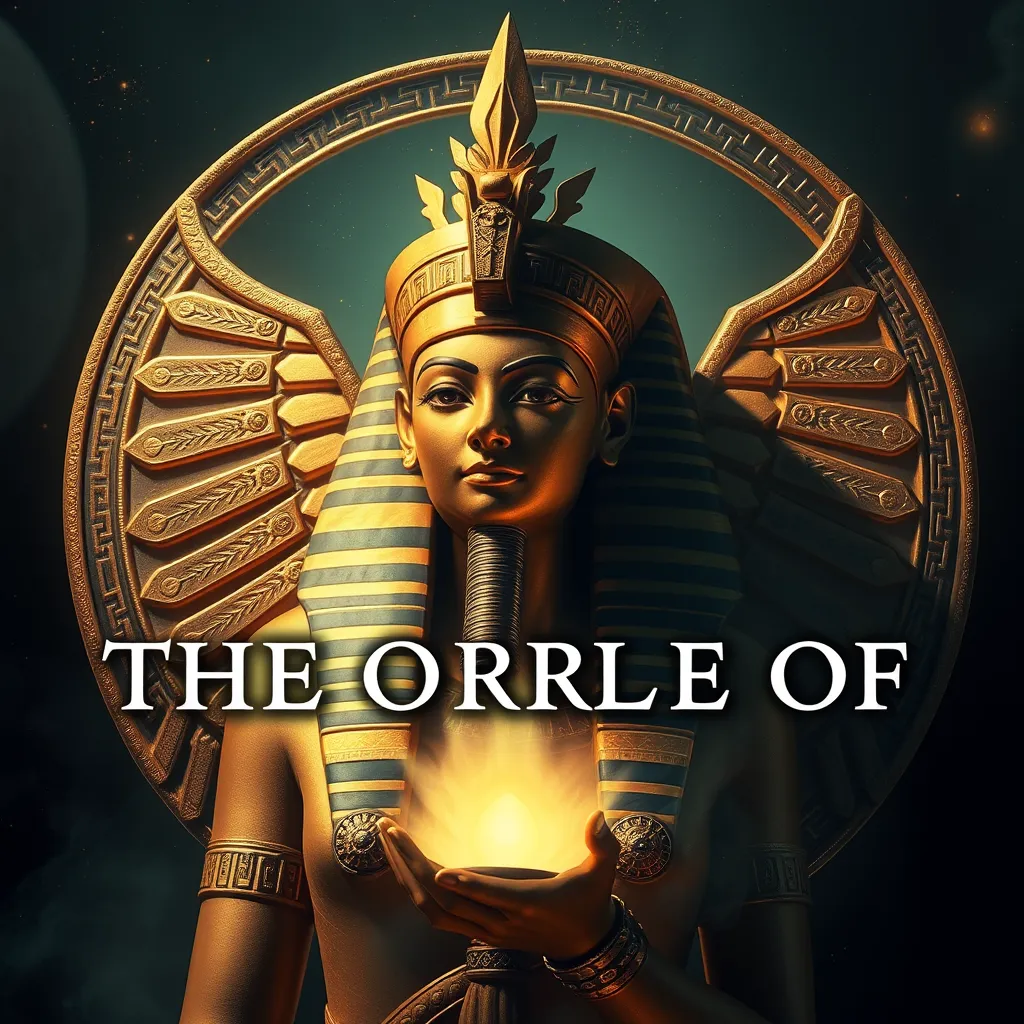
The Oracle of Isis: Uncovering the Secrets of the Goddess
I. Introduction
In the rich tapestry of ancient Egyptian mythology, few figures stand as prominently as Isis, the goddess of magic, motherhood, and fertility. Revered as a powerful deity, Isis not only played a crucial role in the pantheon of Egyptian gods but also served as a vital link between the divine and the mortal realms through her Oracle. The Oracle of Isis was a sacred institution that connected devotees to the goddess, offering guidance, wisdom, and prophetic insight. This article aims to explore the historical context of Isis worship, the concept of oracles in ancient Egypt, the role of priests and priestesses, and the lasting legacy of the Oracle of Isis in both ancient and modern times.
II. Historical Context of Isis Worship
A. Origins and evolution of Isis as a goddess
Isis’s origins can be traced back to the early dynastic periods of ancient Egypt, where she began as a local deity associated with the throne and motherhood. Over time, her significance grew, and she became one of the most important goddesses in the Egyptian pantheon, symbolizing fertility, healing, and protection.
B. The role of Isis in ancient Egyptian religion and society
As a central figure in religious practices, Isis was worshipped in temples across Egypt. She was often invoked in rituals concerning childbirth, the afterlife, and agricultural fertility. Her influence extended beyond religion, impacting art, literature, and daily life in ancient Egypt.
C. Key myths and stories surrounding Isis
Several key myths illustrate Isis’s character and attributes, including her devotion to her husband Osiris and her fierce protection of her son Horus. The story of her quest to resurrect Osiris after his murder by Set showcases her strength, intelligence, and magical prowess, solidifying her status as a beloved deity.
III. The Concept of the Oracle in Ancient Egypt
A. Definition and importance of oracles in Egyptian spirituality
An oracle in ancient Egypt served as a conduit for divine communication, where priests and priestesses interpreted messages from the gods. These spiritual guides were integral to the religious practices of the time, providing insight and direction to individuals and communities.
B. Comparison of the Oracle of Isis with other oracles in the ancient world
While many cultures had their own oracles, such as the Delphic Oracle in Greece, the Oracle of Isis was unique due to its focus on healing and protection. It provided answers to questions regarding personal and communal well-being, often emphasizing the importance of balance and harmony.
C. Methods and rituals associated with the Oracle of Isis
Rituals at the Oracle of Isis involved various methods, including:
- Divination techniques, such as casting lots or interpreting dreams.
- Offerings and sacrifices to gain favor from the goddess.
- Chants and prayers invoking Isis’s presence and wisdom.
IV. The Role of Priests and Priestesses
A. The function of priests and priestesses in the Oracle of Isis
Priests and priestesses were the primary intermediaries between the goddess and her devotees. They performed rituals, maintained the temple, and provided counsel based on the divine messages received from Isis.
B. Training and responsibilities of those serving the Oracle
Those chosen to serve the Oracle underwent extensive training, learning the sacred texts, rituals, and the art of divination. They were tasked with preserving the traditions and ensuring the accurate transmission of Isis’s messages.
C. Gender dynamics within the priesthood
Unlike many ancient religions, the worship of Isis allowed for significant participation of women in the priesthood. Priestesses held powerful roles, and their contributions were vital to the functioning of the Oracle.
V. The Oracle’s Influence on Daily Life
A. How the Oracle of Isis guided individuals and communities
The Oracle of Isis provided insights that influenced both personal and communal decisions. People would seek guidance on matters ranging from health to agricultural practices, believing that the goddess’s wisdom would lead them to a favorable outcome.
B. Examples of prophetic messages and their impact on society
Prophetic messages from the Oracle often carried significant weight, impacting political decisions, military campaigns, and agricultural cycles. For instance, a favorable prophecy could result in the initiation of a harvest festival, while an unfavorable one might lead to a period of fasting and reflection.
C. The intersection of the Oracle’s guidance with political and personal decisions
Leaders and common folk alike turned to the Oracle for direction. Rulers would often consult the Oracle before embarking on military campaigns or making treaties, believing that the goddess would guide their actions toward success.
VI. Artistic Representations and Symbolism
A. Iconography associated with Isis and her oracle
Isis is often depicted with symbols that represent her attributes, such as the throne headdress, which signifies her role as the mother of the pharaoh, and the ankh, symbolizing life. These icons reflect her nurturing and protective nature.
B. Analysis of artifacts and texts depicting the Oracle of Isis
Various artifacts, including statues and inscriptions, provide insight into the worship of Isis and the Oracle. Texts often recount the rituals performed and the messages received, showcasing the deep connection between the goddess and her followers.
C. The portrayal of Isis in art and literature throughout history
The portrayal of Isis has evolved over centuries, influencing art and literature well beyond ancient Egypt. From classical depictions in Greco-Roman art to modern interpretations in literature, her image continues to resonate with themes of motherhood, magic, and resilience.
VII. Modern Interpretations and Revivals
A. The resurgence of interest in Isis and her oracle in contemporary spirituality
In recent years, there has been a resurgence of interest in ancient Egyptian spirituality, with many seeking to connect with the wisdom of Isis. This revival reflects a broader trend of exploring ancient practices in modern spiritual contexts.
B. Neo-paganism and the worship of Isis today
Neo-pagan movements have embraced the worship of Isis, incorporating her teachings and rituals into contemporary practices. Groups often celebrate her through rituals that honor her attributes and seek her guidance.
C. Lessons from the Oracle of Isis for modern seekers
The Oracle of Isis teaches modern seekers the importance of intuition, reflection, and seeking guidance from the divine. Her messages emphasize balance, care for others, and the importance of community, resonating with contemporary spiritual practices.
VIII. Conclusion
A. Recap of the significance of the Oracle of Isis
The Oracle of Isis served as a vital bridge between the divine and the mortal, providing guidance and wisdom to countless devotees throughout ancient Egypt. Its influence permeated all aspects of life, from personal decisions to societal norms.
B. Reflection on the enduring legacy of Isis in modern culture
Isis’s legacy endures in modern culture, where her image continues to inspire art, literature, and spiritual practices. The goddess represents resilience, nurturing, and the quest for knowledge, appealing to those seeking connection and guidance.
C. Invitation for further exploration of Egyptian mythology and spirituality
As we reflect on the rich heritage of Isis and her Oracle, we invite readers to delve deeper into the fascinating world of Egyptian mythology and spirituality. The lessons from this ancient wisdom offer profound insights for navigating the complexities of modern life.