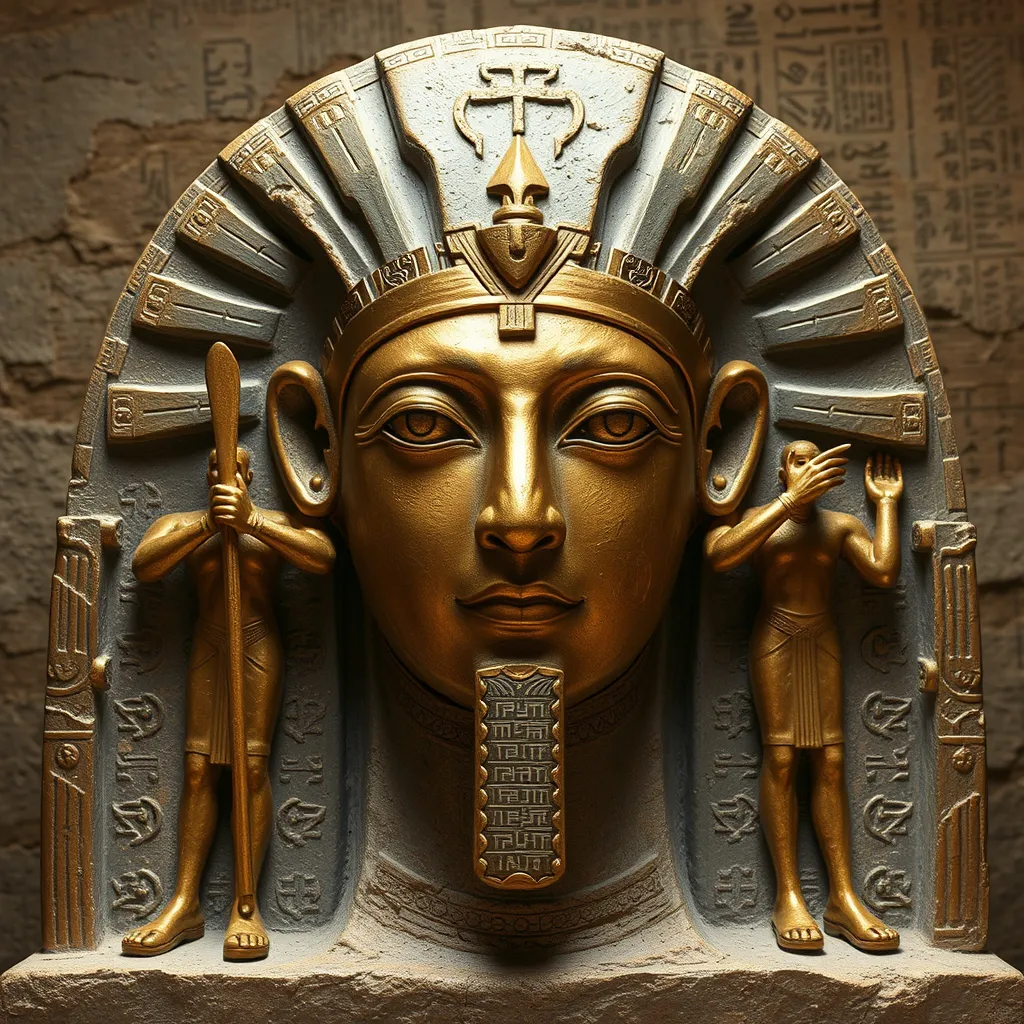
The Oracle of Amun: Predicting the Future in Ancient Egypt
I. Introduction
The Oracle of Amun, one of the most revered and influential divinatory practices in ancient Egypt, served as a vital link between the divine and mortal realms. This oracle, located in the Temple of Amun at Karnak, was not just a tool for prediction but a significant institution that played a crucial role in guiding the decisions of both individuals and the state.
Oracles held a prominent place in many ancient cultures, acting as intermediaries between humans and the divine. They were often consulted for guidance on matters ranging from personal dilemmas to state affairs, reflecting the deep-seated belief in a higher power’s influence over earthly events. This article aims to explore the historical context, significance, methods, and legacy of the Oracle of Amun, shedding light on its role in ancient Egyptian society.
II. Historical Context of Ancient Egypt
Ancient Egypt, with its rich tapestry of history spanning over three millennia, was characterized by monumental architecture, a complex pantheon of gods, and a highly stratified society. The civilization flourished along the banks of the Nile River, benefiting from the fertile land that supported agriculture and trade.
Religion and spirituality were integral to everyday life in ancient Egypt. The Egyptians believed in numerous deities who governed various aspects of life and the afterlife. Temples served as centers of worship and as places where priests conducted rituals to appease the gods and secure their favor.
Oracles, especially the Oracle of Amun, held great importance in this religious framework. They were perceived as channels through which divine messages could be interpreted, guiding individuals and leaders in their decision-making.
III. The Location and Significance of the Oracle of Amun
The Oracle of Amun was located within the magnificent Temple of Amun at Karnak, one of the largest religious complexes in the world. The temple itself, dedicated to the god Amun, featured grand halls, towering obelisks, and intricate hieroglyphics that narrated the stories of pharaohs and gods.
This site was historically significant as it became a powerful religious and political center during the New Kingdom period (c. 1550-1070 BCE). The Oracle’s presence within this complex reinforced its authority and the belief that Amun directly communicated with the pharaohs and the people through divine revelations.
The Oracle’s role was multifaceted, serving not only as a source of prophecy but also as a political tool that influenced state affairs and upheld the social order.
IV. Methods of Divination Used by the Oracle
The Oracle of Amun employed various methods of divination, each steeped in ritual and tradition. Key techniques included:
- Rituals and Ceremonies: Elaborate rituals were conducted to invoke the presence of Amun. These involved offerings, prayers, and sometimes the use of sacred animals.
- Dream Interpretation: Dreams were considered a potent means of receiving messages from the divine. Priests would interpret these dreams to provide guidance.
- Symbolic Reading: The priests often analyzed symbols, signs, and omens that were believed to be manifestations of divine will.
Priests and priestesses played a crucial role in these practices. They were highly trained in the spiritual and interpretative arts, tasked with conveying the oracular messages to those who sought guidance.
V. Famous Predictions and Their Impact
The Oracle of Amun is credited with several notable predictions throughout ancient Egyptian history. These prophecies often had profound impacts on rulers and society as a whole:
- Predictions of Military Success: Pharaohs frequently consulted the Oracle before embarking on military campaigns, seeking assurances of victory.
- Political Decisions: The Oracle’s counsel was sought in matters of succession, alliances, and treaties, shaping the political landscape of the time.
One famous case involved Pharaoh Ramses II, who reportedly received guidance from the Oracle before engaging in the Battle of Kadesh. The oracular predictions not only affirmed his decisions but also served to legitimize his rule and reinforce his divine right to lead.
VI. The Oracle’s Relationship with Pharaohs
The dynamic between the Oracle of Amun and the pharaohs was complex and deeply intertwined. Pharaohs viewed the Oracle as a source of divine wisdom, often seeking its guidance in critical moments of their reigns.
Pharaohs would visit the Oracle to confirm their plans or obtain blessings for their actions. This relationship allowed the Oracle to play a significant role in legitimizing the pharaoh’s power, as the Oracle’s approval was seen as a sign of divine favor.
Moreover, the Oracle’s influence extended beyond individual rulers; it shaped the policies and collective decisions of the state, ensuring that the governance aligned with the will of the gods.
VII. Decline of the Oracle and Its Legacy
The Oracle of Amun began to decline during the late period of ancient Egypt. Several factors contributed to this decline:
- Foreign Invasions: The arrival of foreign powers, such as the Persians and later the Greeks, disrupted the traditional religious practices.
- Religious Transformation: The rise of new religions and philosophies, including the spread of Christianity, led to a diminished role for traditional oracles.
Despite its decline, the legacy of the Oracle of Amun endures. It has influenced modern interpretations of divination and continues to intrigue scholars and enthusiasts of ancient history.
VIII. Conclusion
In summary, the Oracle of Amun was a vital institution in ancient Egypt, intricately linked to the religious, political, and social fabric of the civilization. It provided a means for individuals and leaders to seek divine guidance, shaping decisions that impacted the course of history.
The significance of the Oracle extends beyond its historical context, offering insights into the role of belief and spirituality in human society. As we reflect on the relevance of oracles today, we see that the quest for understanding the future and seeking guidance from higher powers remains a universal human experience.