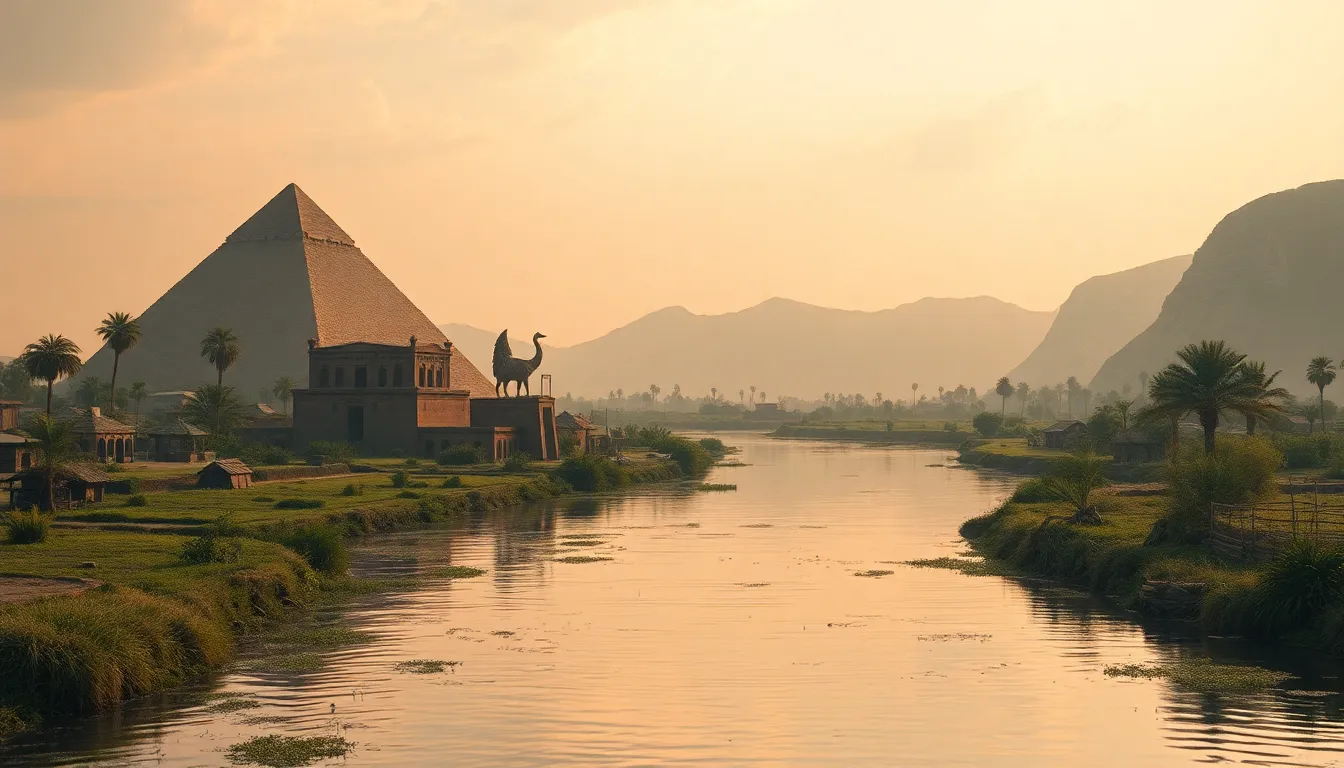
The Nile’s Role in the Lives of Egyptian Farmers
I. Introduction
The Nile River, often referred to as the lifeblood of Egypt, has played a crucial role in shaping the agricultural landscape of the country for millennia. Its waters have nurtured the land, fostering a rich tradition of farming that is essential not only to ancient Egyptians but also to modern society. Agriculture remains a cornerstone of Egypt’s economy, providing sustenance and livelihood for millions. This article explores the multifaceted relationship between the Nile and Egyptian farmers, highlighting historical practices, economic impacts, cultural significance, and modern challenges.
II. Historical Context of Agriculture Along the Nile
Farming in ancient Egypt was intrinsically linked to the Nile River. The annual flooding of the river, known as the inundation, was a natural phenomenon that replenished the soil with nutrient-rich silt, creating ideal conditions for agriculture. This seasonal flooding, which occurred between June and September, was anticipated eagerly by farmers, as it dictated the agricultural calendar.
Over the centuries, Egyptians developed sophisticated irrigation techniques to manage water resources effectively. Canals, basins, and shadufs (a hand-operated device for lifting water) were employed to optimize water distribution across fields. These innovations allowed for increased agricultural output and supported the growth of one of the earliest civilizations in human history.
III. The Nile’s Influence on Crop Selection
The Nile’s influence extends to the types of crops cultivated along its banks. Some of the most common crops grown include:
- Wheat: A staple food that formed the basis of the ancient Egyptian diet.
- Barley: Used for food and brewing beer, a significant part of the culture.
- Flax: Cultivated for its fibers, which were essential for making linen, a crucial textile in ancient Egypt.
The agricultural cycles of planting and harvesting were closely tied to the Nile’s flooding patterns. Farmers would plant their crops after the waters receded, ensuring that the soil was rich and fertile. This symbiotic relationship between the river and agriculture led to a diverse ecosystem, supporting a variety of crops and promoting biodiversity.
IV. Economic Impact of the Nile on Farmers
The economic significance of the Nile for farmers is profound. It has historically contributed to both local and national economies, enabling trade and commerce to flourish. Key points include:
- Trade Routes: The Nile served as a vital transportation route, allowing farmers to trade their goods with merchants and other regions.
- Employment: Agriculture provided employment for a significant portion of the population, supporting families and communities.
- Modern Challenges: Today, farmers face economic pressures from climate change, population growth, and water scarcity, which threaten their livelihoods.
V. Cultural Significance of the Nile to Farmers
The Nile is not only an economic resource but also a cultural symbol deeply rooted in Egyptian mythology and folklore. Its significance is reflected in various aspects:
- Mythology: The Nile was personified by the goddess Hapi, who represented fertility and abundance.
- Festivals: Farmers celebrated the inundation through rituals and festivals, expressing gratitude for the river’s blessings.
- Art and Literature: The Nile has inspired countless works of art, poetry, and literature, illustrating its enduring presence in Egyptian culture.
VI. Environmental Challenges and Adaptations
As the world faces climate change, the Nile and its surrounding agricultural practices are under threat. Key environmental challenges include:
- Climate Change: Alterations in rainfall patterns and rising temperatures affect the Nile’s flow and agricultural productivity.
- Water Management: Farmers have adopted various water management practices, including drip irrigation and crop rotation, to mitigate the impact of water scarcity.
- Government Support: Policies aimed at supporting sustainable agriculture are crucial for the future of farming along the Nile, promoting resilience against environmental shifts.
VII. Modern Farming Practices Along the Nile
Today, farmers along the Nile are increasingly integrating technological advancements with traditional practices. Notable developments include:
- Irrigation Technologies: Modern irrigation systems help optimize water usage, ensuring crops receive adequate moisture.
- Case Studies: Successful farmers in the Nile region showcase innovative practices, such as hydroponics and organic farming.
- Tradition Meets Modernity: The blending of traditional farming methods with contemporary techniques is enhancing productivity and sustainability.
VIII. Conclusion
The Nile River remains a vital force in the lives of Egyptian farmers, influencing agriculture, economy, culture, and identity. As challenges mount due to environmental shifts and economic pressures, the resilience and adaptability of farmers are more critical than ever. The future of agriculture along the Nile depends on sustainable practices, governmental support, and a collective effort to preserve this essential resource. It is imperative to recognize the Nile’s multifaceted role and ensure that farmers can continue to thrive, safeguarding their livelihoods and the rich agricultural heritage of Egypt.