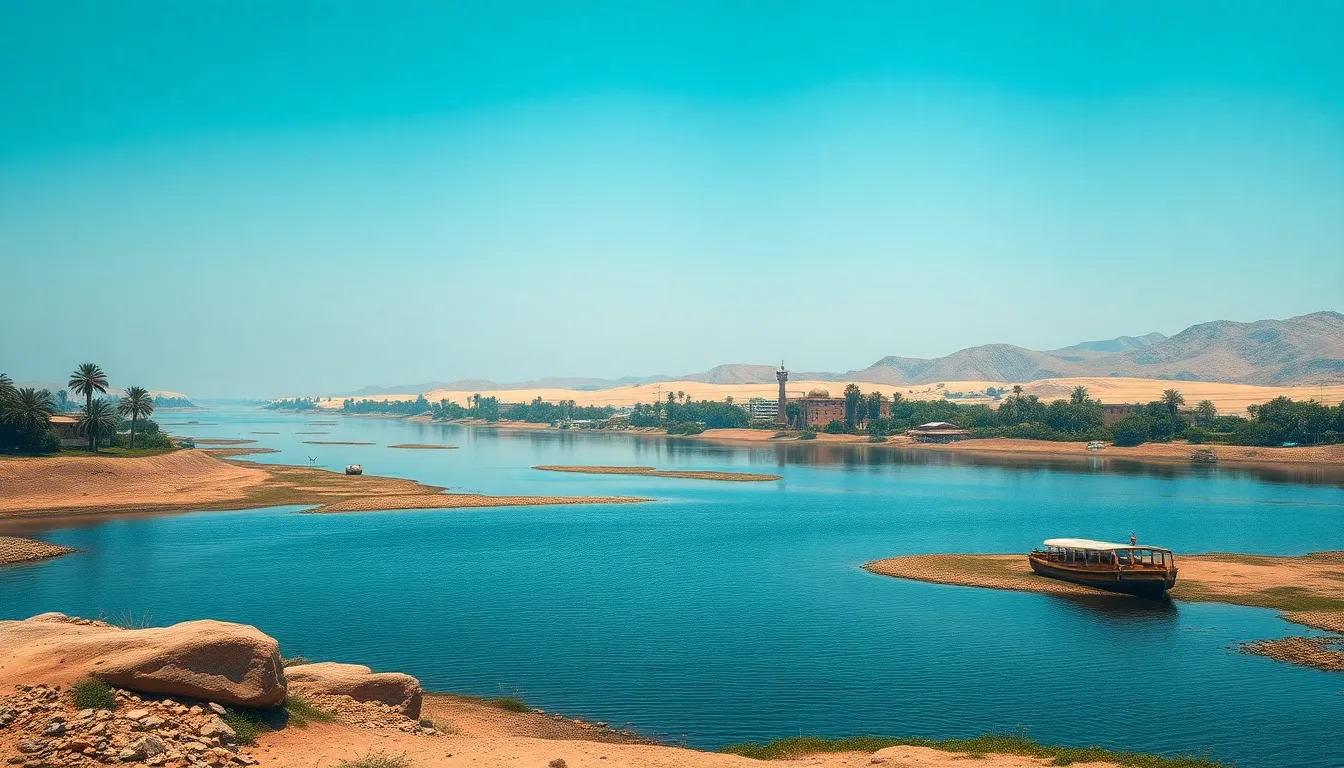
The Nile: A River of Myths and Mysteries
I. Introduction
The Nile River, often regarded as the lifeblood of Egypt, has been a source of sustenance, spirituality, and inspiration for millennia. Stretching approximately 6,650 kilometers, it is one of the longest rivers in the world, winding its way through eleven countries before emptying into the Mediterranean Sea. Its banks are a treasure trove of history, culture, and mythology, making it a vital element in the tapestry of ancient Egyptian civilization.
II. Historical Significance of the Nile
The Nile was indispensable to the development of ancient Egyptian civilization. Its annual floods deposited nutrient-rich silt along the banks, creating fertile land that allowed agriculture to flourish. This agricultural bounty supported the growth of cities and trade routes, establishing Egypt as a powerful kingdom in antiquity.
- Agriculture: The Nile’s flooding cycle was predictable, allowing farmers to plan their planting and harvesting. Crops such as wheat and barley became staples of the diet.
- Trade: The river served as a major transportation route, facilitating trade between upper and lower Egypt, as well as with neighboring regions.
- Settlement Patterns: Most of Egypt’s population settled along the Nile, with the vast desert surrounding it acting as a natural barrier.
III. Mythological Connections to the Nile
The Nile River is deeply woven into the fabric of ancient Egyptian mythology. It was not merely a physical entity but a divine presence that played a crucial role in the beliefs and stories of the Egyptians.
- Hapi: The god of the annual flooding of the Nile, Hapi was revered as a provider of fertility and abundance. He was often depicted with a potbelly, symbolizing abundance, and was celebrated during festivals that honored the inundation.
- Osiris: Associated with the afterlife and resurrection, Osiris was believed to be connected to the Nile’s cycles. His myth involved the flooding of the Nile being seen as a reflection of his death and resurrection.
Many legends surround the origins of the Nile. One such story describes how the river was born from the tears of the goddess Isis, mourning for her slain husband Osiris. This myth underscores the river’s importance as a source of life and renewal.
IV. The Nile’s Mysteries: Unexplained Phenomena
The Nile is also known for its unusual natural occurrences and unexplained phenomena that have puzzled both ancient and modern observers.
- Blood Rain: Occasionally, the Nile experiences rain that appears red, leading to myths of bloodshed or divine displeasure.
- Sudden Floods: Historical accounts describe sudden and unexpected floods that devastated settlements, leading to legends of vengeful gods.
Such phenomena contributed to the mystique of the Nile, reinforcing its status as a powerful and enigmatic force in the lives of those who depended on it.
V. The Nile’s Ecosystem and Biodiversity
The Nile supports a diverse range of flora and fauna, making it an ecological hotspot. The river is home to various species, including:
- Fish: Species such as tilapia and catfish are vital for local diets and economies.
- Birds: The Nile attracts numerous migratory birds, making it a crucial habitat for ornithologists and birdwatchers.
- Plants: Papyrus reeds, once used for making paper, flourish along the river’s banks.
This biodiversity plays a critical role in supporting the livelihoods of local communities, who rely on the river for fishing, agriculture, and water supply.
VI. Modern Challenges Facing the Nile
Despite its historical significance, the Nile faces numerous challenges today, which threaten its health and the communities that depend on it.
- Pollution: Industrial waste and agricultural runoff have contaminated the river, impacting both ecosystems and human health.
- Climate Change: Altered weather patterns affect the Nile’s water levels, threatening agriculture and water supply.
- Political Tensions: Disputes over water rights among Nile Basin countries have escalated, particularly with the construction of dams that affect flow and access.
VII. The Nile in Contemporary Culture
The Nile continues to inspire modern culture, appearing in various forms of literature, art, and film. Its representation often evokes themes of mystery, beauty, and the ancient world.
- Literature: Writers often depict the Nile as a symbol of life, death, and the passage of time.
- Art: Artists have drawn inspiration from the river’s landscapes and the myths surrounding it, illustrating its enduring allure.
- Tourism: The river attracts millions of tourists each year, drawn by its historical significance and natural beauty. This influx of visitors brings both economic benefits and challenges related to preservation.
VIII. Conclusion
The Nile River stands as a testament to the enduring legacy of ancient Egyptian civilization. Its myths and mysteries not only shaped the cultures of the past but continue to resonate in contemporary society. As we navigate modern challenges, it is crucial to remember the importance of preserving the Nile and its stories for future generations, ensuring this lifeline remains a source of inspiration and sustenance.