The Myths of Ammit: A Study of Fear and Morality
I. Introduction
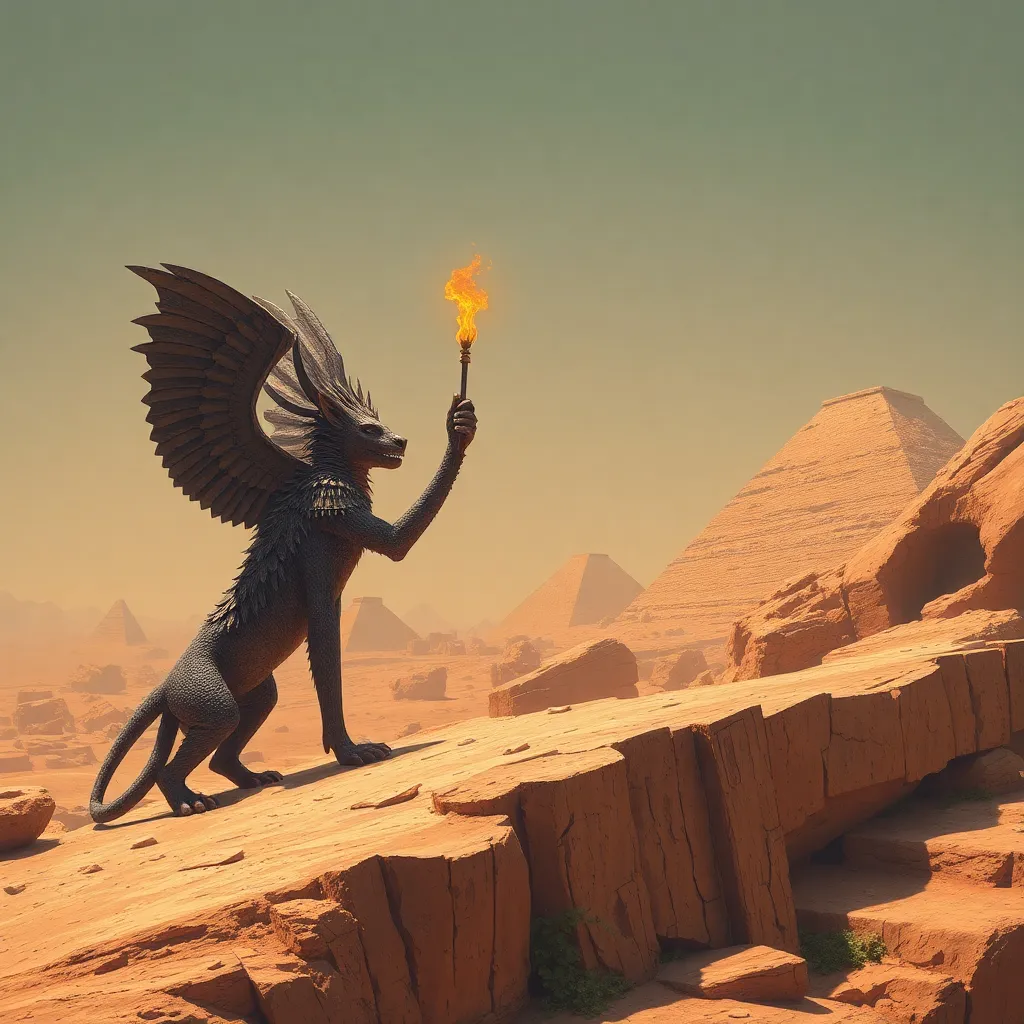
In Ancient Egyptian mythology, Ammit is a formidable figure associated with the afterlife and the concept of moral judgment. Often depicted as a hybrid creature with the head of a lion, the body of a hippopotamus, and the hindquarters of a crocodile, Ammit embodies the fears of the ancient Egyptians regarding death and the afterlife.
Fear and morality are central themes in many mythological narratives, shaping the behaviors and beliefs of societies throughout history. Myths serve as a reflection of the values and fears of a culture, and Ammit is no exception. This article aims to explore the origins, symbolism, and cultural impact of Ammit, highlighting her role in Ancient Egyptian beliefs and the broader implications of her myth.
II. The Origins of Ammit
A. Historical context of Ancient Egyptian beliefs
The beliefs of Ancient Egyptians were deeply intertwined with their understanding of life, death, and the afterlife. They held a complex view of existence, where the soul underwent a judgment process after death. This belief system was rooted in the notion of Ma’at, representing truth, balance, and order, which was essential for a harmonious society.
B. Ammit’s role in the afterlife and judgment
Ammit played a crucial role in the judgment of souls. According to the ancient texts, the deceased would face the Weighing of the Heart ceremony, where their heart was weighed against the feather of Ma’at. If the heart was found to be lighter than the feather, the soul would be granted passage to the afterlife. However, if it was heavier due to the weight of sins, Ammit would devour the heart, condemning the soul to eternal oblivion.
C. Symbolism of Ammit in Egyptian culture
Ammit symbolizes the consequences of one’s actions and the moral weight of choices made during life. Her fearsome appearance and role in judgment serve as a deterrent, encouraging individuals to live justly and honorably. In this way, Ammit embodies the concept of accountability, a vital aspect of Ancient Egyptian moral philosophy.
III. The Anatomy of Ammit: A Symbol of Fear
A. Description of Ammit’s physical characteristics
Ammit is often depicted as a composite creature: the front part resembling a lion, the middle a hippopotamus, and the rear a crocodile. This unique anatomy not only makes her visually striking but also imbues her with characteristics associated with each animal—strength, ferocity, and cunning.
B. The psychological implications of her appearance
The terrifying nature of Ammit’s appearance is designed to evoke fear. Her form symbolizes the dangers of moral failure and the ultimate consequence of a life lived in discord with Ma’at. This psychological aspect is significant; fear can be a powerful motivator for ethical behavior.
C. The representation of fear in ancient narratives
Ammit is a central figure in narratives that address the fears surrounding death and the afterlife. Her presence in these stories serves to amplify the stakes involved in moral decisions, reinforcing the idea that one’s actions have lasting consequences beyond life.
IV. The Weighing of the Heart: The Concept of Morality
A. Overview of the Weighing of the Heart ceremony
The Weighing of the Heart ceremony is one of the most iconic rituals in Ancient Egyptian mythology. It involved the deceased’s heart being placed on one side of a scale, while the feather of Ma’at was placed on the other. This act was performed in the Hall of Two Truths before Osiris, the god of the afterlife.
B. The significance of the heart in moral judgment
The heart was considered the seat of intelligence and emotion in Ancient Egyptian belief. Its weight was believed to reflect the moral integrity of the individual. A heavy heart indicated a life filled with wrongdoing, while a light heart suggested a virtuous life.
C. Ammit’s role in determining the fate of souls
If the heart was heavier than the feather, Ammit would devour the heart, ensuring that the soul would not continue to exist. This act of devouring was not merely punishment but a form of cleansing, preventing the negative influence of unworthy souls from affecting the afterlife.
V. Myths Surrounding Ammit
A. Common myths and misconceptions about Ammit
Many misconceptions surround Ammit, including the belief that she is solely a figure of evil. In reality, she serves a necessary function in the cosmic order, ensuring that only the righteous enter the afterlife.
B. Interpretation of Ammit’s actions in various texts
Different texts portray Ammit in varying lights, sometimes emphasizing her fearsome qualities, while other narratives highlight her role as a guardian of moral integrity. This duality reflects the complexity of morality itself.
C. The evolution of Ammit’s portrayal over time
Over the centuries, Ammit’s depiction has evolved. While she started as a fearsome creature, later interpretations have explored her more nuanced aspects, including the idea of redemption and the potential for moral growth.
VI. Cultural Impact and Legacy of Ammit
A. Ammit in modern literature and media
Ammit’s image has permeated modern culture, appearing in literature, films, and video games. Her character often embodies themes of judgment and consequence, resonating with contemporary audiences.
B. The relevance of Ammit’s myth in contemporary discussions of morality
In today’s society, discussions about morality and accountability are more relevant than ever. Ammit’s myth serves as a reminder of the importance of ethical living and the consequences of our actions, making her a timeless figure.
C. The interplay between fear and morality in modern society
Just as Ammit represents the fear of moral failure, modern society grapples with similar fears regarding justice and ethical behavior. The fear of repercussions often guides individuals in making moral choices, much like the ancient Egyptians.
VII. Comparative Analysis: Ammit and Other Mythical Creatures
A. Similarities and differences with other mythological figures (e.g., Cerberus, Fenrir)
- Cerberus: The three-headed dog guarding the gates of the Underworld in Greek mythology shares similarities with Ammit as a guardian of the afterlife.
- Fenrir: In Norse mythology, Fenrir represents chaos and destruction, contrasting with Ammit’s role in maintaining moral order.
B. The role of fear and morality in different cultures
Many cultures feature figures that instill fear to uphold moral standards. This commonality suggests a universal understanding of the importance of fear in shaping ethical behavior across civilizations.
C. Lessons learned from cross-cultural comparisons
By comparing Ammit with other mythological creatures, we can see how different cultures utilize fear and morality to convey moral lessons, highlighting the shared human experience of grappling with ethical dilemmas.
VIII. Conclusion
A. Summary of key points discussed
Ammit is a complex figure in Ancient Egyptian mythology, embodying the intricate relationship between fear and morality. Through her role in the Weighing of the Heart ceremony, she serves as a powerful reminder of the consequences of one’s actions.
B. The enduring significance of Ammit in understanding human fears and moral dilemmas
Her myth continues to resonate today, offering insights into the timeless nature of moral judgment and the fear of consequences.
C. Final thoughts on the role of mythology in shaping moral frameworks
Ultimately, mythology serves as a lens through which we can examine our values, fears, and moral choices. Ammit’s story is a poignant example of how ancient narratives can inform contemporary discussions about ethics and accountability.