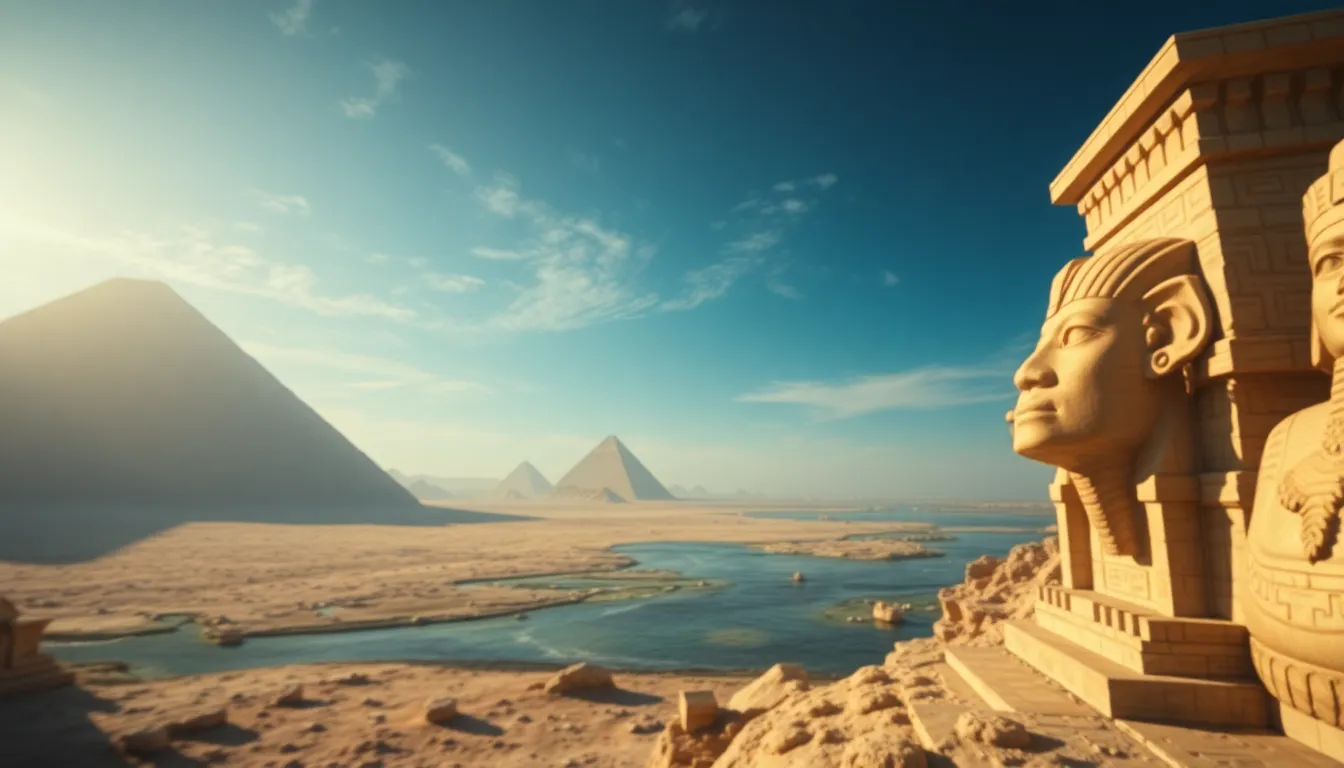
The Myths Behind Egypt’s Nomes: A Cultural Odyssey
I. Introduction to Egypt’s Nomes
In ancient Egypt, the term “nome” referred to the various administrative regions that structured the country’s political and cultural landscape. Each nome acted as a microcosm of Egypt itself, encapsulating local traditions, deities, and practices. The significance of nomes extended beyond mere geography; they were vital in fostering a unique cultural identity that reflected the diverse beliefs and lifestyles of the Egyptian people.
This article explores the historical, mythological, and cultural dimensions of Egypt’s nomes, revealing how they shaped the identity of ancient Egyptians and continue to influence modern Egyptian culture.
II. Historical Context of Nomes in Ancient Egypt
The establishment of nomes dates back to the early dynastic period, around 3100 BCE. Initially, these regions were formed for administrative convenience, allowing the pharaohs to govern more effectively. Each nome was overseen by a nomarch, a local governor responsible for maintaining order, collecting taxes, and upholding the law.
Throughout history, there were 42 nomes in Egypt, divided between Upper and Lower Egypt. Each nome had its own capital city, deity, and patron, providing a sense of local identity and pride. Some notable nomes included:
- Heliopolis (Iunu) – Nome of the Sun
- Thebes (Waset) – Nome of the South
- Memphis (Ineb-hedj) – Nome of the White Walls
III. Mythological Foundations of Nomes
Nomes were deeply intertwined with Egyptian mythology, often personified by specific deities who were believed to protect and govern each region. The connection between nomes and their respective gods is crucial for understanding the religious fabric of ancient Egypt.
Key myths associated with specific nomes include:
- Heliopolis: The myth of Atum, the creator god, emerging from the primordial waters of Nun.
- Thebes: The worship of Amun, who was considered the king of the gods and linked to the political power of the pharaohs.
- Memphis: The tale of Ptah, the god of craftsmen and architects, who was believed to have created the world through thought and speech.
The symbolism of these myths is reflected in the local rituals and practices that were held to honor these deities, reinforcing the cultural significance of nomes.
IV. The Role of Nomes in Egyptian Cosmology
Nomes served as a microcosm of the Egyptian universe, reflecting their cosmological beliefs. Each nome was seen as a distinct piece of the larger cosmic order, contributing to the balance of the world.
The relationship between nomes and the Nile River was particularly pertinent. The Nile was considered the lifeblood of Egypt, and each nome was defined by its proximity to this vital resource. The river’s annual flooding provided fertile soil, which was essential for agriculture, thus linking the nomes to the sustenance of life.
In terms of afterlife beliefs, nomes played a significant role. They were often associated with the journey of the deceased, where local customs dictated how individuals would transition into the afterlife. The concept of maat, or cosmic order, was upheld through the rituals performed in these regions, emphasizing the importance of nomes in maintaining balance in both life and death.
V. The Cultural Practices and Traditions of Nomes
Each nome had its own unique festivals and rituals, often dedicated to their patron deities. These celebrations were not only religious but also served to reinforce community bonds and cultural identity.
Some notable festivals included:
- Wepet-Renpet – The New Year festival celebrated in many nomes, marking the inundation of the Nile.
- The Opet Festival in Thebes, honoring Amun and symbolizing the renewal of kingship.
- Various agricultural festivals that celebrated harvests and fertility, specific to local customs.
The local customs often had mythological origins, intertwining daily life with the divine. This cultural tapestry influenced regional art and architecture, where temples, statues, and murals depicted the gods and narratives specific to each nome.
VI. The Evolution of Nomes Through Time
As Egypt transitioned through various political landscapes, the significance of nomes evolved. During the Old Kingdom, nomes were essential for local governance. However, with the rise of centralized power during the Middle and New Kingdoms, the administrative importance of nomes began to decline.
The decline of nomes was marked by the consolidation of power under the pharaohs, who sought to unify the country under a central authority. Despite this shift, the legacy of nomes persisted, influencing regional identities and local governance.
In modern Egyptian culture, traces of the ancient nomes can still be seen in local customs and beliefs, showcasing the enduring impact of this ancient administrative structure.
VII. Debunking Common Myths About Nomes
Many misconceptions surround the significance of nomes in ancient Egypt. One prevalent myth is that nomes were merely administrative divisions without cultural significance. In reality, nomes were vital to the local identity, religious practices, and agricultural cycles.
Additionally, the relationship between nomes and modern Egypt is often misunderstood. While nomes have largely disappeared, their cultural and historical legacies continue to shape contemporary Egyptian society. Understanding this relationship is crucial for accurate historical interpretation and appreciation of Egypt’s rich heritage.
VIII. Conclusion: The Lasting Impact of Nomes on Egyptian Identity
The cultural odyssey of Egypt’s nomes reflects a complex interplay of geography, mythology, and social organization that has shaped the identity of the Egyptian people for millennia. While the political significance of nomes may have diminished, their cultural impact remains evident in Egypt today.
As modern Egypt continues to navigate its identity, the stories and traditions rooted in the ancient nomes serve as a reminder of the rich tapestry of history that defines the nation. Preserving and understanding this heritage is vital for appreciating the depth of Egyptian culture and its enduring legacy.