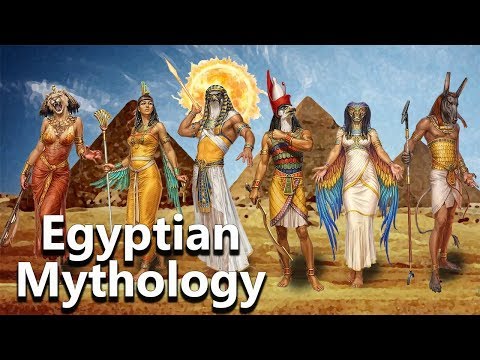
The Mythology of Nomes: Tales of Gods and Their Territories
I. Introduction to Nomes
The concept of nomes in ancient Egyptian culture refers to the various administrative divisions of the country, each governed by its own local deity. These territories were not just geographical units but held significant cultural, political, and religious importance. The term ‘nome’ itself is derived from the Greek word ‘nomos,’ meaning district or division.
Nomes were historically significant as they shaped the political landscape of ancient Egypt, influencing trade routes, resource distribution, and local governance. The geographic distribution of nomes varied from Upper Egypt, with its 22 nomes, to Lower Egypt, which had 20, each associated with a unique set of deities and local myths.
Each nome had its own patron god, often linked to local myths and agricultural practices, illustrating how closely intertwined religion and daily life were in ancient Egyptian society. This article delves into the rich tapestry of mythology surrounding these nomes and their deities.
II. The Structure of Nomes in Ancient Egypt
The geographic layout of nomes was essential for understanding the administrative functions of ancient Egypt. Each nome acted as a district, with a centralized city that served as the political and religious hub. The nomes were typically organized along the Nile River, which provided fertile land for agriculture and facilitated trade.
The importance of nomes extended beyond mere governance; they were integral to the local religious practices. Each nome had its own local festivals, rituals, and deities that reflected the beliefs and customs of the inhabitants.
Nomarchs, the rulers of the nomes, played a crucial role in both governance and religious life. These officials were responsible for administering justice, collecting taxes, and overseeing temple activities, thereby wielding significant influence over their territories.
III. Key Deities of the Nomes
Each nome was associated with particular gods who symbolized the natural elements and the agricultural cycles of the region. Here are some key deities associated with various nomes:
- Horus: The sky god, often associated with the nome of Edfu.
- Osiris: The god of the afterlife, closely linked with the nome of Busiris.
- Set: The god of chaos, associated with the nome of Ombos.
- Thoth: The god of wisdom, linked with the nome of Hermopolis.
Regional variations in deity worship were common, with local myths often reflecting the specific characteristics and needs of the communities. For instance, the myth of Osiris is central to the nome of Busiris, where he was worshipped as a fertility deity, symbolizing the annual flooding of the Nile that nourished the land.
IV. Creation Myths and the Establishment of Nomes
Creation myths played a vital role in the establishment of nomes, providing theological narratives that explained the origins of these territories. The ancient Egyptians believed that the world was created from the primordial waters of Nun, and from this chaos emerged the first land, often associated with the nome of Heliopolis.
These creation myths often delineated the boundaries of the nomes, attributing each region’s unique characteristics to the actions of specific deities. For example, the god Geb, representing the earth, was thought to have shaped the land and laid the foundations for the nomes.
The interaction between deities and the land is a recurring theme in these myths, illustrating how the physical landscape was imbued with sacred significance.
V. Sacred Sites and Temples of the Nomes
Each nome featured important temples dedicated to its patron gods. These sacred sites were the focal points of worship and played a significant role in the religious life of their respective communities. Some notable temples include:
- The Temple of Horus: Located in Edfu, it is one of the best-preserved temples in Egypt.
- The Temple of Osiris: Found in Busiris, it was a major center for the worship of Osiris.
- The Temple of Thoth: Situated in Hermopolis, this temple was dedicated to the god of wisdom.
Rituals and festivals unique to each nome celebrated the gods and their narratives, fostering community identity and cohesion. Archaeological findings, such as inscriptions and artifacts, provide insights into the religious practices and significance of these temples in ancient society.
VI. Interactions Between Nomes: Conflict and Cooperation
The historical accounts of territorial disputes among nomes reveal a complex web of relationships. Conflicts often arose over resources, trade routes, and political power. However, cooperation was also common, with alliances formed through shared worship and trade.
Mythological narratives often reflect these interactions, portraying the relationships between various deities and their respective nomes. For example, stories of Horus battling Set represent not only mythological struggles but also the historical tensions between Upper and Lower Egypt.
VII. Legacy of Nomes in Modern Culture
The influence of ancient Egyptian mythology, particularly the concept of nomes, persists in contemporary art and literature. Many modern artists and writers draw inspiration from the rich tapestry of gods and myths, reinterpreting these narratives for new audiences.
Preservation efforts and scholarly research continue to explore nome-related myths, ensuring that these stories are not lost to time. The impact of tourism on archaeological sites has also sparked interest in the mythology of nomes, encouraging a broader understanding of ancient Egyptian culture.
VIII. Conclusion
In summary, the significance of nomes in Egyptian mythology cannot be overstated. They served as vital components of the cultural, political, and religious landscape of ancient Egypt. The myths and deities associated with each nome provide valuable insights into the beliefs and practices of this fascinating civilization.
The enduring power of these myths highlights their importance in understanding ancient cultures and their relevance in modern interpretations. There remains a wealth of knowledge to uncover regarding nome-related narratives, inviting further exploration and study.