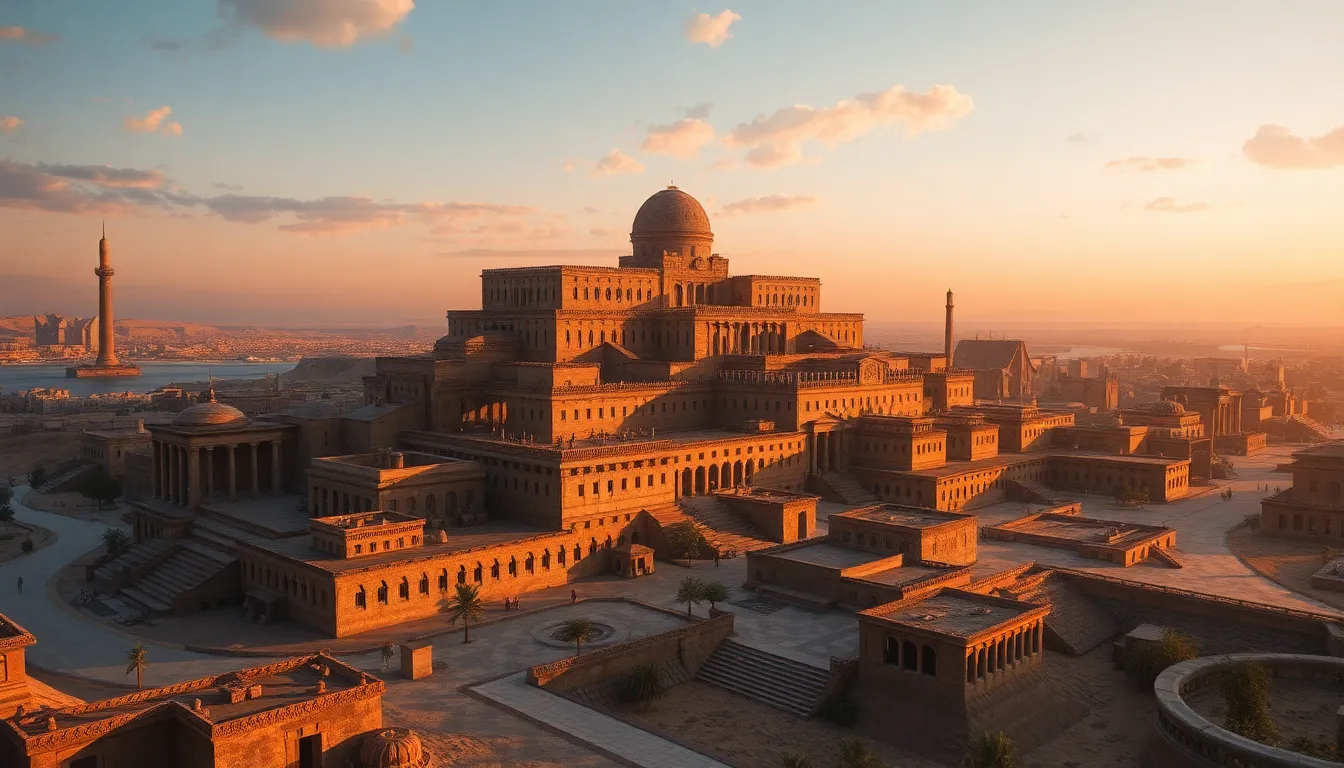
The Mythical Geography of the City of Elephantine
I. Introduction
Elephantine, an island located at the southern border of ancient Egypt, holds a unique position in both historical and mythical contexts. This site is not merely a geographical location; it is a tapestry woven with the threads of ancient culture, trade, and spirituality. The interplay between the physical attributes of Elephantine and its rich mythological background provides deep insights into how ancient Egyptians perceived their world.
The geography of a place often influences its mythology, shaping the stories and beliefs that arise around it. This article aims to explore how the physical landscape of Elephantine contributed to its mythical reputation and significance in Egyptian mythology.
II. Historical Significance of Elephantine
Elephantine is strategically located at the first cataract of the Nile River, serving as a gateway between Egypt and Nubia. Its discovery and subsequent archaeological explorations have revealed much about its critical role in ancient Egyptian civilization.
- Location and Discovery: Elephantine is situated near Aswan, and its archaeological significance was recognized in the 19th century, leading to extensive excavations.
- Role in Trade and Culture: The island was a vital trade hub, providing a crossing point for goods traveling between Egypt and sub-Saharan Africa. It was also a melting pot of cultures, contributing to the richness of ancient Egyptian society.
- Archaeological Findings: Numerous discoveries, including temples, inscriptions, and artifacts, have illuminated Elephantine’s role in both everyday life and the religious practices of the time.
III. The Mythological Foundations of Elephantine
Egyptian mythology is deeply intertwined with the geography of the land, and Elephantine is no exception. The myths associated with this island often reflect the broader narratives of the Nile and its deities.
- Overview of Egyptian Mythology: The pantheon of Egyptian gods includes numerous deities connected to natural elements and geography, with the Nile River being central to their stories.
- Connection to Goddess Satis: Satis, the goddess of the Nile, was worshipped on Elephantine, where she was believed to protect the inundation of the Nile and ensure the fertility of the land.
- Myths of the Nile: The Nile was not just a river; it was a lifeline that shaped the mythology surrounding creation, resurrection, and the afterlife.
IV. Geographic Features and Their Symbolism
The natural landscape of Elephantine is characterized by its unique topography, including rocky outcrops and lush vegetation, all of which carry symbolic weight in Egyptian mythology.
- Topography: Elephantine features hills, valleys, and fertile areas that contrast sharply with the arid desert surrounding it, symbolizing life amidst desolation.
- The Nile’s Role: The Nile not only provided sustenance but also served as a symbol of rebirth and renewal, reinforcing its importance in local mythology.
- Mountains and Islands: The mountains surrounding Elephantine were often seen as sacred, housing deities and serving as a backdrop for mythological narratives.
V. Sacred Spaces and Their Mythical Interpretations
Elephantine is home to several key temples and sacred sites that played a crucial role in ancient religious practices. These spaces were not only physical locations but also held deep spiritual significance.
- Key Temples: The Temple of Khnum on Elephantine was dedicated to the ram-headed god of creation, symbolizing fertility and sustenance.
- Ritual Practices: Rituals performed in these sacred spaces were often tied to the changing seasons and the flooding of the Nile, reflecting the cyclical nature of life.
- Religious Significance: These sites served as centers of worship and pilgrimage, reinforcing the connection between the people and their gods.
VI. The Influence of Elephantine on Later Mythologies
The myths surrounding Elephantine did not remain static; they evolved and influenced later cultural narratives. The island’s rich heritage contributed to the broader tapestry of mythology.
- Adaptation by Later Cultures: The significance of Elephantine’s myths was absorbed and adapted by later civilizations, including the Greeks and Romans, who recognized its importance.
- Comparisons with Other Mythical Cities: Similar to other mythical locations like Atlantis or Avalon, Elephantine has captured the imagination of cultures beyond ancient Egypt.
- Lasting Legacy: The stories and symbols associated with Elephantine continue to resonate in modern narratives, influencing literature, art, and popular culture.
VII. Contemporary Perspectives on Elephantine’s Mythical Geography
Modern archaeological research has shed light on the historical and mythical dimensions of Elephantine, offering fresh perspectives on its significance.
- Archaeological Research: Ongoing excavations reveal new insights into the daily lives and beliefs of the ancient inhabitants of Elephantine.
- Role in Modern Mythology: Today, Elephantine attracts tourists and scholars alike, serving as a symbol of Egypt’s rich cultural heritage.
- Challenges in Preservation: The site faces threats from modern development and environmental changes, posing challenges to the preservation of its mythical heritage.
VIII. Conclusion
In summary, Elephantine serves as a remarkable intersection of history, geography, and mythology. Its geographical features and sacred sites have profoundly shaped the narrative of ancient Egyptian beliefs, revealing the intricate connections between the physical world and the realm of the divine.
Understanding the mythical geography of Elephantine not only enriches our knowledge of ancient Egyptian culture but also highlights the timeless human fascination with the interplay between land, myth, and identity. The legacy of Elephantine will continue to inspire curiosity and reverence for generations to come.