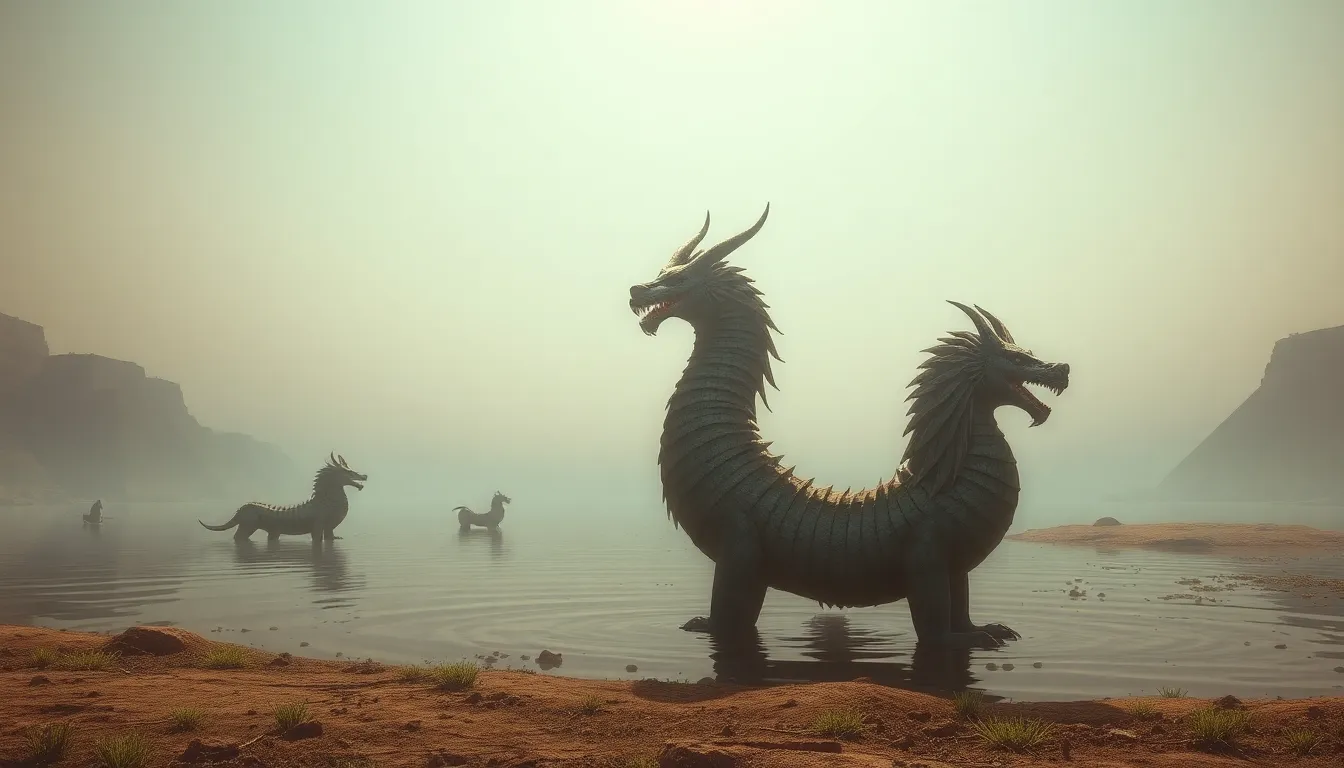
The Mythical Creatures of the Nile
I. Introduction
The Nile River, often referred to as the lifeblood of ancient Egypt, was central to the civilization’s culture, economy, and spirituality. Flowing through the heart of the desert, it provided water, fertile soil, and a means of transportation, making it indispensable to the Egyptians. The river was not just a physical entity; it was imbued with cultural and spiritual significance, leading to a rich tapestry of myths and legends surrounding it.
In ancient Egyptian folklore, mythical creatures played a pivotal role in shaping beliefs and understanding the world. These creatures were often manifestations of natural forces or personifications of abstract concepts, serving both to explain the mysteries of life and to embody the fears and hopes of the people. This article explores the mythical creatures associated with the Nile, delving into their significance and the stories that have endured through the ages.
II. The Role of Mythical Creatures in Ancient Egyptian Beliefs
Mythology was integral to ancient Egyptian society, providing a framework for understanding the cosmos and humanity’s place within it. Myths were not merely stories; they were a means of explaining natural phenomena, governing rituals, and reinforcing social order.
Many deities were closely linked to mythical creatures, each representing various aspects of life, death, and rebirth. The Nile itself was seen as a source of life, and its waters were believed to harbor supernatural beings that influenced agricultural cycles and the prosperity of the land. The Egyptians believed that these creatures could aid or threaten their existence, depending on the balance maintained between nature and humanity.
III. The Nile Crocodile: Guardian of the River
The Nile crocodile, a formidable predator, held a prominent place in ancient Egyptian culture. Revered and feared, it symbolized both chaos and protection. It was closely associated with Sobek, the crocodile deity, who was worshipped as a protector of the Nile and its resources.
- Cultural Significance: Sobek was believed to safeguard the Nile, ensuring the fertility of the land. He was often depicted with a crocodile head and a human body, embodying the duality of creation and destruction.
- Myths Surrounding Sobek: Legends tell of Sobek’s role in the creation of the world, where he emerged from the waters of chaos to bring order. He was also thought to control the Nile’s inundation, a critical event for agriculture.
- Symbolism in Art: In Egyptian art, crocodiles were depicted in a variety of ways, often showing their protective nature. They symbolized strength and were also seen as guardians of the afterlife.
IV. The Serpent of the Nile: A Tale of Chaos and Order
Serpents in Egyptian mythology often represented chaos and destruction, with Apophis (Apep) being the most notable among them. Apophis was a monstrous serpent that threatened the sun god Ra during his nightly journey through the underworld.
- Role of Serpents: Serpents were viewed as embodiments of evil forces that challenged the order of the universe. Their battles with the gods symbolized the ongoing struggle between chaos and order.
- Myths Related to Apophis: Apophis was believed to reside in the depths of the Nile, waiting to attack Ra. The Egyptians performed rituals to ward off Apophis, ensuring the sun’s safe passage and the Nile’s fertility.
- Symbolism of Order vs. Chaos: The eternal conflict between Ra and Apophis illustrated the importance of maintaining order (maat) in the world, a core principle of Egyptian belief.
V. The Water Nymphs: Spirits of the Nile
Water nymphs, or nymph-like spirits, were believed to inhabit the banks of the Nile. These mystical beings were thought to be guardians of the waters, often associated with fertility and the nurturing aspects of the river.
- Description: Water nymphs were often depicted as beautiful maidens who could both aid and hinder humans. Their presence was connected to the fertility of the land and the health of livestock.
- Stories and Legends: Numerous legends exist about encounters with these spirits, often involving mortals who sought their favor or protection. Some tales depict nymphs as granting wishes or bestowing gifts of abundance.
- Role in Agriculture: The water nymphs were believed to play a crucial role in the agricultural cycle, ensuring that the fields were watered and crops flourished. Their blessings were essential for a successful harvest.
VI. The Phoenix: Symbol of Rebirth by the Nile
The phoenix, a mythical bird that symbolizes rebirth and renewal, has deep roots in Egyptian mythology. Often associated with the sun and the cycles of life, the phoenix is emblematic of the annual flooding of the Nile, which rejuvenated the land.
- Origins of the Phoenix Myth: The myth of the phoenix likely originated from the observation of the cyclical nature of life and death in the Nile’s ecosystem. The phoenix was said to rise from its ashes, a powerful symbol of resurrection.
- Symbolism of Life Cycles: The flooding of the Nile was a life-giving event, bringing nutrients to the soil. This cycle mirrored the phoenix’s rebirth, reinforcing the idea of life emerging from death.
- Artistic Representations: The phoenix was often depicted in Egyptian art, illustrating its connection to the sun god Ra and the themes of immortality and renewal inherent in the culture.
VII. Modern Interpretations and Cultural Impact
The myths surrounding the Nile and its creatures continue to influence contemporary literature, film, and art. These ancient stories resonate with themes of chaos, order, life, and death, remaining relevant in modern storytelling.
- Influence on Contemporary Literature: Many authors draw inspiration from Egyptian mythology, infusing modern narratives with ancient themes and characters.
- Mythical Creatures in Media: Films and television shows often depict the mythical creatures of the Nile, bringing these ancient legends to life for new audiences.
- Preservation of Myths: In modern Egyptian culture, these myths are preserved through festivals, storytelling, and artistic expressions, ensuring that the legacy of the Nile’s mythical creatures endures.
VIII. Conclusion
In exploring the mythical creatures of the Nile, we uncover a rich tapestry of stories that reveal the beliefs and values of ancient Egyptian civilization. From the guardian crocodile Sobek to the chaos of Apophis and the benevolent water nymphs, each creature embodies the complexities of life along the Nile.
These myths not only provide insight into the ancient world but also invite us to reflect on their relevance today. As we continue to explore these legends, we gain a deeper understanding of the interconnectedness of nature, mythology, and human experience.
We encourage readers to delve into these fascinating stories and consider how they shape our understanding of the Nile and its enduring legacy in both ancient and modern cultures.