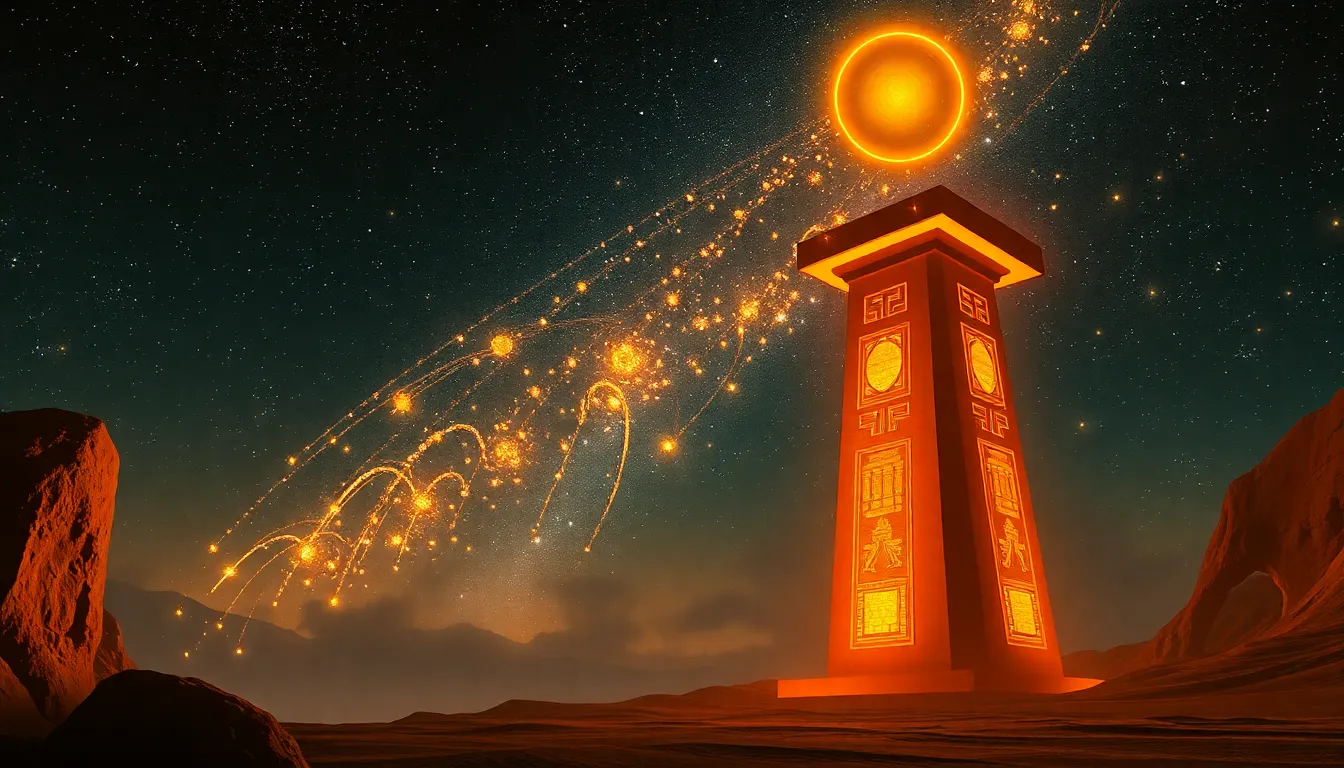
The Myth of the Eternal Stars: Egyptian Beliefs about Immortality
I. Introduction
The ancient Egyptians held a profound belief in the afterlife, viewing it as an extension of life on earth. They believed that the soul would embark on a journey after death, ultimately leading to a form of immortality. Integral to this belief system was the significance of the stars, which not only guided the living but also served as a connection to the divine and the afterlife.
This article explores the multifaceted beliefs of the ancient Egyptians regarding immortality, particularly focusing on the cosmic elements that shaped their understanding of life after death.
II. The Role of the Nile in Egyptian Cosmology
The Nile River was considered the lifeblood of Egypt, playing a crucial role in agriculture, transportation, and sustenance. Its annual flooding brought fertility to the land, allowing crops to flourish and supporting the population. Consequently, the Nile was more than just a river; it was a symbol of life, death, and rebirth.
- Significance of the Nile: The river was revered as a divine entity, often personified in myths as the god Hapi.
- Connection to Life and Death: The cycle of flooding and receding mirrored the cycle of human life and the journey of the soul.
- Impact on Immortality Beliefs: The Egyptians believed that the soul, like the Nile, could transcend physical boundaries and achieve eternal life.
III. The Concept of Ma’at: Order and Balance
Central to Egyptian thought was the concept of Ma’at, representing truth, balance, and cosmic order. Ma’at was personified by a goddess who was both a principle and a deity.
- Explanation of Ma’at: Ma’at was essential for maintaining harmony in the universe and ensuring the proper functioning of the cosmos.
- Influence on Afterlife Beliefs: Adherence to Ma’at was believed to determine one’s fate in the afterlife; only those who lived in accordance with its principles could hope for eternal life.
- Relationship with the Stars: The stars were often seen as manifestations of Ma’at, reflecting the order and balance that governed both the earth and the heavens.
IV. The Journey of the Soul: From Life to the Afterlife
The journey of the soul after death was a fundamental aspect of Egyptian belief. Upon passing, the deceased would embark on a perilous journey to the underworld, known as the Duat.
- Process of Death: Death was viewed as a transition rather than an end, with the deceased preparing for their journey through rituals and spells.
- Weighing of the Heart Ceremony: In the Hall of Two Truths, the heart of the deceased was weighed against the feather of Ma’at. A light heart signified a life lived in truth and balance.
- Significance of the Duat: The Duat was a complex realm filled with challenges and trials, where the soul would encounter various deities and monsters before reaching the afterlife.
V. The Stars as Symbols of Immortality
In Egyptian mythology, stars held profound significance, often associated with deities and the souls of the deceased. The night sky was a canvas on which the stories of gods and mortals were painted.
- Overview of Specific Stars and Constellations: Stars like Sirius (Sopdet) were vital to the agricultural calendar and symbolized rebirth and renewal.
- Connection between Deities and Celestial Bodies: Many deities were linked to specific stars, reinforcing their divine nature and connection to the cosmos.
- Stars as Representations of Deceased Pharaohs: The souls of pharaohs were believed to ascend to the stars, becoming immortal guardians of the living.
VI. Funerary Practices and Their Cosmic Significance
Funerary practices in ancient Egypt were deeply entwined with their beliefs about the afterlife and the cosmos. These rituals were designed to ensure the deceased’s safe passage and eternal existence.
- Overview of Mummification: Mummification preserved the body for the afterlife, reflecting the belief that the soul would need a physical form.
- Role of Tombs and Pyramids: Tombs were constructed to serve as homes for the deceased in the afterlife, often aligned with celestial phenomena.
- Artifacts and Inscriptions: Many tombs contained artifacts and inscriptions that reflected the deceased’s beliefs in eternal life and their connection to the cosmos.
VII. The Legacy of Egyptian Beliefs in Modern Culture
The beliefs of ancient Egyptians regarding immortality and the cosmos continue to resonate in modern spirituality and culture.
- Influence on Modern Spirituality: Concepts of the afterlife, reincarnation, and cosmic balance have found their way into various spiritual practices today.
- References in Literature and Media: Egyptian mythology has inspired countless works in literature, film, and art, reflecting humanity’s enduring fascination with these ancient beliefs.
- Enduring Fascination with Cosmology: The intricate relationship between life, death, and the stars continues to intrigue scholars and enthusiasts alike.
VIII. Conclusion
The significance of stars in Egyptian beliefs about immortality underscores the interconnectedness of all aspects of existence. The ancient Egyptians viewed life, death, and the cosmos as a harmonious whole, with each element reflecting and influencing the others.
This enduring legacy invites us to reflect on our own beliefs about life and the universe, reminding us that the quest for understanding and connection transcends time and culture.