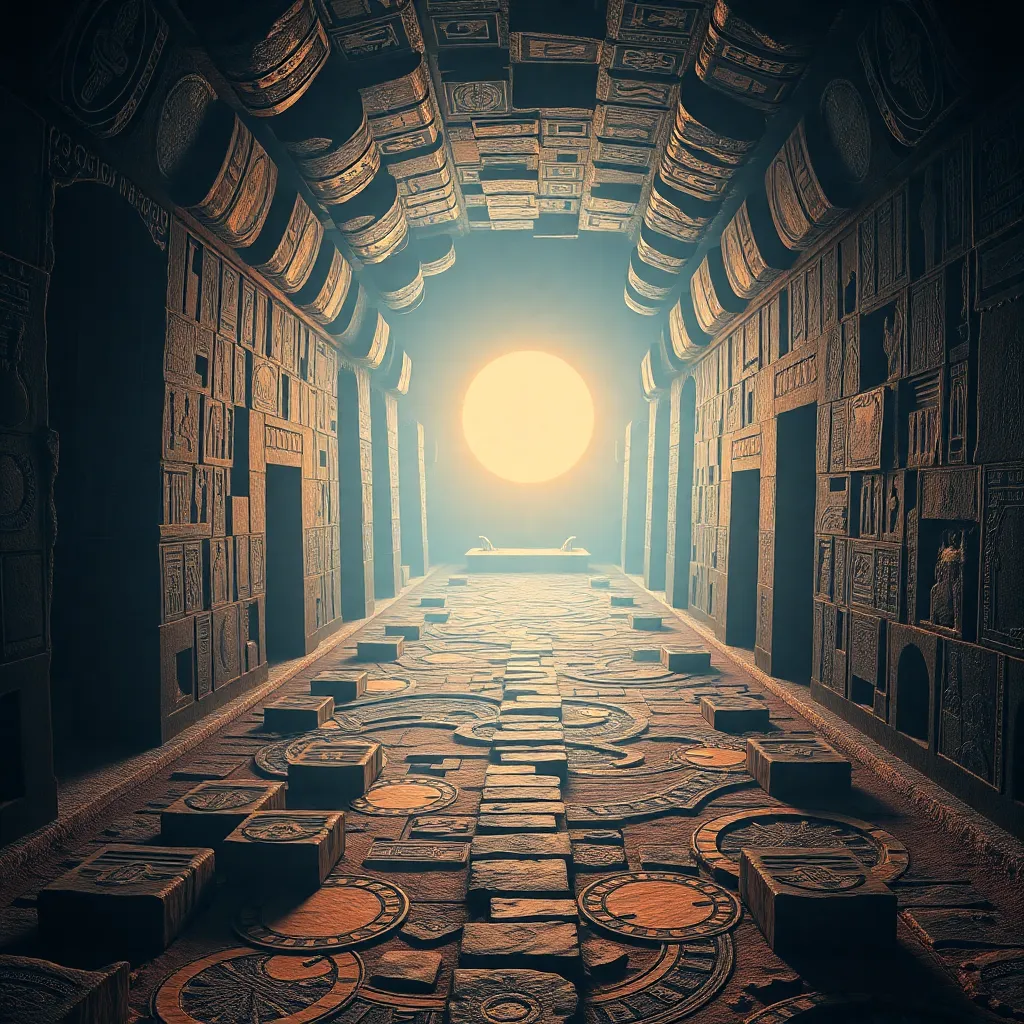
The Myth of the Divine Labyrinth: The Journey Through the Afterlife
I. Introduction to the Divine Labyrinth
The myth of the Divine Labyrinth is a rich tapestry woven from ancient beliefs and cultural symbolism surrounding the afterlife. This myth serves as a metaphorical representation of the soul’s journey through the complexities of existence, both in life and beyond.
Labyrinths have held significant meaning across various cultures, often symbolizing the intricate paths we navigate in life and the afterlife. From the ancient Greeks to the Egyptians, the labyrinth has represented both physical and spiritual journeys.
Central to the concept of the afterlife journey is the belief that life does not end with death; instead, it is a transition into another realm where souls must confront their past and seek enlightenment.
II. Historical Perspectives on Afterlife Beliefs
Throughout history, ancient civilizations have shared diverse beliefs regarding the afterlife. For instance:
- The Egyptians believed in a complex afterlife that involved judgment by Osiris, where the heart was weighed against the feather of Ma’at.
- The Greeks had a more varied view, with realms such as the Elysian Fields for the virtuous and Tartarus for the wicked.
- In Hinduism, the cycle of reincarnation reflects a continuous journey through life, death, and rebirth.
The labyrinth motif has evolved across cultures, often representing the intricate paths of life and the challenges faced by souls. The convergence of these beliefs reveals a shared human fascination with what lies beyond death.
Comparative analysis shows that many traditions share common elements, such as trials, judgment, and transformation, reflecting humanity’s universal quest to understand the afterlife.
III. The Symbolism of the Labyrinth
The labyrinth serves as a powerful metaphor for the soul’s journey. It embodies the complexity of life, with twists and turns representing the myriad choices and challenges one faces. Psychologically, labyrinths can symbolize the mind’s journey through confusion towards clarity and enlightenment.
In literature and art, the imagery of the labyrinth often reflects:
- Confusion: The initial disorientation faced by souls as they navigate their past.
- Enlightenment: The eventual understanding and acceptance of one’s life choices.
This interplay between confusion and enlightenment underscores the transformative power of the journey through the labyrinth, emphasizing personal growth through trials.
IV. Key Figures in the Myth of the Divine Labyrinth
Greek mythology prominently features Daedalus, the master craftsman who constructed the labyrinth to contain the Minotaur. His story illustrates the duality of creation and destruction, reflecting the labyrinth’s dual role as a place of entrapment and enlightenment.
Other notable figures associated with labyrinths include:
- The Minotaur: Symbolizing the beastly nature that resides within.
- Theseus: The hero who navigated the labyrinth, representing courage and self-discovery.
- Persephone: Her journey to the underworld illustrates the cyclical nature of life and death.
Guardians and guides play crucial roles in afterlife narratives, often aiding souls in their journey through the labyrinth, symbolizing the mentors and experiences that guide us in life.
V. Modern Interpretations of the Divine Labyrinth
In contemporary literature and art, the labyrinth continues to resonate as a powerful symbol of personal and existential exploration. Authors and artists use labyrinth imagery to convey the complexity of human experience and the search for meaning.
Modern psychology has also embraced the labyrinth as a tool for understanding the psyche. It serves as a metaphor for:
- The journey of self-discovery.
- The exploration of unconscious thoughts and feelings.
- The process of overcoming personal challenges.
Additionally, the labyrinth has found its place in modern spiritual practices, where it is used as a tool for meditation and reflection, allowing individuals to walk the path of their soul’s journey.
VI. The Journey Through the Labyrinth: Stages and Challenges
The afterlife journey, as portrayed in various myths, can be broken down into several stages. Common phases include:
- Preparation: The soul’s readiness to confront its past.
- Trial: Encounters with challenges and obstacles that test the soul’s resolve.
- Reflection: Moments of introspection that lead to understanding.
- Transformation: The eventual acceptance and enlightenment that follow.
Common challenges faced within the labyrinth often symbolize inner fears, regrets, and unresolved issues, representing the trials that promote personal growth.
These trials and tribulations are essential for the journey, emphasizing that overcoming hardships leads to greater wisdom and self-awareness.
VII. Lessons from the Myth of the Divine Labyrinth
The myth of the Divine Labyrinth offers profound insights into mortality and the human experience. It encourages us to reflect on:
- The inevitability of death and the importance of living meaningfully.
- The labyrinth as a path to self-discovery, highlighting the significance of understanding our personal journeys.
- How our life choices and values shape our experiences and perceptions of the afterlife.
Ultimately, the labyrinth serves as a reminder that the journey itself is as important as the destination, urging us to embrace our paths with all their complexities.
VIII. Conclusion: Embracing the Journey
In summary, the myth of the Divine Labyrinth encapsulates the intricate journey of the soul through life and the afterlife. Its symbolism resonates across cultures and epochs, emphasizing the importance of understanding our paths.
The enduring relevance of the labyrinth myth in today’s world calls us to explore our personal journeys, confronting the challenges and reflecting on the lessons learned along the way.
As we navigate our own metaphorical labyrinths, we are encouraged to embrace the journey, knowing that each twist and turn contributes to our growth and transformation.