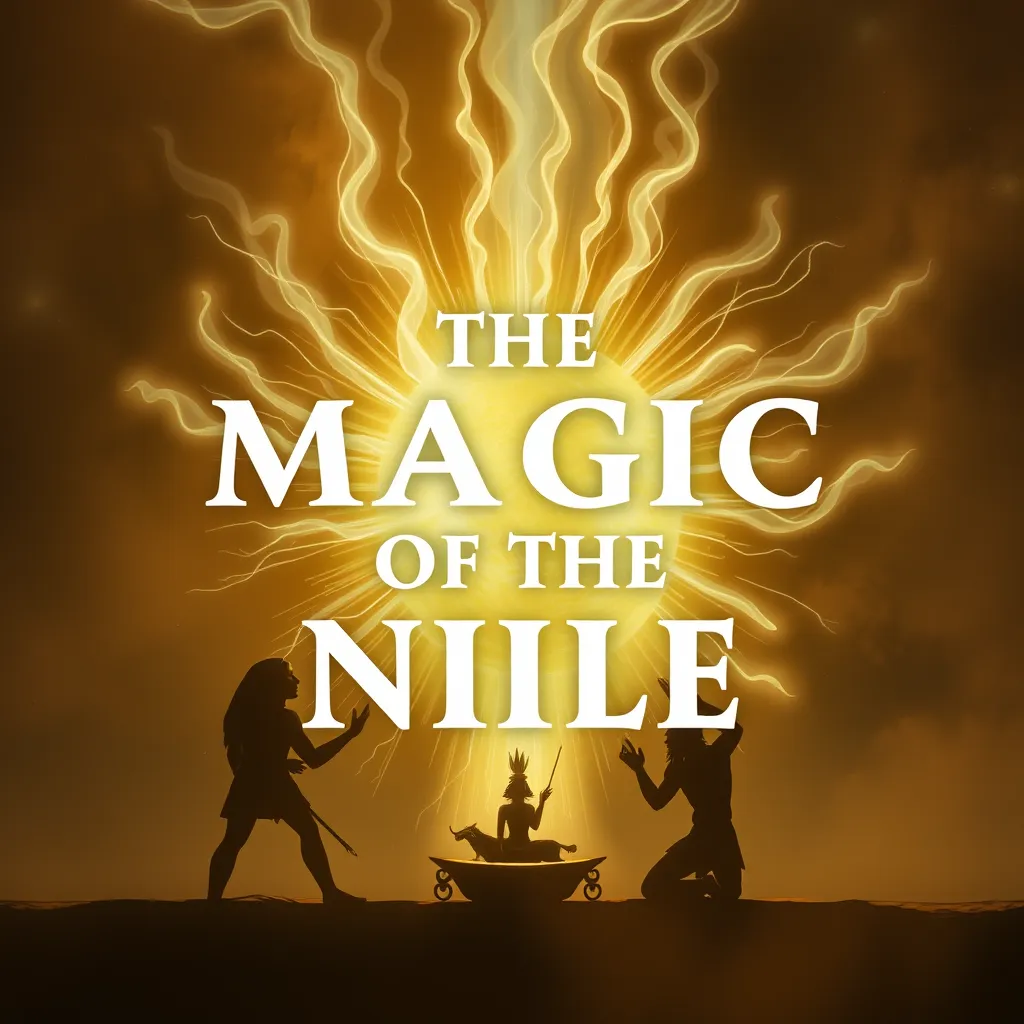
The Magic of the Nile: Exploring Egyptian Divination Practices
I. Introduction
Ancient Egypt, with its towering pyramids, enigmatic sphinxes, and rich tapestry of gods, was a civilization that thrived along the banks of the Nile for thousands of years. This civilization was not only known for its monumental achievements in architecture and art but also for its profound spiritual and religious beliefs. Among these beliefs, divination played a critical role, serving as a means for the ancient Egyptians to seek guidance from the divine.
Divination in Egyptian culture was not merely a practice; it was a vital aspect of everyday life intertwined with religion and spirituality. It offered individuals and rulers insight into the future, helping them make decisions that aligned with cosmic and divine order. This article aims to explore the fascinating world of Egyptian divination practices, shedding light on their historical context, types, tools, and the enduring legacy they have left behind.
II. Historical Context of Divination in Ancient Egypt
The practice of divination in Ancient Egypt was deeply rooted in the religious and spiritual beliefs of the time. The Egyptians believed in a pantheon of gods who influenced every aspect of life, from agriculture to health. Consequently, divination was seen as a way to communicate with these deities and understand their will.
Key historical figures, such as Imhotep, often regarded as the first physician and a priest, played a significant role in the development of divination practices. Sacred texts, such as the Pyramid Texts and the Coffin Texts, provide insights into the divinatory methods used and their importance in the afterlife.
Over time, divination practices evolved, influenced by changing political landscapes, foreign invasions, and the merging of various religious beliefs. This evolution saw the introduction of new techniques and tools, which expanded the scope of divination practices.
III. Types of Divination Practices
Ancient Egyptians utilized various divination practices, each with its own significance:
- Astrology and Celestial Observations: The Egyptians paid close attention to the stars and planets, believing that celestial bodies influenced earthly events. They developed complex astrological charts to predict personal and political events.
- Oracle Consultations: Oracles played a vital role in Egyptian society, often consulted by pharaohs and commoners alike. These oracles were believed to convey messages from the gods, providing guidance on critical decisions.
- Dream Interpretation: Dreams were considered a direct communication from the divine. Skilled interpreters would analyze dreams to uncover hidden messages and prophecies, making this practice one of the most revered forms of divination.
IV. Tools and Techniques Used in Divination
The tools and techniques of divination in Ancient Egypt were as varied as the practices themselves. Some of the key elements included:
- Sacred Objects: Items such as amulets, statues, and papyrus scrolls were imbued with special significance. Each object had a specific meaning and was often used in rituals to invoke the gods’ favor.
- The Nile River: The Nile was not just a lifeline for agriculture; it was also seen as a source of spiritual power. Its annual flooding was believed to be a divine event, and rituals surrounding it often included divination.
- Rituals and Ceremonies: Complex rituals involving music, dance, and offerings were conducted to appease the gods and seek their guidance. These ceremonies often included the participation of priests and diviners.
V. The Role of Priests and Diviners
In Ancient Egypt, diviners were often priests who underwent rigorous training to understand the spiritual and cosmic laws governing their society. Their responsibilities included conducting rituals, interpreting omens, and providing counsel to the pharaoh and the public.
The relationship between priests and the divine was paramount in their role as intermediaries. They were believed to possess unique insights into the will of the gods, allowing them to guide their communities through challenges.
Case studies of renowned Egyptian diviners, such as the High Priest of Amun, demonstrate how their influence extended beyond the spiritual realm into politics and governance, shaping the course of history.
VI. Symbolism in Egyptian Divination
Symbolism played a crucial role in Egyptian divination practices. Common symbols included:
- The Ankh: Symbolizing life, the ankh was often used in rituals to invoke blessings from the gods.
- Lotus Flower: Associated with rebirth and creation, the lotus was a powerful symbol in divination.
- Scarab Beetle: Representing transformation and protection, the scarab was frequently used in amulets to safeguard the wearer.
The connection between nature and divination was also significant, as the Egyptians believed that natural phenomena were manifestations of divine will. Furthermore, the rich mythology of Egypt influenced divinatory practices, with stories of gods and goddesses providing a backdrop for interpretation.
VII. Modern Perspective on Ancient Egyptian Divination
In contemporary society, there is a renewed interest in ancient Egyptian spirituality and divination practices. Many modern practitioners draw inspiration from the methods used by the ancients, incorporating these techniques into their spiritual practices.
The resurgence of Egyptian spirituality often includes:
- Astrology based on ancient Egyptian zodiac signs.
- Rituals that pay homage to the deities of Ancient Egypt.
- Dream interpretation that aligns with ancient beliefs.
When compared to other ancient divination systems, such as the Greek or the Chinese, Egyptian divination stands out for its unique integration of mythology, nature, and spirituality.
VIII. Conclusion
In summary, the divination practices of Ancient Egypt were a vital aspect of their civilization, deeply intertwined with their religion, culture, and daily life. From astrology to dream interpretation, these practices provided a framework for understanding the mysteries of life and the cosmos.
The lasting legacy of Egyptian divination practices continues to captivate the interest of scholars and spiritual seekers alike, reminding us of the profound connection between humanity and the divine. The magic of the Nile endures, echoing the mysteries that captivated the hearts and minds of the ancient Egyptians.
As we explore these ancient practices, we find not only a glimpse into the past but also an invitation to reflect on our own beliefs and the ways we seek guidance in our lives.