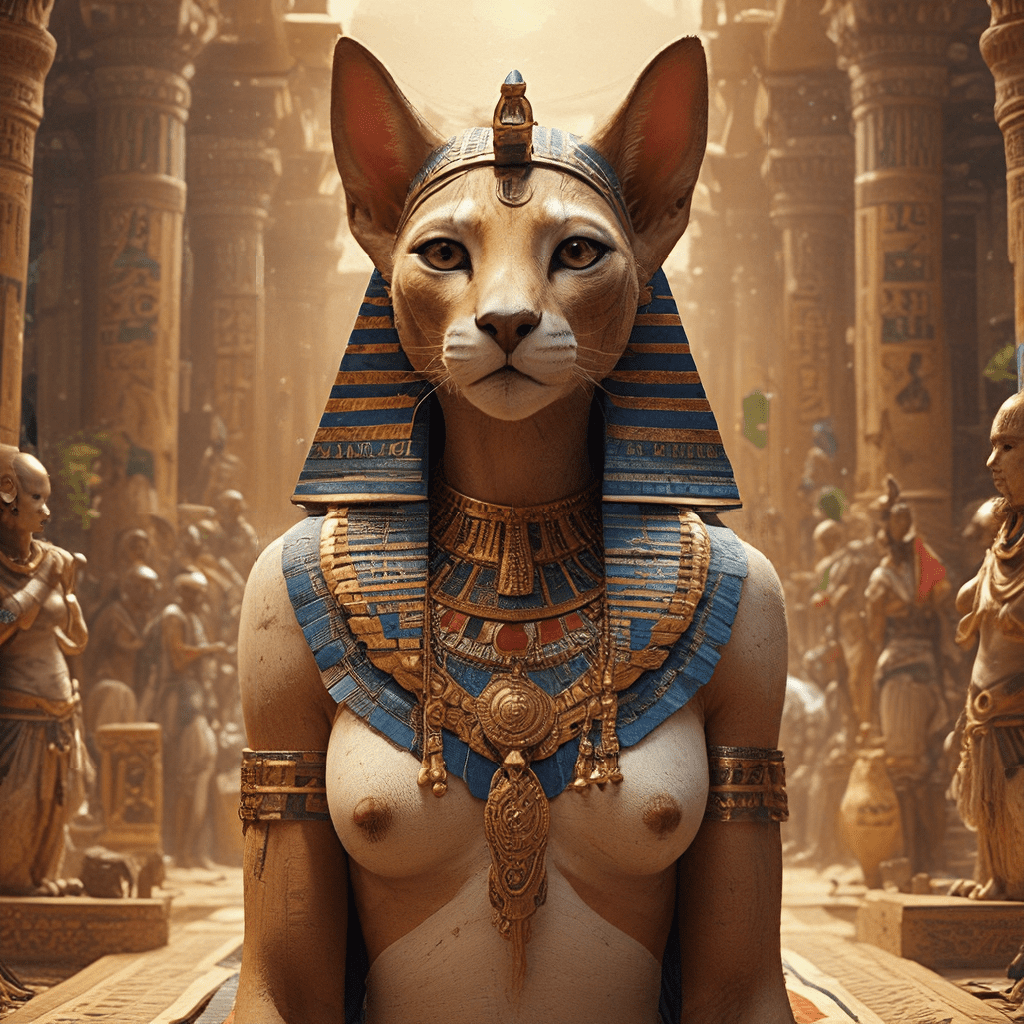
The Legacy of the Nile: Exploring the History of the Bastet Festival
1. Introduction: The Nile’s Influence on Egyptian Culture
The Nile River, the lifeblood of ancient Egypt, was more than just a source of water. It was deeply intertwined with the very fabric of Egyptian culture, influencing everything from their religious beliefs to their daily lives. The annual flooding of the Nile brought fertile soil, allowing agriculture to thrive and ensuring the prosperity of the civilization. This cyclical pattern of life and renewal became a central theme in Egyptian mythology, where gods and goddesses were often associated with specific aspects of nature. One such deity, closely connected to the Nile’s bounty, was the feline goddess Bastet, whose festival became a major celebration of life, joy, and abundance.
2. Bastet: The Feline Goddess of Protection and Joy
Bastet, often depicted as a woman with a cat’s head or a cat, was a multifaceted goddess revered for her protective and nurturing qualities. She was believed to safeguard homes, protect women in childbirth, and ward off evil spirits. As the goddess of joy and domesticity, Bastet was also associated with music, dancing, and the pleasures of life. Her association with cats, cherished for their ability to control vermin and bring good luck, further cemented her role as a guardian of household prosperity. The Egyptians believed that Bastet’s presence brought peace, happiness, and fertility, making her a beloved figure throughout the land.
3. The Origins of the Bastet Festival: A Celebration of Fertility and Abundance
The Bastet Festival, also known as the Bubastis Festival, was an annual celebration held in honor of the goddess. It was deeply rooted in the agricultural cycle, coinciding with the time when the Nile River began to recede after its annual flood. This period marked the beginning of the harvest season, a time of great abundance and prosperity. The festival served as a way to express gratitude to Bastet for her blessings and to ensure her continued favor. The celebration was a symbol of life’s renewal, a vibrant reminder of the cycle of nature’s bounty and the interconnectedness of humans and the divine.
4. The Festival’s Location: The Sacred City of Bubastis
The Bastet Festival was held in the sacred city of Bubastis, located in the eastern Nile Delta. This city was dedicated to Bastet and served as her main temple complex. The city was renowned for its beautiful temples, magnificent statues, and bustling markets. During the festival, Bubastis became a hub of activity, attracting pilgrims and worshippers from all over Egypt. The city would be transformed into a festive environment, filled with music, dancing, and joyous celebrations in Bastet’s honor.
5. The Festival’s Rituals: Offerings, Music, and Dance
The Bastet Festival was a time for lavish rituals and ceremonies, where the Egyptians expressed their devotion to the goddess. Devotees would bring offerings of food, wine, and incense to Bastet’s temple. The temple priests would perform special rituals, including prayers and sacrifices, to appease the goddess. The festival was also marked by lively music and dance performances. Egyptians would gather in the streets and plazas, celebrating with music, song, and dance, their joyous expressions creating a vibrant atmosphere that honored Bastet’s playful and joyful nature.
6. The Role of Bastet in Egyptian Mythology: Protector of Home and Health
Bastet’s importance extended far beyond the confines of the Bastet Festival. She was a central figure in Egyptian mythology, often depicted alongside other deities, showcasing her wide-ranging influence. As the goddess of protection and healing, she was frequently invoked to safeguard homes, families, and communities from disease, misfortune, and evil spirits. Her role in Egyptian mythology underscored the significance of her benevolent power and the importance her worshippers placed on her divine protection.
7. The Festival’s Evolution: From Ancient Rites to Roman Influences
The Bastet Festival continued to be celebrated throughout the various periods of ancient Egyptian history. Over time, the festival incorporated elements from different dynasties, reflecting the changing cultural and religious landscape of the land. The festival’s rituals and celebrations evolved, incorporating new traditions and influences. During the Roman period, the festival underwent further transformations, influenced by the Roman culture and their own religious traditions. Despite these changes, the core essence of the festival, the veneration of Bastet and the celebration of life and abundance, remained intact.
8. The Decline and Legacy of the Bastet Festival
With the decline of ancient Egypt, the Bastet Festival gradually lost its prominence. The rise of Christianity and the spread of other religions throughout the land diminished the festival’s influence. The once vibrant celebration slowly faded into the annals of history. However, the legacy of the Bastet Festival continues to resonate in modern times. The stories and myths surrounding Bastet, her association with cats, and the festival’s enduring themes of joy, protection, and abundance continue to inspire and captivate people across cultures.
9. Bastet’s Influence Today: From Modern Art to Pop Culture
Bastet’s enduring legacy is evident in modern art, literature, and pop culture. Her image is frequently used in art, symbolizing the feminine power, beauty, and grace. Cats, often seen as companions and protectors, continue to be associated with Bastet’s spirit, adding a touch of mystique and charm to our modern lives. In popular culture, Bastet’s influence can be seen in various forms, from fictional characters to popular memes, reflecting the enduring power of this ancient goddess and her enduring appeal.
10. Conclusion: The Enduring Power of the Nile and Bastet
The Bastet Festival, a celebration of life, joy, and abundance, stands as a testament to the enduring power of the Nile and the ancient Egyptians’ deep connection to the natural world. Bastet, the feline goddess of protection, continues to hold a special place in our hearts, reminding us of the importance of joy, family, and the beauty of the natural world. Her legacy lives on, woven into the fabric of our lives, a timeless reminder of the enduring power of ancient traditions and the strength of the human spirit.