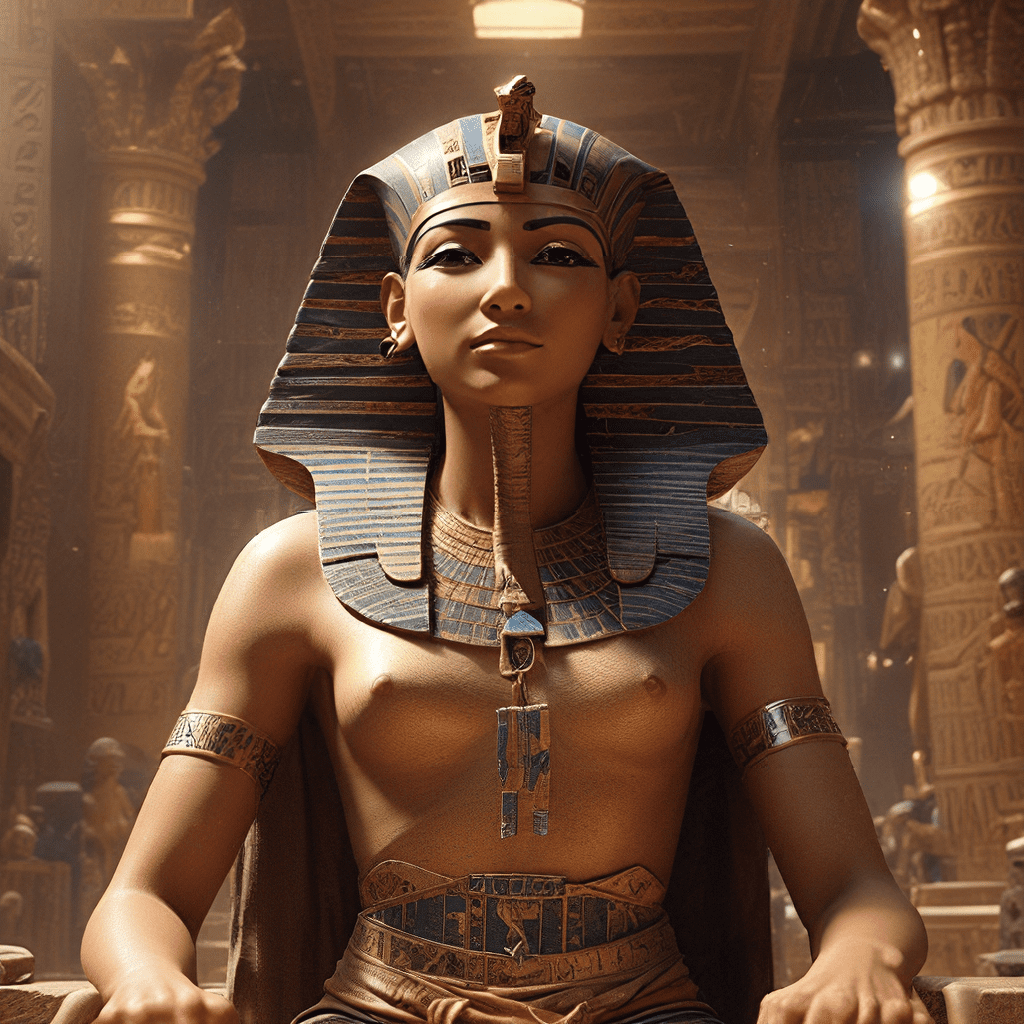
The Language of the Gods: Decoding Ancient Egyptian Magical Texts
1. Introduction: The Enigmatic World of Ancient Egyptian Magic
Ancient Egypt, a civilization renowned for its majestic pyramids, intricate hieroglyphs, and powerful pharaohs, was also deeply intertwined with magic. Magic played a crucial role in the lives of ancient Egyptians, from their daily routines to their beliefs about the afterlife. Magical texts, inscribed on papyrus, tomb walls, and amulets, offer a fascinating glimpse into their world of spells, rituals, and divine intervention.
These texts, often written in the enigmatic language of hieroglyphs, have long captivated scholars and the general public alike. Unveiling their secrets requires not only deciphering the hieroglyphs but also understanding the complex systems of belief and practice that underpinned ancient Egyptian magic. This article delves into the captivating world of ancient Egyptian magical texts, exploring their language, concepts, and enduring legacy.
2. The Nature of Ancient Egyptian Magical Texts
Ancient Egyptian magical texts are a diverse collection of writings that reveal the intricate web of beliefs and practices that shaped their world. These texts were written in hieroglyphs, a complex system of writing that used symbols to represent sounds, words, and concepts. Hieroglyphs were often used in conjunction with other forms of writing, such as hieratic and demotic, which were more cursive and practical.
Ancient Egyptian magical texts can be broadly categorized into spells, rituals, and amulets. Spells were incantations designed to achieve specific goals, such as healing, protection, or success in love. Rituals were carefully choreographed ceremonies involving specific actions, offerings, and prayers to invoke divine favor. Amulets were small objects inscribed with magical formulas or imagery, often worn as talismans for protection or good luck.
Magical texts were found in a variety of contexts, including temples, tombs, and everyday life. Temples served as centers for religious practice and magical rituals, while tombs contained spells and amulets designed to guide the deceased through the afterlife. Magical texts were also used in daily life for healing, protection, and enhancing fertility.
3. Key Concepts in Egyptian Magic
Ancient Egyptian magic was deeply rooted in their understanding of the cosmos and the belief in the power of words and ritual. The concept of “Ma’at,” meaning cosmic order and justice, was central to their worldview. They believed that the world operated according to established laws and that preserving this order was essential for maintaining harmony and prosperity.
Magical texts often invoked the power of words to shape reality. They believed that spoken incantations and written spells had the power to influence events, heal ailments, and even control divine beings. Rituals were considered essential for connecting with the divine and enacting change in the material world. The performance of specific actions, such as offerings, prayers, and gestures, was believed to be crucial for activating the power of magic.
Ancient Egyptians also relied on divine intervention to protect them from harm and guide them through life. They believed that gods and goddesses possessed immense power and could grant blessings, bestow favor, and offer protection from evil forces. Magical texts often included petitions and invocations to specific deities, seeking their assistance in achieving desired outcomes.
4. Demystifying the Language of Magic
Deciphering ancient Egyptian magical texts requires a deep understanding of their language and symbolism. While hieroglyphs can be challenging to interpret, they are not simply a code to be cracked. Each symbol carries a complex meaning and represents a combination of sound, concept, and image.
Scholars have dedicated countless hours to understanding the structure and syntax of magical texts. They have analyzed the use of figurative language and metaphors, which often play a pivotal role in conveying the power and intent of spells and rituals. For example, metaphors comparing the deceased to the sun god Ra or a bird soaring into the afterlife were common in funerary texts.
Beyond the literal meaning of words, ancient Egyptian magical texts often utilized symbolism to enhance their potency. Specific colors, animals, and objects were associated with particular deities, powers, and concepts. For instance, the color blue was often associated with the sky and the god Horus, while the scarab beetle was a symbol of rebirth and renewal.
5. The Role of Gods and Goddesses in Magic
Ancient Egyptian magic was deeply intertwined with their pantheon of gods and goddesses. Specific deities were associated with specific magical practices and powers. For example, the goddess Isis was a powerful healer and protector, while the god Thoth was associated with wisdom, magic, and the moon. Magical texts often invoked the names and epithets of these deities to call upon their powers.
The use of divine names and epithets was believed to be crucial in activating the power of magic. These names were not simply labels but were imbued with the essence and power of the deity they represented. Invoking the name of a god or goddess could be understood as a direct appeal to their authority and influence. Magical texts often included elaborate prayers and petitions to deities, asking for their favor and assistance in achieving specific goals.
The relationship between humans and gods in ancient Egyptian magic was one of mutual respect and reliance. Humans sought divine guidance and protection, while gods, in turn, were expected to play an active role in human affairs. This belief system underpinned the use of magic in both daily life and religious practice.
6. The Importance of Symbols and Ritual Objects
Symbols and ritual objects were integral to the practice of ancient Egyptian magic. These objects were not mere decorations but rather powerful conduits for channeling divine energy and activating magical power.
Magical amulets, often inscribed with magical formulas or imagery, were worn for protection and good luck. Specific amulets were associated with different deities and powers, such as the Eye of Horus, which was believed to ward off evil, or the scarab amulet, which symbolized rebirth and renewal. The use of specific colors, materials, and shapes also held significant symbolic meaning in ancient Egyptian magic.
Ritual actions and their symbolic significance were also crucial. Offering food and drink to deities, performing dances and gestures, and using specific tools and materials were all part of activating magical power. These actions were not mere formalities but embodied the intention and purpose of the magic being performed.
7. The Power of the Spoken Word in Ancient Egypt
Ancient Egyptians believed in the power of the spoken word to shape reality. Incantations and spells, with their carefully crafted words and rhythms, were believed to possess immense magical potency. The “Heka” word, meaning magic in hieroglyphs, was considered a powerful force. Egyptians believed that the spoken word could influence events, heal the sick, and even control divine beings.
The significance of pronunciation and rhythm was emphasized in magical practice. Words were not simply sounds but contained specific vibrations and energies that could be harnessed to achieve desired outcomes. The correct pronunciation of divine names and epithets was believed to be crucial in invoking their power. The use of repetitive phrases and rhythmic chants was intended to amplify the potency of the spells and incantations.
The belief in the power of the word to shape reality is a testament to the ancient Egyptian understanding of the interconnectedness of language, thought, and action. This belief resonated throughout their culture, influencing their art, literature, and religious practices.
8. The Legacy of Ancient Egyptian Magical Texts
The influence of ancient Egyptian magic can be seen in later magical traditions throughout the world. From Greek and Roman magic to medieval European practices, elements of ancient Egyptian belief and practice can be found. The enduring fascination with ancient Egyptian magic continues to inspire modern interpretations and applications.
The study of ancient Egyptian magical texts offers valuable insights into the human experience. They reveal the enduring human desire to connect with the divine, control their destiny, and find meaning in the face of the unknown. These texts are also a powerful reminder of the importance of language, symbolism, and ritual in shaping our understanding of the world and our place within it.
9. Challenges and Perspectives in Decoding Ancient Egyptian Magic
Despite the significant progress made in deciphering ancient Egyptian magical texts, there are still many challenges that remain. The limitations of translation, the complexities of ancient Egyptian belief systems, and the lack of direct evidence about the actual practice of magic all contribute to ongoing debates and interpretations.
It is important to approach the study of ancient Egyptian magic with respect and humility. We must recognize that our understanding of these texts is still evolving and that there are likely aspects of their meaning that we may never fully comprehend.
Decoding ancient Egyptian magical texts is not simply about uncovering historical artifacts. It is about engaging with a fascinating and complex cultural worldview that offers valuable insights into the human experience and our enduring fascination with the mysteries of the universe.