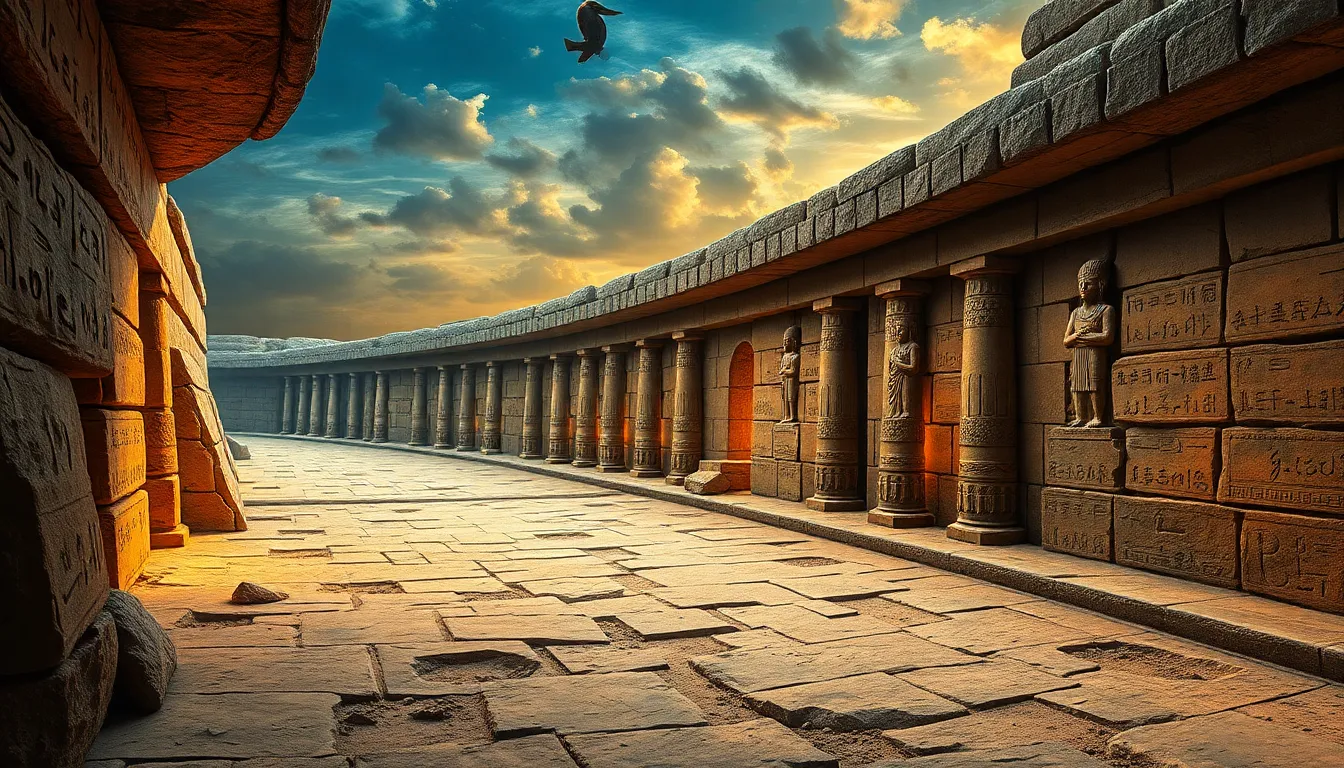
The Journey of the Dead: A Comparative Study of Tomb Texts
I. Introduction
Tomb texts are inscriptions and writings found within or on tombs, serving both a practical and spiritual purpose. They hold immense significance in ancient cultures as they provide insights into the beliefs, rituals, and values surrounding death and the afterlife. These texts were intended to guide and protect the deceased on their journey to the next world.
The purpose of this comparative study is to explore and analyze tomb texts from various ancient civilizations, highlighting their similarities and differences. By examining these texts, we can gain a deeper understanding of how different cultures perceive death and the afterlife.
This article will be structured into several sections, beginning with the historical context of tomb texts, followed by a thematic analysis, case studies of specific cultures, and concluding with cross-cultural insights and the significance of these texts in understanding human beliefs about death.
II. Historical Context of Tomb Texts
The origins of tomb texts can be traced back to the earliest civilizations, where they evolved as part of funerary practices. In ancient Egypt, for instance, tomb inscriptions date back to the Early Dynastic Period, while in Mesopotamia, they can be seen in the form of burial artifacts and texts from the Sumerians and Akkadians.
Key civilizations studied in this article include:
- Ancient Egypt
- Mesopotamia
- Mesoamerica
Tomb texts served a crucial role in funerary practices by ensuring that the deceased were remembered and protected in the afterlife. They often contained spells, prayers, and narratives that reflected the cultural beliefs surrounding death.
III. Thematic Analysis of Tomb Texts
A thematic analysis reveals several common themes found in tomb texts across different cultures, particularly concerning the afterlife and protection of the deceased. These themes include:
- Beliefs about the afterlife
- Spiritual protection
- Guidance for the deceased
- Tributes and offerings
While these themes are prevalent, variations exist across cultures. For example, Egyptian texts often emphasize the journey through the Duat (the underworld), whereas Mesopotamian texts might focus on the judgment of the soul.
Symbolism and imagery in tomb texts also vary, reflecting each culture’s unique beliefs. Egyptian texts frequently feature gods and goddesses involved in the afterlife, while Mesoamerican texts might depict deities associated with fertility and the cycles of life and death.
IV. Case Study: Egyptian Pyramid Texts vs. Coffin Texts
The Egyptian Pyramid Texts, dating back to the Old Kingdom, are among the earliest religious texts in the world. They were inscribed on the walls of royal tombs and served to ensure the pharaoh’s safe passage to the afterlife.
Coffin Texts emerged later, during the Middle Kingdom, and were more accessible to non-royal individuals. They evolved from the Pyramid Texts and were inscribed inside coffins, providing guidance and protection for the deceased.
In comparing the two:
- Language: Pyramid Texts often utilize archaic language, while Coffin Texts exhibit a more accessible vernacular.
- Structure: Pyramid Texts are more ornate and formal, whereas Coffin Texts are simpler and more varied in structure.
- Content: While both share themes of protection and guidance, Coffin Texts expand on personal narratives and include more spells for common people.
V. Case Study: Mesopotamian Burial Practices
In Mesopotamia, tomb texts are often exemplified by literary works such as The Epic of Gilgamesh, which reflects the civilization’s beliefs about life, death, and the afterlife. These texts provide insight into the Mesopotamian understanding of mortality and the significance of the afterlife.
Insights gained from these texts reveal that Mesopotamian beliefs about the afterlife were often grim, characterized by a shadowy existence in the underworld. In contrast to Egyptian beliefs, which emphasized an eternal paradise, Mesopotamian texts conveyed a more somber view of death.
When compared with Egyptian practices:
- Mesopotamian rituals were less elaborate, often involving simple burials, whereas Egyptian tombs were grand and meticulously prepared.
- Egyptians believed in a judgment of the soul, while Mesopotamians focused on the inevitability of death and the lack of an afterlife.
VI. Case Study: Mesoamerican Tomb Texts
In Mesoamerica, tomb inscriptions from the Maya and Aztec civilizations provide rich insights into their cultural beliefs. Mayan tombs often featured hieroglyphic inscriptions that detailed the life of the deceased and their achievements.
The Aztecs also inscribed their tombs with texts that reflected their beliefs in the cyclical nature of life and death, emphasizing the importance of sacrifice and the gods’ role in the afterlife.
These cultural beliefs are characterized by:
- A strong emphasis on the relationship between the living and the dead.
- Rituals that often included offerings and sacrifices to honor the deceased.
- A belief in reincarnation and the cyclical nature of existence.
Comparatively, Mesoamerican tomb texts differ from Old World texts in their focus on the community’s role in honoring the dead, rather than solely emphasizing the individual journey.
VII. Cross-Cultural Insights and Influences
Across cultures, certain shared beliefs and practices regarding the afterlife emerge. These include:
- A universal desire for protection and guidance in the afterlife.
- The significance of rituals and offerings to honor the deceased.
- Metaphorical representations of life after death.
The influence of geography, religion, and culture plays a vital role in shaping tomb texts. For instance, trade routes often facilitated cultural exchange, leading to the sharing of ideas about death and the afterlife. Moreover, the interaction between different civilizations can lead to the adoption of similar funerary practices and beliefs.
VIII. Conclusion
This comparative study of tomb texts from various ancient cultures has revealed key findings concerning the universal themes of death and the afterlife. The significance of these texts lies not only in their role in funerary practices but also in their reflection of human beliefs about mortality.
Understanding tomb texts is essential in the broader context of human beliefs about death, as they offer a window into the values and priorities of ancient civilizations. Future research could focus on the evolving nature of these texts over time and their impact on contemporary beliefs about death and the afterlife.