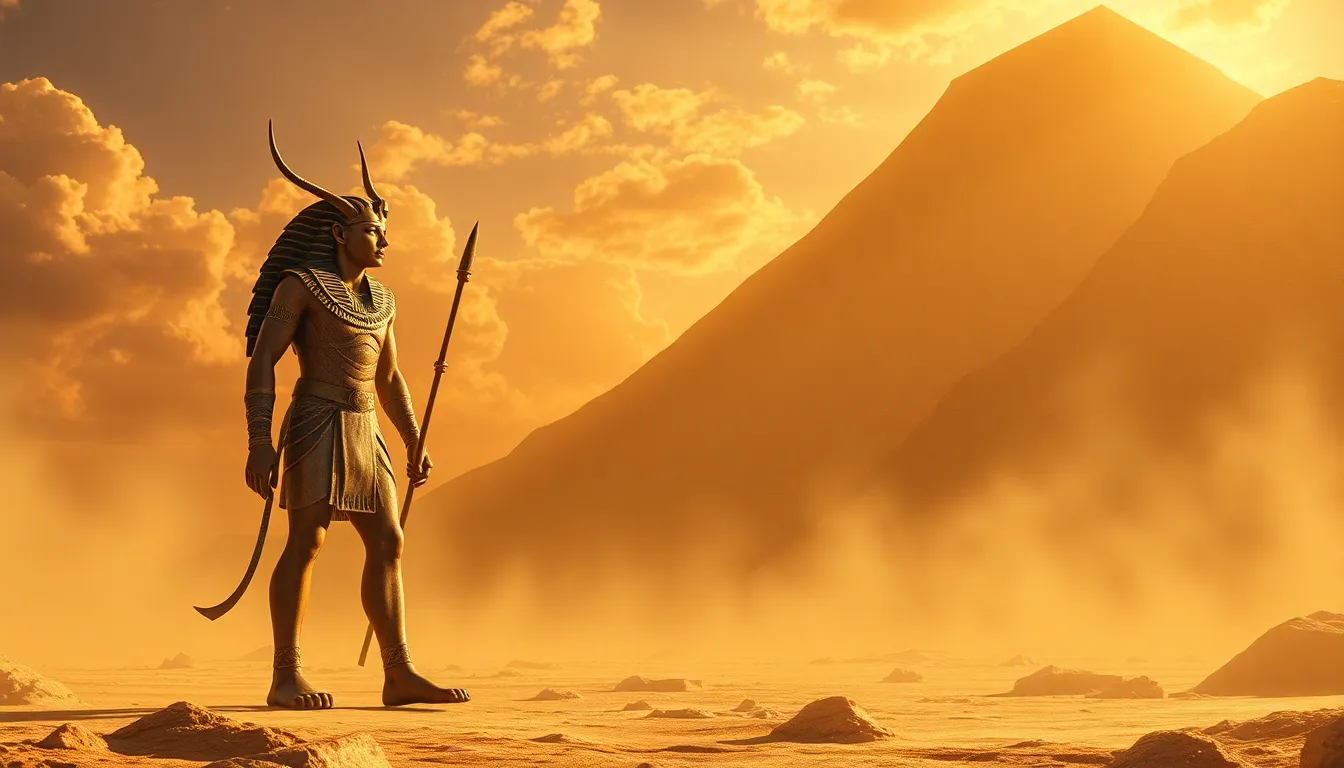
The Journey of Creation: How Myths Shaped Ancient Egyptian Culture
I. Introduction
Ancient Egyptian culture is one of the most fascinating and enduring civilizations in human history. Renowned for its monumental architecture, complex social structures, and profound religious beliefs, Egypt has captivated scholars and enthusiasts alike. Central to this culture was the rich tapestry of mythology that not only explained the mysteries of life and death but also shaped the daily lives and practices of its people.
Mythology played a pivotal role in ancient Egyptian society, influencing everything from governance to social norms. The stories of gods and creation were more than mere tales; they were integral to the Egyptians’ understanding of their world and their place within it. This article explores the significant influence of myths on ancient Egyptian society, highlighting how these narratives shaped their beliefs, practices, and cultural legacy.
II. The Role of Creation Myths in Ancient Egypt
Creation myths are narratives that explain how the universe and humanity came into existence. In ancient Egypt, these myths were crucial for understanding the cosmos, the divine order, and the relationship between gods and humans.
Among the most important creation myths are those centered around the deities Atum, Ptah, and Amun-Ra. Each of these gods was associated with different aspects of creation:
- Atum: Often depicted as the first god, Atum was believed to have created himself from the chaotic waters of Nun. He subsequently created other gods, initiating the process of creation.
- Ptah: Known as the god of craftsmen and architects, Ptah created the world through his thought and speech. His creative power was seen as a form of divine craftsmanship.
- Amun-Ra: As a fusion of the god Amun and the sun god Ra, Amun-Ra represented the supreme deity in later periods. His creation myth emphasized the importance of the sun and its life-giving properties.
These myths served to explain not only the origins of the universe but also the nature of humanity, emphasizing the idea that humans were created to serve and worship the gods.
III. The Pantheon of Gods and Goddesses
The ancient Egyptians worshiped a vast pantheon of gods and goddesses, each with unique characteristics and responsibilities. Key deities included:
- Osiris: God of the afterlife, resurrection, and fertility.
- Isis: Goddess of magic, motherhood, and fertility.
- Horus: The sky god, often associated with kingship and protection.
- Seth: God of chaos, storms, and the desert.
The relationships between these gods were complex and often reflected the societal hierarchy. For instance, Osiris’s resurrection by Isis underscored themes of death and rebirth, which were central to Egyptian beliefs about the afterlife. The divine narratives surrounding these gods established a framework for social order, with the pharaoh often considered a divine representative on earth.

IV. Myths and the Afterlife: Beliefs and Practices
Creation myths in ancient Egypt were deeply intertwined with beliefs about the afterlife. The notion that life continued after death was a fundamental aspect of Egyptian spirituality. The story of Osiris is particularly significant, as it revolves around his death and resurrection, embodying the cycle of life, death, and rebirth.
The Egyptians believed that one’s actions in life would determine their fate in the afterlife. The famous myth of the Weighing of the Heart illustrates this belief:
- Upon death, the heart of the deceased was weighed against the feather of Ma’at, the goddess of truth and justice.
- If the heart was lighter than the feather, the individual could enter the afterlife; if heavier, they faced annihilation.
Burial practices and tomb art reflected these mythological themes, with elaborate preparations made to ensure a safe passage to the afterlife. Tombs were adorned with scenes depicting the deceased’s journey and interactions with various deities, reinforcing the connection between creation myths and afterlife beliefs.
V. Myths as Moral and Ethical Guides
Beyond their explanatory role, myths served as moral and ethical guides for the ancient Egyptians. The stories conveyed lessons about right and wrong, justice and injustice, often through the actions of gods and mortals.
One of the most famous examples is the myth of the Weighing of the Heart, which not only illustrated the concept of divine judgment but also imparted values such as honesty, integrity, and the importance of living a righteous life. Other myths, such as the tales of Thoth, the god of wisdom, reinforced the value of knowledge and learning.
These narratives influenced laws and social conduct, establishing a moral framework that was considered divinely sanctioned. The teachings embedded in these stories helped shape societal norms and expectations.
VI. Mythology in Art and Architecture
The influence of mythology extended into the realm of art and architecture in ancient Egypt. Temples and monuments were often designed to reflect the stories and beliefs of the culture.
Representations of myths can be seen in:
- Temple Design: Temples were constructed as microcosms of the universe, often aligned with celestial bodies. The layout and decor were imbued with symbolic references to creation myths.
- Hieroglyphs: The writing system itself is filled with iconography that tells stories of gods and creation, serving both religious and educational purposes.
- Royal Imagery: Pharaohs often depicted themselves in the company of deities, reinforcing their divine right to rule and linking their reign to the myths of creation and order.
This artistic expression not only served a religious function but also acted as propaganda, legitimizing the power of the rulers and the state.
VII. The Evolution of Myths Over Time
Egyptian mythology was not static; it evolved over time, reflecting changes in society, politics, and external influences. Different dynasties interpreted and adapted myths to suit their needs.
External cultures, such as the Greeks and Romans, also influenced Egyptian myths, leading to new interpretations and syncretism. The fusion of Greek and Egyptian beliefs produced deities like Serapis, who embodied characteristics from both cultures.
Despite these changes, the core themes of creation and the afterlife remained prevalent, demonstrating the resilience and adaptability of Egyptian mythology throughout history.
VIII. Conclusion
In conclusion, the myths of ancient Egypt were integral to the civilization’s culture, shaping beliefs, practices, and societal structures. From creation stories that explained the origins of the universe to moral tales that guided ethical conduct, these narratives left an indelible mark on Egyptian society.
The legacy of Egyptian mythology continues to resonate today, influencing literature, art, and popular culture. Understanding these ancient narratives provides valuable insights into the human experience, revealing our enduring quest for meaning and connection with the divine.
As we reflect on the significance of these myths, we recognize their role not only in historical contexts but also in contemporary discussions about morality, identity, and the human condition.