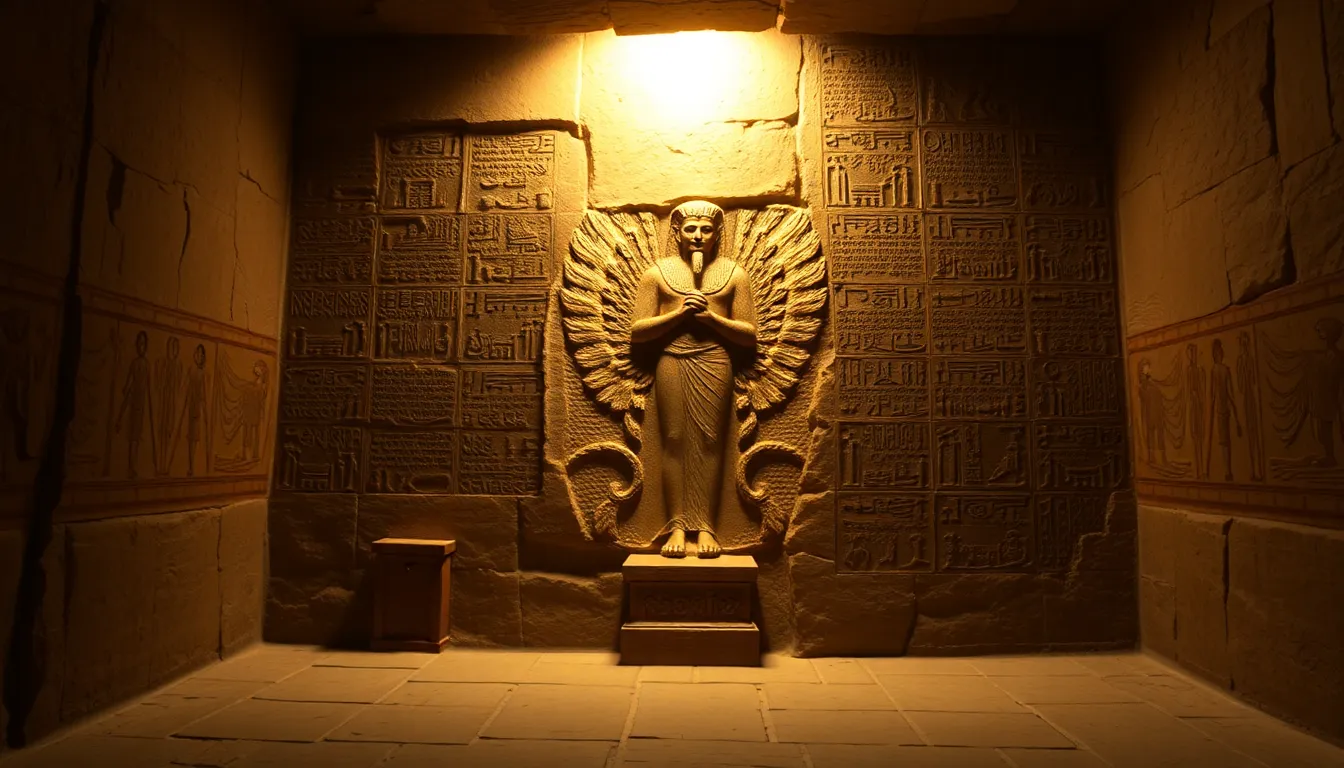
The Influence of Tomb Texts on Later Religions
I. Introduction
Tomb texts, also known as funerary texts, are a significant aspect of ancient Egyptian culture, serving as a bridge between the physical and spiritual realms. These texts were inscribed on the walls of tombs or written on objects placed within them, guiding the deceased through the afterlife. Their historical significance lies in their role in shaping the beliefs and practices surrounding death and the afterlife in ancient Egypt.
This article aims to explore the profound influence of tomb texts on later religious traditions, examining their origins, core themes, and the transmission of ideas that have resonated through various cultures and religions over the centuries.
II. Historical Context of Tomb Texts
The origins of tomb texts can be traced back to the Early Dynastic Period of ancient Egypt, evolving through the Old, Middle, and New Kingdoms. They played a crucial role in funerary practices, helping the deceased navigate the afterlife.
A. Origin and development in ancient Egypt
Tomb texts began with simple inscriptions and evolved into complex systems of spells and prayers. The earliest forms can be found in the Pyramid Texts, while later developments included the Coffin Texts and other funerary texts used by the general population.
B. Types of tomb texts: Pyramid Texts, Coffin Texts, and Funerary Texts
- Pyramid Texts: The oldest religious texts in the world, inscribed in royal tombs, containing spells intended to ensure the pharaoh’s safe passage to the afterlife.
- Coffin Texts: These texts were used in the Middle Kingdom and were more accessible to non-royal individuals, offering guidance for the afterlife.
- Funerary Texts: A broader category that includes various inscriptions and spells aimed at protecting the deceased and aiding their journey in the afterlife.
C. The role of tomb texts in ancient Egyptian funerary practices
Tomb texts were integral to funerary practices, providing instructions and protections for the deceased. They were believed to have magical properties, ensuring the deceased could successfully navigate challenges in the afterlife and attain immortality.
III. Core Themes and Beliefs in Tomb Texts
A. Concepts of the afterlife and immortality
Central to tomb texts is the notion of the afterlife, where the deceased would face a judgment that determined their fate. The belief in immortality was paramount, with texts providing the deceased with the means to achieve eternal life.
B. Deities and divine judgment in the context of burial
Many tomb texts reference various deities, particularly Osiris, the god of the afterlife, who presided over the judgment of souls. Texts often contained spells to invoke divine protection and favor during this critical process.
C. Rituals and spells for protection and guidance
Rituals were performed to ensure the deceased’s safe passage, and spells were inscribed to provide guidance and protection against malevolent forces. These elements reflect a deep concern for the well-being of the deceased in the afterlife.
IV. Transmission of Ideas to Later Religious Traditions
A. Influence on Judaism and early Christian thought
The ideas present in tomb texts have been shown to influence early Jewish beliefs, particularly concepts of resurrection and judgment. Early Christianity also adopted similar themes, integrating them into its own narratives of salvation and the afterlife.
B. The impact on Gnosticism and other esoteric traditions
Gnostic texts often reflect themes found in Egyptian tomb texts, emphasizing knowledge and spiritual enlightenment. The esoteric traditions that emerged in the Hellenistic period were also influenced by the mystical elements present in these ancient texts.
C. Reinterpretation and adaptation in Greco-Roman religions
As ancient Egypt interacted with Greco-Roman cultures, elements of tomb texts were absorbed and reinterpreted. The blending of these traditions led to new religious practices and beliefs that echoed the original Egyptian themes.
V. Comparative Analysis with Other Religious Texts
A. Similarities between tomb texts and sacred texts of other cultures
There are notable similarities between tomb texts and sacred texts from other cultures, such as the Mesopotamian Epic of Gilgamesh and the Hindu Upanishads. Each of these texts reflects a culture’s understanding of life, death, and the afterlife.
B. Divergences and adaptations in the context of different religious beliefs
While there are similarities, significant divergences exist. For instance, the Egyptian view of the afterlife emphasizes judgment, while other traditions may focus on reincarnation or a paradise-like existence.
C. Case studies: Tomb texts vs. The Book of the Dead and the Bible
The Egyptian Book of the Dead, which evolved from earlier tomb texts, reflects a more comprehensive guide to the afterlife. In contrast, the Bible presents diverse perspectives on death and the afterlife, influenced by a variety of cultural interactions.
VI. Modern Interpretations and Scholarly Perspectives
A. Archaeological discoveries and their relevance
Archaeological discoveries have provided valuable insights into the context and content of tomb texts, revealing their significance in ancient Egyptian society. These texts continue to be a focal point for researchers studying ancient beliefs.
B. Contemporary scholarship on the significance of tomb texts
Modern scholars examine tomb texts not just as religious artifacts but as reflections of the society that produced them. Their studies often highlight the interplay of culture, religion, and politics in ancient Egypt.
C. The role of tomb texts in understanding ancient beliefs and practices
Tomb texts serve as crucial evidence for understanding ancient Egyptian spirituality, providing insights into their rituals, beliefs, and societal values. They are essential for reconstructing the worldview of ancient Egyptians.
VII. Cultural Legacy of Tomb Texts
A. Their influence on art, literature, and popular culture
The themes present in tomb texts have permeated various forms of art and literature throughout history, inspiring countless works that explore the intersection of life and death.
B. The persistence of themes in modern spiritual practices
Many modern spiritual practices, including New Age beliefs, reflect themes found in tomb texts, such as the quest for immortality and the exploration of the afterlife.
C. The significance of tomb texts in contemporary religious dialogue
Tomb texts continue to play a role in interfaith dialogues, offering insights into the shared human concerns about death and the afterlife across cultures and religions.
VIII. Conclusion
In conclusion, tomb texts have significantly influenced various later religious traditions, shaping concepts of the afterlife, judgment, and spirituality. Their legacy persists in modern spiritual practices and religious dialogues, highlighting the enduring relevance of these ancient writings.
The study of tomb texts not only enriches our understanding of ancient Egyptian beliefs but also underscores the importance of preserving and analyzing these texts for future generations, as they provide a window into humanity’s quest for meaning beyond death.