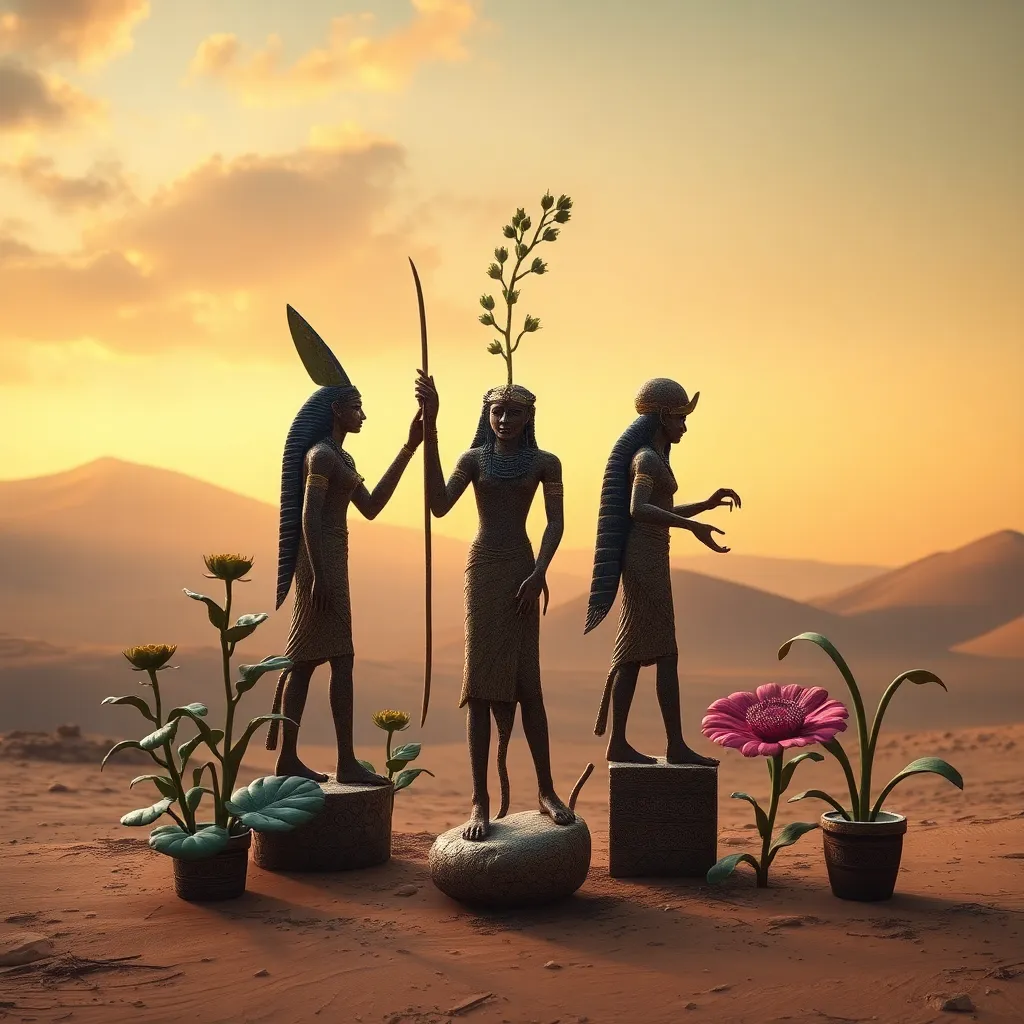
The Importance of Sacred Plants in Egyptian Art
Introduction
Egyptian art is a profound expression of the values, beliefs, and cultural identity of ancient Egyptian civilization. It served not only as a means of aesthetic expression but also as a vehicle for religious and cultural storytelling. Among the many elements that permeate this art form, sacred plants hold a particularly significant place, symbolizing various aspects of life, death, and the divine. This article explores the importance of sacred plants in Egyptian art, highlighting their historical context, symbolism, artistic depictions, and their enduring legacy.
Historical Context of Sacred Plants in Ancient Egypt
Ancient Egyptian civilization flourished along the banks of the Nile, where nature played a central role in daily life and spiritual beliefs. The fertile land supported a rich tapestry of flora, which the Egyptians revered. Sacred plants were intertwined with their understanding of the world around them, embodying both practical and spiritual significance.
Among the most revered sacred plants were:
- Papyrus: Symbol of creation and rebirth, often associated with the god Osiris.
- Lotus: Represented purity, beauty, and the cycle of life, closely linked to the sun god Ra.
- Sycamore: Seen as a protective tree, associated with the goddess Hathor and the afterlife.
Symbolism of Sacred Plants in Egyptian Culture
The symbolism attributed to sacred plants in ancient Egypt was rich and multifaceted. Each plant held unique meanings that were often woven into the fabric of religious beliefs and mythological narratives. For example:
- The lotus was not only a symbol of beauty but also associated with the sun, rebirth, and the divine emergence from chaos.
- The papyrus plant represented the duality of life and death, as it was used to create the first forms of writing, preserving the knowledge and legacy of the deceased.
- The sycamore tree offered shade and protection, embodying the nurturing aspects of femininity and motherhood.
These symbols found their way into religious texts, art, and architecture, creating a cohesive narrative that emphasized the connection between nature and the divine.
Depictions of Sacred Plants in Egyptian Art
Sacred plants were prominently represented in various forms of Egyptian art, from sculpture to paintings and pottery. Artists meticulously illustrated these plants, often embedding them with deeper meanings. Some notable examples include:
- Tomb Decorations: Many tombs featured intricate paintings of sacred plants, which were believed to aid the deceased in their journey to the afterlife.
- Temple Reliefs: Sacred plants adorned the walls of temples, symbolizing the presence of the gods and the connection to the divine.
- Sculptures: Statues and carvings often integrated sacred plants into their designs, enhancing the spiritual significance of the depicted figures.
These artistic representations not only showcased the beauty of the plants but also their integral role in the spiritual and daily life of the Egyptians.
Sacred Plants and Their Role in Religious Practices
Sacred plants were central to various rituals and ceremonies in ancient Egypt. They were used in offerings, religious rites, and healing practices. For instance:
- The lotus was often used in offerings to the gods, symbolizing purity and the divine connection.
- Papyrus was burned in rituals to create smoke that was believed to carry prayers to the heavens.
- In funerary practices, sycamore wood was used in coffins and sarcophagi, symbolizing protection and the afterlife.
This close relationship between sacred plants and religious practices underlines their significance in the spiritual life of ancient Egyptians, reflecting a worldview that saw the divine in nature.
The Influence of Sacred Plants on Artistic Techniques and Styles
The representation of sacred plants influenced artistic methods and styles throughout different periods of Egyptian art. Artists utilized various techniques to depict these plants, such as:
- Hieroglyphics: Sacred plants were often represented in hieroglyphic writing, symbolizing various concepts and ideologies.
- Color and Form: The vibrant colors and distinctive forms of sacred plants were emulated in paintings and reliefs, contributing to the overall aesthetic of Egyptian art.
- Architecture: Elements of sacred plants were incorporated into architectural designs, such as columns shaped like lotus flowers.
The artistic portrayal of these plants helped to establish a visual language that conveyed complex spiritual ideas and cultural values.
Legacy of Sacred Plants in Egyptian Art
The legacy of sacred plants in Egyptian art continues to inspire modern artists and scholars. Contemporary interpretations of ancient Egyptian art often draw on the rich symbolism and aesthetics of sacred plants. Their imagery appears in various forms, from fashion to fine art, reflecting a lasting appreciation for the cultural heritage of ancient Egypt.
Furthermore, the preservation of sacred plant imagery in museums and educational resources allows for ongoing exploration of their significance, ensuring that the connection between nature and spirituality remains a subject of interest.
Conclusion
In summary, sacred plants play a vital role in the art and culture of ancient Egypt. Their symbolic meanings, artistic representations, and connections to religious practices reveal a deep understanding of the relationship between nature and the divine. As we continue to study and appreciate Egyptian art, the legacy of these botanical elements enriches our understanding of an extraordinary civilization that saw the sacred in the natural world.