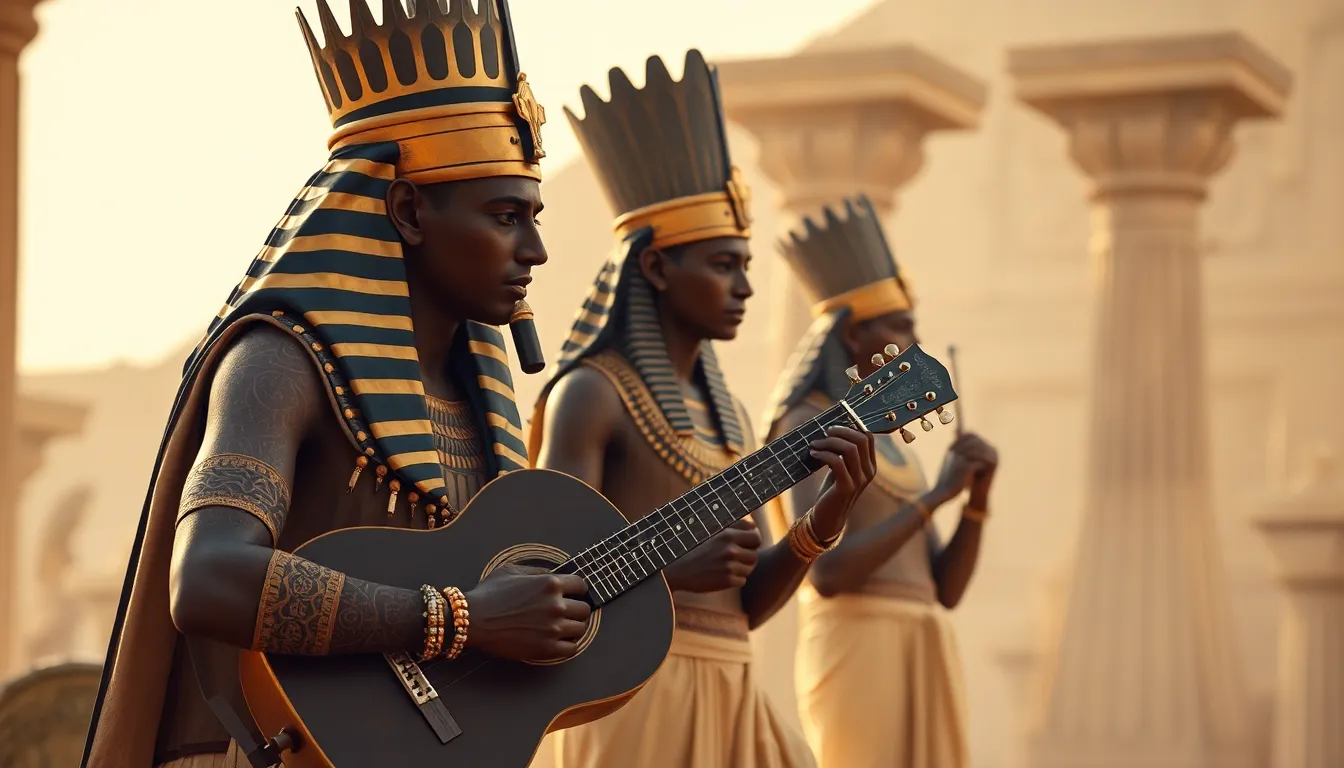
The Importance of Music in Egyptian Festivals
I. Introduction
Egyptian culture, with its rich tapestry woven from millennia of history, is renowned for its profound contributions to art, architecture, and spirituality. Central to this vibrant culture are the various festivals that celebrate religious, agricultural, and social events. These festivals not only mark significant occasions but also serve as a vital conduit for the expression of communal identity and heritage.
In the context of these celebrations, music plays an indispensable role. It is not merely an accompaniment to festivities; rather, it is the heartbeat that energizes and unites participants, weaving together the threads of history, tradition, and contemporary expression.
II. Historical Context of Music in Ancient Egypt
Music has been integral to Egyptian life since ancient times, deeply embedded in rituals, ceremonies, and daily life.
A. Music in ancient Egyptian rituals and ceremonies
In ancient Egypt, music was a key element in religious ceremonies and rituals. It was believed that music had the power to invoke the divine, making it essential for temple activities and celebrations. Priests, musicians, and dancers would perform elaborate pieces that were thought to please the gods and ensure harmony in the universe.
B. Instruments and musical styles used in ancient festivals
Traditional instruments such as the harp, lute, and various percussion instruments were commonly used. The unique sounds produced by these instruments helped define the musical landscape of ancient festivals, with distinct styles emerging based on the occasion.
C. Influence of music on religious practices and social gatherings
Music facilitated worship and community bonding. It brought people together, allowing for shared experiences that strengthened social ties. Festivals were often marked by communal singing and dancing, further enhancing the collective spirit.
III. Types of Music Traditionally Associated with Egyptian Festivals
A. Folk music and its regional variations
Folk music is a cornerstone of Egyptian festivals, showcasing the diverse cultural heritage of the country. Each region boasts its own styles and instruments, reflecting local customs and traditions.
B. Contemporary genres in festival settings
In modern times, genres such as pop, rock, and hip-hop have found their way into festival lineups, appealing to younger audiences while maintaining connections to traditional roots.
C. The fusion of traditional and modern music in celebrations
- Collaborations between traditional musicians and contemporary artists
- Innovative performances that blend different musical styles
- Efforts to keep traditional music alive while embracing new influences
IV. The Role of Music in Enhancing Festival Experiences
A. Creating atmosphere and setting the mood
Music sets the tone for festivals, transforming public spaces into vibrant celebrations filled with joy and excitement. The rhythms and melodies evoke emotions and enhance the overall atmosphere.
B. Facilitating communal participation and interaction
Festivals encourage audience participation, with music serving as a catalyst for dancing, singing, and celebrating together. This communal aspect fosters a sense of belonging and shared experience.
C. Music as a means of storytelling and cultural expression
Through lyrics and melodies, music conveys the stories, values, and history of the Egyptian people. It is a powerful medium for passing down traditions and cultural narratives from one generation to the next.
V. Celebrating Diversity: Regional Variations in Festival Music
A. Differences in musical styles across Egypt’s regions
Egypt’s geographical diversity contributes to the rich variety of musical styles found in its festivals. From the Nubian rhythms in the south to the Bedouin sounds in the east, each region offers its own unique contributions.
B. The impact of local traditions on festival music
Local customs greatly influence the music performed during festivals. Traditional practices, instruments, and even attire often reflect the cultural heritage of specific areas.
C. Case studies of specific festivals and their unique musical elements
- Ramadan celebrations featuring spiritual songs and chants
- The Cairo International Song Festival showcasing diverse genres
- The Abu Simbel Sun Festival, blending ancient traditions with modern performances
VI. Music as a Reflection of Social and Political Change
A. How music has evolved in response to societal shifts
Throughout history, music has mirrored the social and political landscapes of Egypt. Changes in government, society, and culture have influenced musical styles and themes.
B. The role of music in contemporary protests and movements
In recent years, music has become a powerful tool for activism. Songs of resistance and hope have emerged during protests, uniting people in their quest for change.
C. Music’s influence on national identity during festivals
Festivals often celebrate national pride, with music playing a crucial role in expressing collective identity. Traditional songs and contemporary anthems alike contribute to a sense of unity and belonging.
VII. The Future of Music in Egyptian Festivals
A. The integration of technology and new media in performances
As technology advances, performances at festivals are evolving. New media, digital instruments, and visual effects are being incorporated, creating immersive experiences for attendees.
B. Preservation of traditional music amidst globalization
While globalization poses challenges, efforts are being made to preserve traditional music. Festivals often feature workshops and educational programs to teach younger generations about their cultural heritage.
C. Opportunities for emerging artists and genres
The festival scene in Egypt is increasingly welcoming to new artists and genres. This openness fosters innovation and encourages a dynamic musical landscape that blends the old with the new.
VIII. Conclusion
In summary, music is a vital component of Egyptian festivals, enriching the cultural experience and fostering community spirit. As Egypt continues to evolve, the role of music in celebrating its heritage remains significant. The ongoing relevance of music as a means of cultural expression and identity underscores its importance in both historical and contemporary contexts.
Ultimately, music not only enhances celebrations but also serves as a powerful reminder of the shared history and values that unite the Egyptian people.