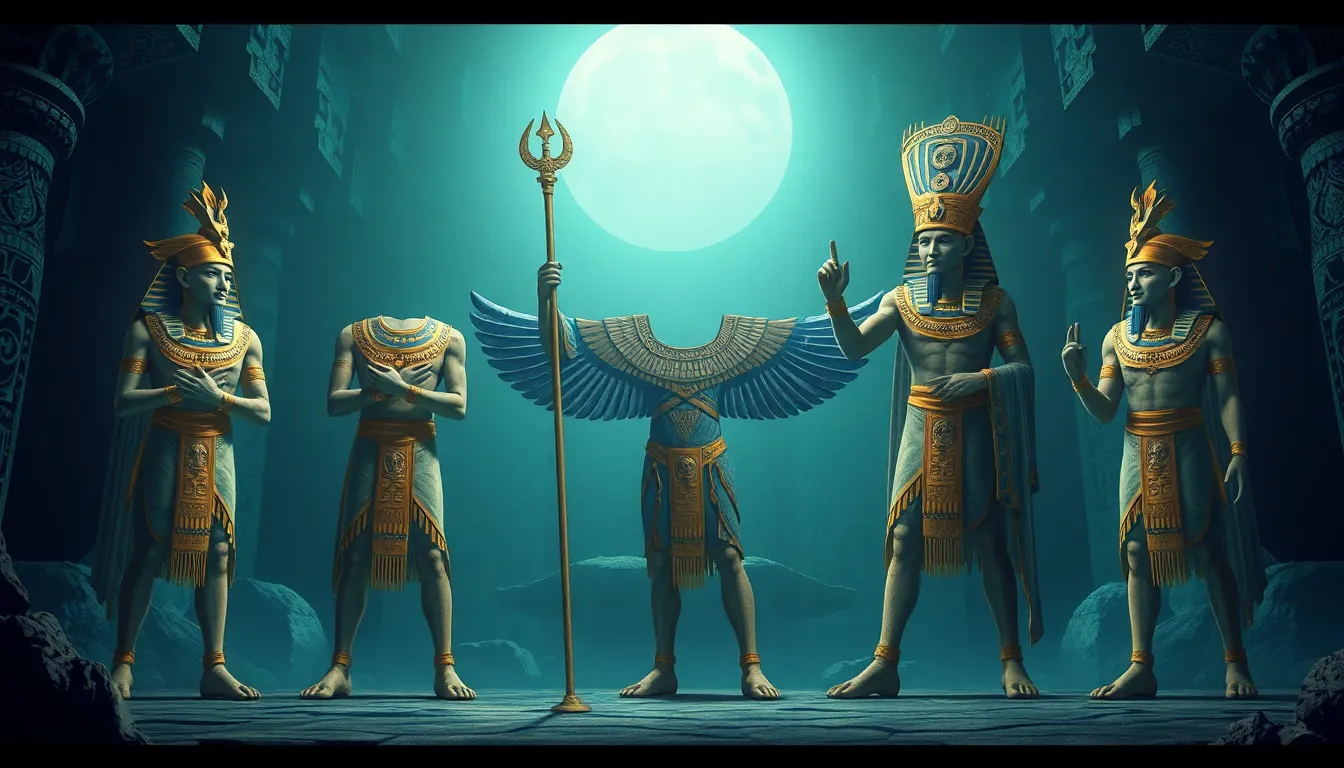
The Guardians of the Underworld: Protective Deities in the Afterlife
I. Introduction
Throughout history, various cultures have revered protective deities—supernatural beings that safeguard souls as they transition from life to the afterlife. These deities play a pivotal role in shaping human understanding of death and what lies beyond. The concept of the afterlife is deeply embedded in human belief systems, influencing rituals, art, and social structures.
This article explores the guardians of the underworld, focusing on their significance in different cultures, the roles they play, and the rituals associated with them.
II. Historical Context of Afterlife Beliefs
The belief in an afterlife has evolved significantly across civilizations. Early human societies often viewed death as a mystery, with many attributing natural phenomena to the influence of otherworldly forces. As civilizations progressed, more structured beliefs emerged regarding the afterlife, often depicted in their mythologies.
Mythology has been instrumental in shaping how various cultures perceive death and the afterlife. Key cultures with notable underworld deities include:
- Ancient Egyptian
- Greek
- Hindu
- Sumerian
- Norse
III. Major Protective Deities of the Underworld
A. Anubis: The Egyptian Guide of the Dead
Anubis, the ancient Egyptian god of mummification and the afterlife, is often depicted with the head of a jackal. He is responsible for guiding souls to the afterlife and overseeing the weighing of the heart ceremony.
- Anubis’ role in mummification: Anubis was believed to protect the dead and ensure their proper burial, preventing their bodies from decaying.
- Symbolism and iconography: Anubis is commonly represented in art with a black jackal head, symbolizing regeneration and the fertile soil of the Nile.
B. Hades: The Greek God of the Underworld
Hades, the god of the underworld in Greek mythology, is often portrayed as a stern figure. He rules over the realm where souls reside after death, ensuring order and justice.
- Overview of Hades’ character: Hades is not evil but a necessary figure who maintains balance in the afterlife.
- The significance of Persephone: Hades’ abduction of Persephone represents the cycle of seasons and the duality of life and death.
C. Yama: The Hindu Lord of Death
In Hinduism, Yama is the god of death, responsible for guiding souls to their next life based on their karma. He is depicted as a dark figure riding a buffalo.
- Yama’s role in guiding souls: Yama assesses the deeds of the deceased, determining their fate in the cycle of reincarnation.
- Cultural practices associated with Yama: Various rituals, such as offerings during the festival of Pitru Paksha, honor deceased ancestors and seek Yama’s blessings.
IV. Lesser-Known Guardians and Their Significance
A. Ereshkigal: The Sumerian Queen of the Underworld
Ereshkigal, the Sumerian goddess, embodies the duality of life and death. As the ruler of the underworld, she governs the realm of the dead.
- Ereshkigal’s duality: She represents both the end of life and the nurturing aspect of death, emphasizing the cycle of regeneration.
B. Hel: The Norse Goddess of the Underworld
In Norse mythology, Hel presides over the realm of the same name, where those who did not die a heroic death go. She is depicted as half alive and half dead, symbolizing her connection to both life and the afterlife.
- Hel’s role in Norse mythology: She is a guardian of the underworld, ensuring that the dead are treated with respect.
C. Other regional deities and spirits
Various cultures have their own regional deities and spirits associated with the underworld, each embodying unique characteristics and functions within their mythologies.
V. The Role of Rituals and Offerings
Rituals play a crucial role in appeasing the guardians of the underworld, ensuring safe passage for the deceased. Various cultures have developed specific practices to honor these deities.
- Importance of rituals: Rituals serve to honor the dead and seek the favor of protective deities.
- Offerings made to deities: These may include food, drink, or symbolic items placed in graves or altars to ensure protection and sustenance in the afterlife.
Case studies of rituals from different cultures illustrate the diversity of practices aimed at honoring underworld guardians.
VI. Symbolism and Representation in Art and Literature
Art and literature have long depicted protective deities, reflecting their significance in various cultures.
- Depictions in ancient art: Statues, carvings, and paintings often portray these deities in ways that highlight their protective roles.
- Literary representations: Myths and stories serve to communicate the values and beliefs surrounding death and the afterlife.
- Modern interpretations: Contemporary art and literature continue to draw inspiration from these ancient figures, adapting their stories for new audiences.
VII. Contemporary Beliefs and Practices
Today, many modern spiritual practices still relate to the concepts of underworld deities, reflecting a resurgence of interest in ancient beliefs.
- Modern spiritual practices: Some individuals incorporate elements of these ancient beliefs into their spiritual practices, seeking guidance from protective deities.
- Influence on current afterlife concepts: Ancient beliefs continue to shape contemporary views on death and what follows.
- Popular culture: Movies, books, and television shows often reference these deities, showcasing their lasting impact on modern storytelling.
VIII. Conclusion
The guardians of the underworld serve as essential protective deities across various cultures, embodying humanity’s complex relationship with death and the afterlife. Their significance transcends time, influencing rituals, artistic representations, and contemporary beliefs. Understanding these figures offers insight into how different cultures navigate the mysteries of life and death, revealing shared human experiences in the face of mortality.