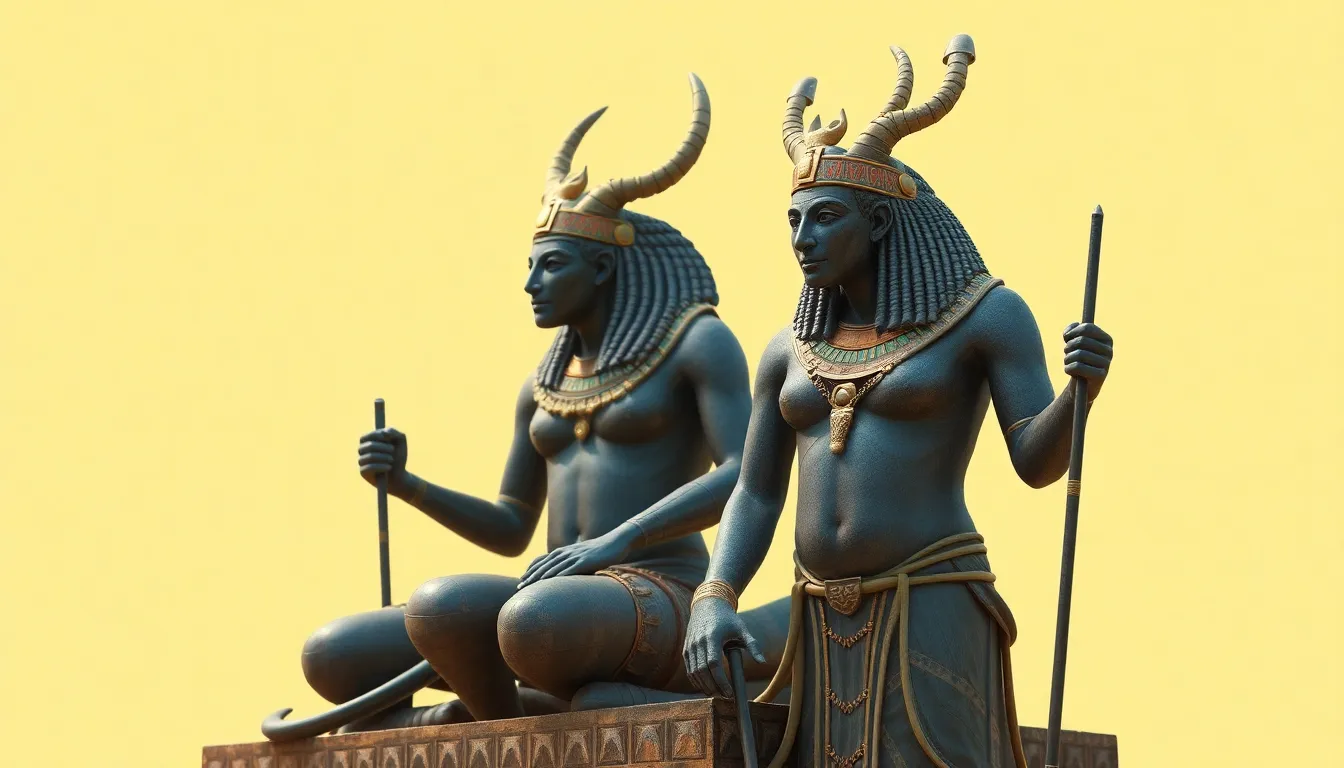
The Guardians of Fertility: Protective Deities in Agriculture and Birth
I. Introduction to Fertility Deities
Fertility deities are divine figures that symbolize the power of procreation, growth, and abundance. These deities hold significant importance in various cultures, representing not only human reproduction but also the fertility of the land. In agricultural societies, the connection between the earth’s fertility and human birth has been a profound source of reverence and worship. This article explores the historical context, major fertility deities, symbols and rituals associated with fertility, and the contemporary relevance of these ancient beliefs.
II. Historical Context of Fertility Worship
The worship of fertility deities can be traced back to ancient agricultural societies, where the success of crops directly influenced survival and prosperity. Communities relied heavily on the earth’s fertility, which led to the emergence of various beliefs and rituals aimed at ensuring bountiful harvests and healthy offspring.
Over time, fertility rituals evolved, incorporating elements of agricultural cycles, seasonal changes, and human life stages. Key civilizations known for their devotion to fertility deities include:
- The Ancient Egyptians, who revered gods like Osiris and Isis.
- The Greeks, with Demeter representing the harvest.
- The Romans, who worshipped Ceres, the goddess of agriculture.
III. Major Fertility Deities Across Cultures
Across different cultures, numerous fertility gods and goddesses have emerged, each embodying unique attributes and significance:

A. Overview of prominent fertility gods and goddesses
- Demeter (Greek): The goddess of grain and the harvest, Demeter represents the cycle of life and death, linking agricultural fertility with human sustenance.
- Ceres (Roman): The Roman counterpart of Demeter, Ceres is associated with the growth of crops and maternal nurturing, emphasizing the bond between agriculture and motherhood.
- Oshun (Yoruba): A goddess of water, fertility, and love in Yoruba mythology, Oshun is revered for her ability to provide abundance and prosperity, especially in agricultural contexts.
B. Lesser-known fertility figures and their significance
In addition to well-known deities, many cultures feature lesser-known fertility figures, each holding significance in local traditions and practices. For example, in Slavic mythology, the goddess Mokosh is associated with fertility, weaving, and the earth.
C. Comparative analysis of different cultures’ deities
While fertility deities share common themes of growth and abundance, their representations and associated myths vary significantly across cultures. For instance, while Demeter and Ceres focus on grain and harvest, Oshun highlights the importance of water and emotional connections in fertility.
IV. Symbols and Rituals Associated with Fertility
Fertility symbols and rituals play a crucial role in connecting communities to their agricultural roots and reproductive health. Common symbols include:
- Fertility figures: Statues or carvings representing female forms, often symbolizing abundance and motherhood.
- Seeds and grains: Representing growth and potential, these items are often used in rituals to invoke fertility.
- Water: A symbol of life, water is frequently associated with fertility and is central to various rituals.
A. Common symbols of fertility in agriculture
In agricultural societies, symbols like the ear of corn or the sheaf of wheat are not only representations of crops but also serve as metaphors for fertility and growth, linking the earth’s bounty to human life.
B. Ritual practices aimed at invoking fertility
Rituals dedicated to fertility often occur at specific times of the year or life stages:
- Planting festivals: Celebrations that mark the beginning of the planting season, often involving offerings to fertility deities for a successful harvest.
- Rites of passage for childbirth: Ceremonies that honor the transition into motherhood, seeking blessings and protection for both the mother and child.
C. The role of offerings and sacrifices
Offerings and sacrifices to fertility deities are common practices aimed at gaining favor and ensuring abundance. These may include food, flowers, or even livestock, depending on cultural traditions.
V. The Intersection of Agriculture and Birth
The connection between agriculture and childbirth is deeply woven into the fabric of many cultures. Agricultural cycles often mirror the stages of human reproduction, creating a narrative that emphasizes the importance of both fertility in farming and the continuity of life.
A. Parallels between agricultural cycles and human reproduction
Just as the earth undergoes cycles of planting, growth, and harvest, human life also follows a cycle of conception, gestation, and birth. This parallel has led to the development of myths and stories that link these two fundamental aspects of existence.
B. Myths and stories linking fertility in farming and childbirth
Many cultures have myths that illustrate the deep connection between agricultural fertility and human reproduction. For instance, the story of Demeter and Persephone in Greek mythology symbolizes the seasonal cycle of growth and the maternal bond.
C. Cultural narratives that highlight this connection
Cultural narratives often celebrate the duality of fertility, portraying it as a vital force that sustains both the land and humanity. Festivals that honor both agricultural and maternal fertility highlight this interconnectedness.
VI. Contemporary Relevance of Fertility Deities
In recent years, there has been a resurgence of interest in ancient practices and beliefs surrounding fertility. Many people are looking to reconnect with these traditions as a way to understand their cultural identity and enhance their agricultural practices.
A. The resurgence of interest in ancient practices
As society becomes more aware of the environmental impacts of modern agriculture, there is a growing interest in organic farming and sustainability, which often incorporates elements of ancient fertility rituals.
B. Modern interpretations and adaptations of fertility rituals
Contemporary interpretations of fertility rituals often blend traditional practices with modern values, creating new forms of celebration that resonate with today’s societal norms.
C. Impact on contemporary agricultural practices and organic farming
The principles of respecting the earth and its cycles, as emphasized by ancient fertility deities, are being integrated into modern organic farming methods, promoting sustainability and environmental stewardship.
VII. Challenges and Critiques of Fertility Worship
Despite the reverence for fertility deities, there are challenges and critiques surrounding their worship in contemporary contexts.
A. Gender roles and the portrayal of fertility deities
Many fertility deities are portrayed with traditional gender roles that can perpetuate stereotypes about women’s roles in society. This has led to discussions about the need for a more equitable representation of gender in mythology.
B. Critiques of cultural appropriation in modern fertility rituals
As modern practitioners adopt rituals from various cultures, there is a growing concern about cultural appropriation and the misrepresentation of these traditions, emphasizing the need for respectful engagement with cultural practices.
C. Balancing traditional beliefs with contemporary values
Finding harmony between honoring traditional beliefs and adapting to contemporary values poses a challenge for many communities, necessitating a thoughtful approach to the integration of ancient practices into modern life.
VIII. Conclusion and Reflection
In summary, fertility deities play a crucial role in the cultural narratives surrounding agriculture and human reproduction. These divine figures symbolize the interconnectedness of life and the earth, reminding us of the importance of fertility in both realms.
The enduring significance of fertility deities in today’s society reflects our ongoing relationship with nature, agriculture, and the cycle of life. As we move forward, it is essential to acknowledge and respect the cultural identities that these deities represent, fostering a deeper understanding of our shared heritage.
Ultimately, the connection between agriculture, birth, and cultural identity remains a vital aspect of human existence, inviting us to explore and honor the rich tapestry of beliefs that have shaped our world.