The Gift of Protection: Celebrating the Power of Sekhmet in the Festival
In the ancient Egyptian realm, where myths intertwined with everyday life, the lioness goddess Sekhmet held a powerful place. This fierce and protective deity was not just a symbol of strength and power but also a vital force in safeguarding the well-being of humanity. The festival dedicated to Sekhmet was a time of celebration, reverence, and appeasement, a testament to the enduring power of this formidable goddess.
1. The Fierce Lioness: Sekhmet’s Role in Egyptian Mythology
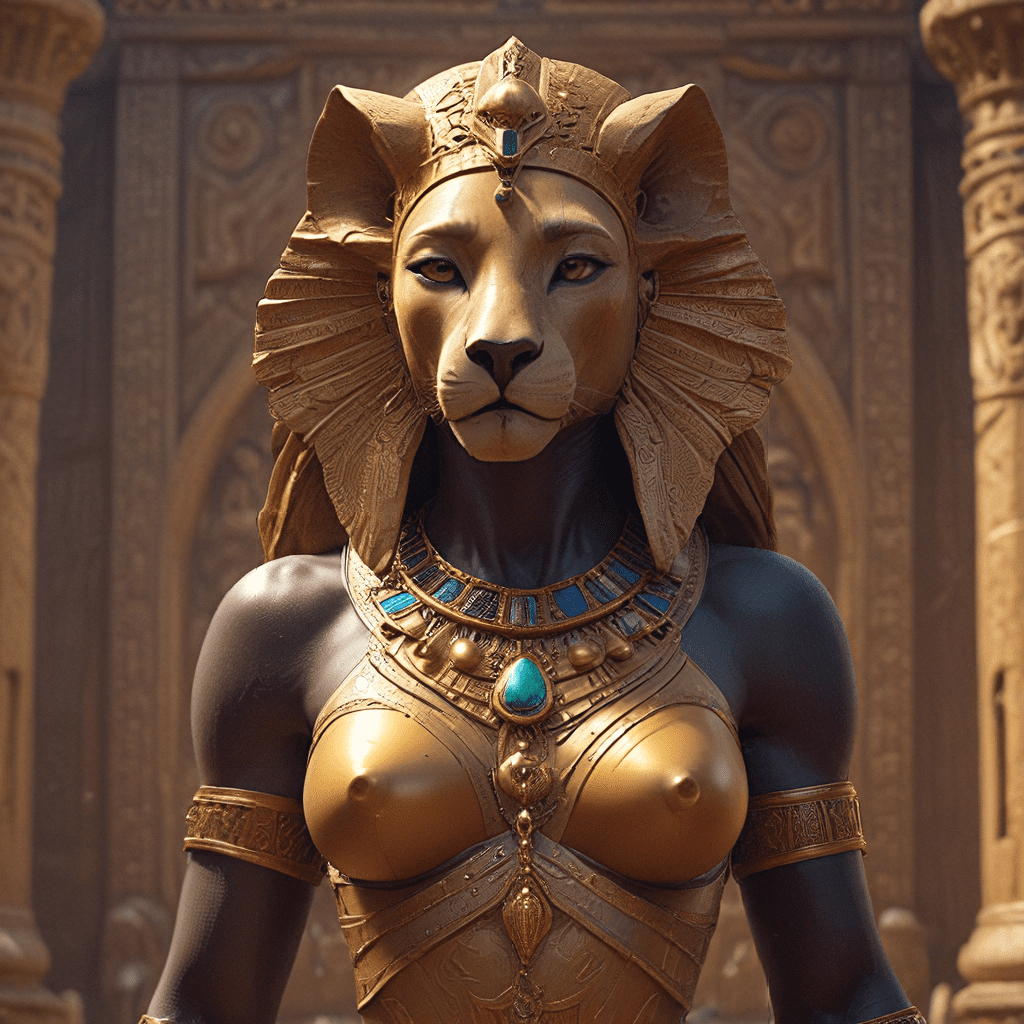
Sekhmet, the fierce lioness goddess, was a prominent figure in Egyptian mythology. Her name, “Sekhmet,” translates to “the powerful one,” reflecting her role as a fierce and protective force. She was often depicted as a woman with a lion’s head, her powerful presence radiating both awe and fear. This dual nature—ferocity and protection—made her a complex and fascinating deity.
Sekhmet was not merely a symbol of strength but also a protector of the pharaoh, a champion of justice, and a fierce fighter against evil. She was believed to be the embodiment of the sun god Ra’s fiery wrath, capable of striking down enemies with a single glance. This powerful presence made her a formidable force to be reckoned with, inspiring both respect and fear among the ancient Egyptians.
2. The Sun God’s Fury: Ra’s Wrath and the Birth of Sekhmet
The ancient Egyptians believed in a world governed by a complex web of divine forces, and the sun god Ra was considered the supreme deity. Ra’s power was absolute, and his wrath was a force to be feared. When humanity rebelled against the rule of Ra, the sun god’s fury boiled over. From his rage, a powerful warrior goddess emerged: Sekhmet.
Sekhmet was born from Ra’s fiery wrath, embodying his desire to punish the rebellious humans. She was sent forth to destroy those who dared to defy the divine order, her fierce nature perfectly mirroring Ra’s anger. The birth of Sekhmet from the rage of the sun god highlighted the immense power of Ra and the destructive force that could emerge from unchecked anger.
3. The Plague of Blood: Sekhmet’s Role in Ending the Rebellion
Sekhmet’s mission was to quell the rebellion against Ra, and she did so with terrifying efficiency. She unleashed a deadly plague upon humanity, her rage manifesting as a blood-red storm. The plague ravaged the land, and its victims perished in droves. Sekhmet’s ferocity, a reflection of Ra’s wrath, was a powerful reminder of the consequences of defying the divine.
The plague of blood was a devastating event, highlighting Sekhmet’s destructive power. But it was also a necessary consequence, a divine punishment that restored order to the world. The plague serves as a potent reminder of the importance of respect for the divine and the consequences of defying the established order.
4. The Festival of the Lioness: A Celebration of Power and Protection
To honor Sekhmet’s role in restoring order and safeguarding humanity, the ancient Egyptians held a grand festival dedicated to the lioness goddess. This festival, known as the Festival of Sekhmet, was a time of celebration, reverence, and appeasement. The festival was a multifaceted affair, involving rituals, offerings, and sacrifices, all aimed at honoring the powerful goddess. The festival was a testament to the importance of Sekhmet in the lives of the ancient Egyptians.
The festival would take place during the annual flooding of the Nile River, a time of abundance and renewal. This timing was symbolic, reflecting Sekhmet’s role as a protective force, ensuring the fertility of the land and the well-being of the people. The festival was crucial for maintaining harmony and balance in the divine and human realms, ensuring the continued protection of Sekhmet.
5. The Rituals of Appeasement: Offering and Sacrifice to Sekhmet
The rituals of the Festival of Sekhmet were designed to appease the powerful goddess, ensuring her continued favor and protection. The centerpiece of the festival was the offering of sacrifices, including animals and precious objects. These gifts were seen as a way to honor Sekhmet’s power and appease her fierce nature. The presence of the pharaoh in the rituals was crucial, highlighting the importance of Sekhmet’s role in safeguarding the ruler.
The priests would perform elaborate rituals, reciting hymns and prayers, seeking to appease the goddess and secure her protection. Offerings of food, wine, and incense were presented to Sekhmet, representing the gratitude of the people. The act of giving, whether through sacrifice or offering, was intended to maintain the balance and harmony between the human and the divine.
6. The Myth of the Beer: Soothing Sekhmet’s Rage
The story of Sekhmet’s rage is a powerful reminder of the destructiveness of anger. To prevent the lioness goddess from continuing her rampage, the gods devised a plan to pacify her. They created a vast amount of red beer, staining it with red ochre to mimic blood. They then spread this red beer throughout the land, hoping to deceive Sekhmet into believing she had already sated her thirst for blood.
The myth of the beer is a symbolic narrative about the power of deception and the importance of appeasing anger. The red beer, representing blood, was a clever ruse to trick Sekhmet, and it ultimately succeeded. This story highlights the role of appeasement in ensuring peace and balance in the divine realm.
7. The Power of the Lioness: Sekhmet’s Symbolism and Representation
Sekhmet’s symbolism was deep and multifaceted, reflecting her multifaceted role in Egyptian mythology. She was often depicted as a woman with a lion’s head, her powerful presence radiating both awe and fear. The lion, with its strength, ferocity, and regal bearing, was a symbol of power and protection in ancient Egypt.
The lioness, with its fierce maternal instincts, was seen as a protector of the vulnerable, a fierce champion against evil. Sekhmet’s iconography reflected these qualities, making her a multifaceted and powerful figure. Her image was often incorporated into amulets and jewelry, intended to provide protection and ward off evil.
8. Sekhmet’s Legacy: The Goddess of Healing and Protection
Despite her fierce nature, Sekhmet was also associated with healing and protection. This dual nature, reminiscent of the duality of the lion—powerful and protective—made her a complex and fascinating figure. Her fierce nature was seen as a force for good, capable of protecting the innocent and punishing the guilty.
Over time, Sekhmet’s role as a healer became more prominent. She was seen as a protector of women and children, a guardian against disease and illness. This shift in her portrayal reflects the evolving needs of the people and their desire to reconcile Sekhmet’s fiery nature with her inherent protective qualities.
9. The Modern Relevance: Sekhmet’s Influence in Society and Culture
The enduring power of Sekhmet continues to resonate in modern society and culture. Her image has been adopted by contemporary artists, writers, and musicians, inspired by her strength and determination. Sekhmet’s story is a reminder of the power of female deities and the importance of acknowledging the complexities of human nature, embracing both our strength and our vulnerability.
Sekhmet’s influence can be seen in various forms of contemporary art and entertainment. She is a popular figure in fantasy literature and video games, representing the power and ferocity of the lioness. This ongoing fascination with Sekhmet is a testament to her enduring power and her ability to inspire across generations.
10. Conclusion: The Enduring Power of the Lioness Goddess
Sekhmet, the fierce lioness goddess, is a powerful symbol of protection and strength in Egyptian mythology. Her story is a reminder of the complex nature of the divine, encompassing both power and compassion. By understanding the story of Sekhmet, we gain a deeper appreciation for the ancient Egyptians’ beliefs and their reverence for the natural world and its powerful forces. Even today, Sekhmet’s image and story continue to inspire, serving as a reminder of the importance of resilience, protection, and the enduring power of the feminine divine.