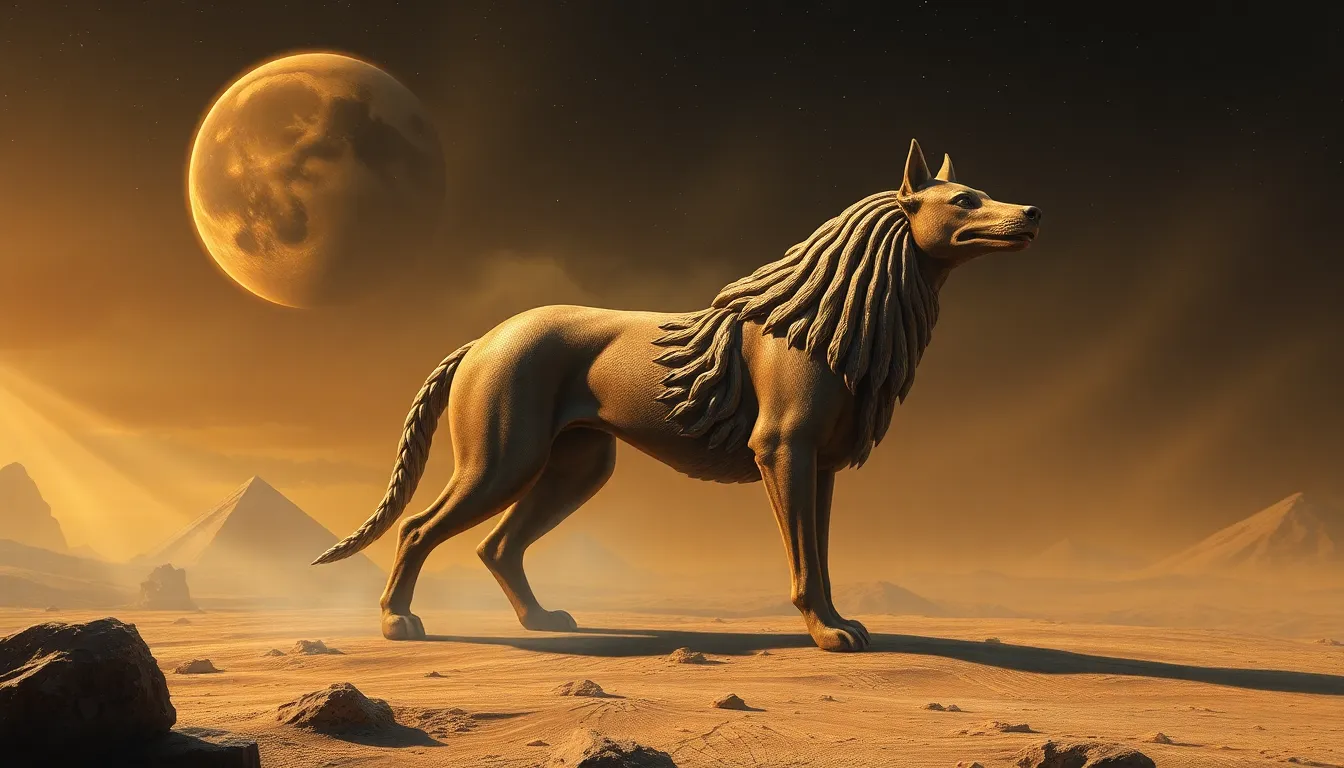
The Geography of the Sacred Hound: Myths of the Underworld
I. Introduction
The Sacred Hound has been a pivotal figure in various mythologies worldwide, symbolizing the connection between life and death. These mythical canines often serve as guardians, guides, and protectors in the realms of the afterlife. The Underworld, a common theme across cultures, holds profound significance in understanding human existence, mortality, and the journey of the soul. This article aims to explore the concept of the Underworld, the role of the Sacred Hound within it, and the geographic and cultural narratives that shape these timeless myths.
II. The Concept of the Underworld Across Cultures
The Underworld, in many cultures, is viewed as a realm where souls journey after death. It serves as a place of judgment, rest, or torment, and the beliefs surrounding it reflect societal values and fears.
A. Definition and significance of the Underworld
The Underworld is often defined as the spiritual domain where the dead reside. Its significance includes:
- Providing a framework for understanding mortality.
- Offering a space for moral reckoning.
- Reflecting cultural attitudes towards death and the afterlife.
B. Comparative analysis of Underworld beliefs in different cultures
Different cultures have unique interpretations of the Underworld. For example:
- In Greek mythology, the Underworld is ruled by Hades, with the river Styx serving as a boundary.
- In Egyptian mythology, Duat is the realm of the dead, overseen by Osiris and guarded by Anubis.
- In Norse mythology, Hel is the realm for those who did not die a heroic death, ruled by the goddess Hel.
C. The role of the Sacred Hound in these mythologies
In many of these narratives, the Sacred Hound plays a crucial role as a guide for souls navigating the Afterlife. They symbolize loyalty, protection, and the transition between worlds.
III. The Sacred Hound in Mythology
Among the most prominent Sacred Hounds in mythology are Cerberus from Greek mythology and Anubis from Egyptian mythology.
A. Overview of prominent Sacred Hounds
- Cerberus: The three-headed dog that guards the gates of the Underworld in Greek mythology, preventing the living from entering and the dead from escaping.
- Anubis: The jackal-headed god of mummification and the afterlife in Egyptian mythology, known as the protector of graves and guide for souls.
B. Symbolism and attributes of the Sacred Hound
The Sacred Hound is often associated with various attributes, including:
- Guardianship of the threshold between life and death.
- Symbol of loyalty and protection.
- Facilitator of the soul’s journey and transformation.
C. The Hound as a guide and protector of souls
These mythical dogs are viewed as protectors of the deceased, ensuring safe passage through the Underworld and guarding against malevolent spirits.
IV. Geographic Locations Associated with Underworld Myths
Many cultures have specific geographic locations tied to their Underworld myths, which serve as symbolic gateways to the afterlife.
A. Notable locations linked to Underworld myths
- Acheron River: In Greek mythology, this river is known as the “River of Woe” and is one of the five rivers of the Underworld.
- Duat: The Egyptian Underworld where souls undergo judgment, featuring various landscapes and challenges.
B. The significance of these locations in their respective mythologies
These locations are often depicted as places of transition, where the boundaries between the world of the living and the dead blur. They are essential in the journey of souls and the narratives surrounding them.
C. Cartographic representations of the Underworld
Ancient maps and artistic representations often illustrate these Underworlds, providing insight into how cultures envisioned the afterlife. Such maps serve both a symbolic and practical purpose in guiding the deceased.
V. The Sacred Hound’s Role in Transition and Transformation
The journey of the soul through the Underworld is one of the most critical aspects of these mythologies, with the Sacred Hound acting as a pivotal guide.
A. The journey of the soul and the Hound’s guidance
In many myths, the Sacred Hound helps souls navigate the challenges of the Underworld, ensuring they reach their final resting place peacefully.
B. Myths that illustrate the transition between life and death
- In Greek myths, the story of Orpheus and Eurydice highlights the trials souls face in the Underworld.
- In Egyptian lore, the weighing of the heart against the feather of Ma’at illustrates the moral judgment souls undergo.
C. The Hound as a symbol of both fear and comfort
While Sacred Hounds can evoke fear due to their association with death, they also provide comfort by ensuring safe passage, embodying the duality of death as both an end and a transition.
VI. Cultural Interpretations of the Sacred Hound
The Sacred Hound has influenced various cultural expressions over the centuries.
A. Artistic depictions in ancient and modern cultures
Art has long represented Sacred Hounds, from ancient sculptures to modern illustrations, showcasing their importance in cultural narratives.
B. Literature and storytelling featuring the Sacred Hound
Literature often features Sacred Hounds, highlighting their roles in guiding characters through trials related to death and the Afterlife.
C. The evolution of the Sacred Hound’s symbolism through time
Over time, the symbolism of the Sacred Hound has evolved, reflecting changing beliefs about death, loyalty, and protection.
VII. Contemporary Relevance of Underworld Myths
Ancient beliefs continue to resonate in modern spirituality and popular culture.
A. The impact of ancient beliefs on modern spirituality
Many people still draw upon ancient myths to understand death and the afterlife, finding comfort in the narratives of guidance and protection.
B. The Sacred Hound in popular culture (films, books, games)
From movies like “Harry Potter” featuring the three-headed dog Fluffy to various video games, the Sacred Hound remains a prominent symbol in contemporary storytelling.
C. Ongoing interpretations of death and the afterlife
Modern interpretations of death often reflect ancient beliefs, emphasizing the continuity of life and the journey of the soul.
VIII. Conclusion
The Sacred Hound serves as a powerful symbol across various mythologies, embodying the complexities of death and the afterlife. By examining the myths surrounding these guardians of the Underworld, we gain insight into cultural perceptions of mortality and the transition between worlds. These narratives remind us of the enduring nature of such myths and invite us to explore our personal and cultural connections to these sacred symbols.