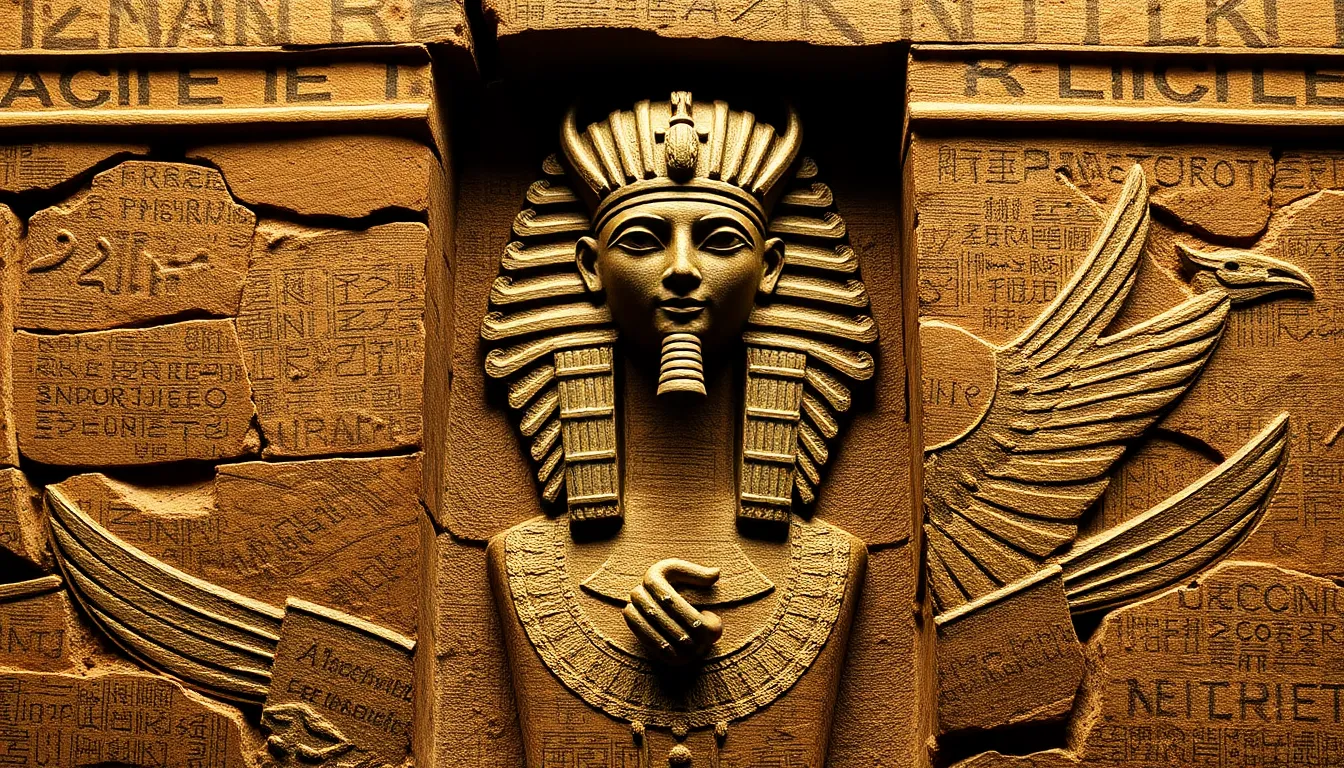
The Funerary Practices of Ancient Egypt: A Textual Approach
I. Introduction
Ancient Egyptian culture is one of the most fascinating and enduring civilizations in human history. Its complex social structures, rich mythology, and remarkable achievements in art and architecture continue to captivate scholars and enthusiasts alike. Among the myriad aspects of this culture, funerary practices hold a significant place, reflecting the Egyptians’ deep beliefs about life, death, and the afterlife.
The importance of funerary practices in Ancient Egyptian society cannot be overstated. These rituals were not merely about disposing of the dead; they were elaborate ceremonies that ensured the deceased’s safe passage to the afterlife and their continued existence in the realm of the living. Understanding these practices through a textual approach allows us to gain insights into the religious and cultural values of the time, positioning funerary customs as a crucial element of Ancient Egyptian identity.
II. Historical Context of Ancient Egyptian Funerary Practices
Funerary customs in Ancient Egypt evolved significantly over the course of its long history, spanning from the Early Dynastic Period (c. 3100 BCE) through the Ptolemaic Period (c. 30 BCE). Each dynasty introduced new beliefs and practices that reflected the changing socio-political landscape.
- Early Dynastic Period: The emergence of mastabas as burial structures marked the beginning of formalized funerary practices.
- Old Kingdom (c. 2686–2181 BCE): The construction of the pyramids symbolized the divine status of the pharaohs and the belief in their immortality.
- Middle Kingdom (c. 2055–1650 BCE): The introduction of more personal tombs and the Coffin Texts reflected a shift toward individual beliefs about the afterlife.
- New Kingdom (c. 1550–1070 BCE): Elaborate tombs in the Valley of the Kings and the widespread use of the Book of the Dead marked the peak of funerary practices.
Religion and mythology heavily influenced these burial practices. The Egyptians believed in a pantheon of gods and the importance of rituals to appease them, ensuring a successful journey to the afterlife. Socio-political factors, such as the rise of the pharaohs and the structure of society, also played a critical role, as the funerary rites of the elite often differed significantly from those of commoners.
III. Key Textual Sources on Funerary Practices
Several key texts provide invaluable insights into Ancient Egyptian funerary practices, each contributing to our understanding of their beliefs about death and the afterlife.
- The Pyramid Texts: These are the oldest religious texts in the world, inscribed in the pyramids of the Old Kingdom. They contain spells and incantations designed to protect the deceased and guide them through the afterlife.
- The Coffin Texts: Emerging in the Middle Kingdom, these texts expanded on the themes found in the Pyramid Texts, offering a more personalized guide to the afterlife. They include spells and illustrations that reflect the individual’s journey after death.
- The Book of the Dead: This New Kingdom compilation of spells served as a practical guide for the deceased, helping them navigate the trials of the afterlife. It emphasizes the importance of moral conduct and the judgment of the soul.
IV. Rituals and Procedures in Funerary Practices
Central to Ancient Egyptian funerary practices were the rituals and procedures that ensured proper treatment of the dead. The process of mummification and the customs surrounding burial were deeply rooted in their beliefs about preservation and the afterlife.
A. Mummification
Mummification was the primary method of preserving the body for the afterlife. The process involved:
- Removing internal organs, which were preserved separately.
- Drying the body with natron, a natural salt, to prevent decay.
- Wrapping the body in linen, often with amulets and charms for protection.
The belief was that preserving the body was essential for the soul’s survival in the afterlife.
B. Burial Customs
Burial customs varied significantly but included:
- Tomb construction, ranging from simple graves to elaborate pyramids.
- Burial goods, such as jewelry, food, and personal items, to accompany the deceased.
- Offerings made at the tomb to nourish the deceased in the afterlife.
C. The Role of Priests and the Community
The community played a vital role in funerary rites. Priests conducted the necessary ceremonies, including the Opening of the Mouth ritual, which was believed to restore the deceased’s senses. The participation of family and friends underscored the social aspect of these rituals, highlighting the collective memory and reverence for the deceased.
V. Symbolism and Beliefs Related to Death and the Afterlife
Ancient Egyptians held complex beliefs regarding death and the afterlife, which were deeply symbolic.
A. The Concept of the Soul
They believed in multiple aspects of the soul, including:
- Ka: The life force that needed sustenance.
- Ba: The personality that could travel between the living and the dead.
- Akhu: The transfigured spirit that achieved immortality.
B. Symbols in Funerary Texts
Various symbols were prevalent in funerary texts and artifacts, such as:
- The Ankh, symbolizing life.
- The Eye of Horus, representing protection.
- Scarabs, signifying rebirth and transformation.
C. The Significance of the Afterlife
The afterlife was of paramount importance in Ancient Egyptian religion. It was viewed as a continuation of life on Earth, where the deceased could enjoy eternal happiness. The belief in judgment by Osiris, where the heart was weighed against the feather of Ma’at, underscored the moral dimensions of their beliefs.
VI. Regional Variations in Funerary Practices
Funerary practices varied widely across different regions of Ancient Egypt, influenced by local customs and beliefs.
A. Differences Across Regions
In Upper Egypt, tombs were often cut into rock, while Lower Egypt favored mudbrick structures. Each region had unique deities and local practices that shaped their rituals.
B. Impact of Geography
The Nile’s geography influenced burial practices, with proximity to the river affecting the types of materials available for tomb construction and the goods included in burials.
C. Notable Examples
Famous tombs, such as that of Tutankhamun, reveal the wealth of artifacts and inscriptions that reflect the regional practices and beliefs of their time.
VII. Archaeological Findings and Their Textual Interpretations
Recent archaeological discoveries have illuminated many aspects of funerary practices, providing a tangible connection to the texts.
A. Recent Discoveries
Excavations in the Valley of the Kings and other sites have uncovered numerous artifacts, from elaborate sarcophagi to everyday items, all of which serve to enhance our understanding of the texts.
B. Artifacts and Ancient Texts
The relationship between archaeological findings and ancient texts is crucial for interpreting these practices. Artifacts often corroborate the rituals described in religious texts, shedding light on their significance.
C. Challenges in Interpretation
However, challenges remain in interpreting these practices, as the cultural context and meanings can be elusive, often requiring a multidisciplinary approach to fully understand.
VIII. Conclusion
In summary, the textual approach to Ancient Egyptian funerary practices provides a rich tapestry of insights into their cultural and religious beliefs. From the early mastabas to the intricate tombs of the New Kingdom, these practices reveal a civilization deeply concerned with the afterlife and the preservation of identity beyond death.
The lasting impact of Ancient Egyptian funerary practices can be seen in modern culture, influencing literature, art, and popular perceptions of death and the afterlife. Further research and exploration in this field promise to unveil even more about this remarkable civilization’s beliefs and customs.
</