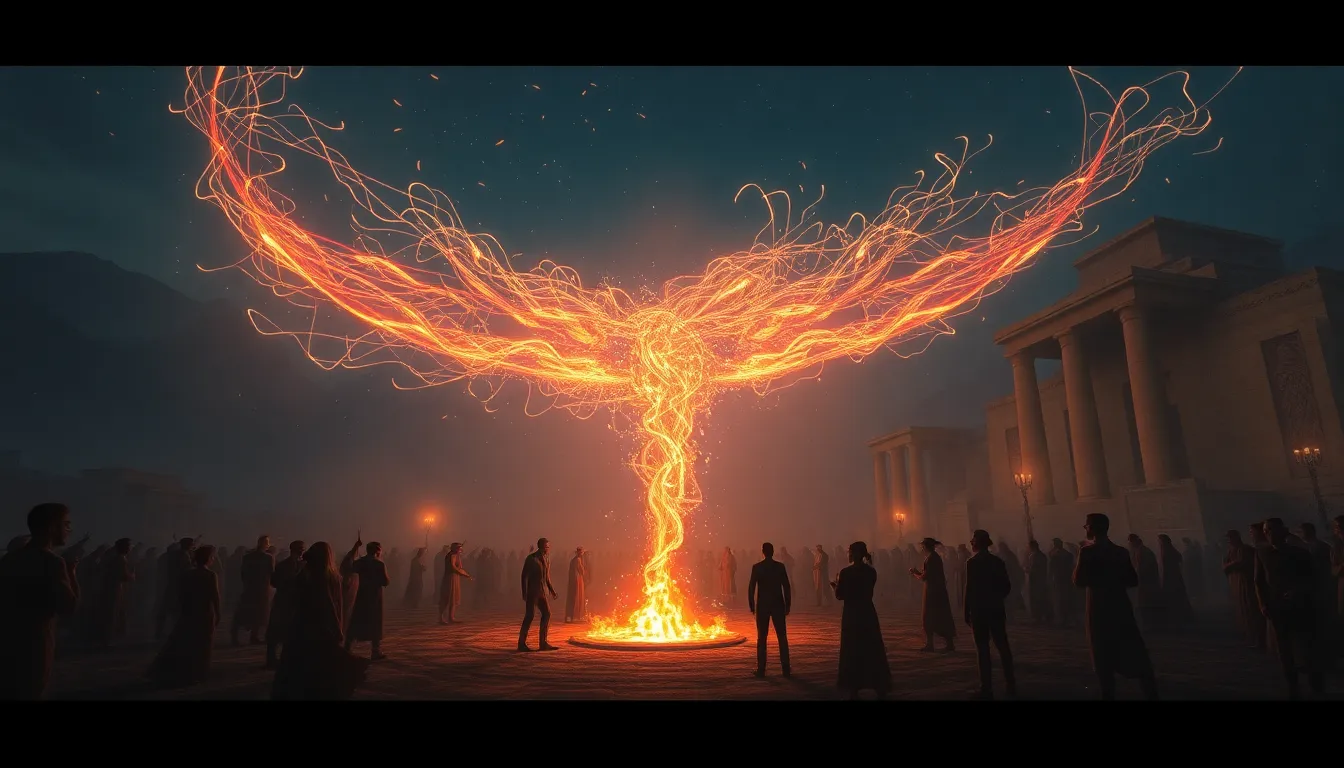
The Festival of the Sacred Wind: Breath of Creation
I. Introduction to the Festival
The Festival of the Sacred Wind is a profound celebration that honors the essence of breath and the vital forces of nature. This festival holds significant cultural and spiritual importance, drawing individuals together to reflect on the interconnectedness of all living beings. Its origins can be traced back to ancient times, where the Sacred Wind was revered as a divine element responsible for life and creation.
Historically, the festival has its roots in various mythologies, where the wind was often seen as a messenger of the gods, carrying vital energy and blessings. The purpose of the celebration is to honor this elemental force, promote community spirit, and encourage reflection on the themes of renewal, life, and the cyclical nature of existence.
II. The Mythology Behind the Sacred Wind
Numerous legends and stories surround the Sacred Wind in Egyptian mythology. One prevalent tale speaks of the god Khnum, who shaped humanity from clay and breathed life into his creations using the divine wind. This act of breathing symbolizes the essence of life and the connection between the creator and the created.
In various cultures, breath is a powerful symbol of life, spirit, and consciousness. For instance, in many indigenous traditions, the act of breathing is seen as a sacred practice that connects the individual to the universe. The wind is often regarded as a carrier of prayers and intentions, emphasizing its importance in spiritual practices.
The role of wind in creation myths extends beyond Egyptian mythology. Many cultures have stories that highlight how the winds brought forth life, created the landscapes, and shaped the destinies of people. This universal theme underscores the significance of the Sacred Wind as a life-giving force.
III. Festival Preparations and Rituals
In the lead-up to the Festival of the Sacred Wind, the community comes together to plan and organize various activities. This collaborative effort fosters a sense of belonging and unity among participants. Volunteers gather to create decorations and prepare spaces for the festivities.
- Traditional Crafts: Artisans create beautiful wind chimes, banners, and sculptures that symbolize the wind’s movement and energy.
- Decorations: The festival spaces are adorned with colors and elements representing the air, such as feathers, flowing fabrics, and translucent materials that sway with the breeze.
Rituals leading up to the festival include communal gatherings where participants share their intentions and prayers for the celebration. These practices create a collective consciousness that amplifies the festival’s spiritual significance.
IV. Main Events of the Festival
The Festival of the Sacred Wind features a variety of events that engage participants in the celebration of breath and life.
A. Opening Ceremonies and Processions
The festival begins with a grand opening ceremony, where participants gather to honor the Sacred Wind through prayers and songs. A procession follows, with participants dressed in flowing garments that represent the wind.
B. Performances: Music, Dance, and Storytelling
Performances play a central role in the festival, featuring:
- Music: Local musicians perform traditional songs that celebrate the wind and its significance.
- Dance: Dance troupes showcase movements that mimic the flowing and swirling nature of the wind.
- Storytelling: Elders recount myths and legends associated with the Sacred Wind, passing down wisdom to younger generations.
C. Workshops and Educational Sessions on the Significance of Breath
Workshops focus on the importance of breath in various spiritual practices and its connection to well-being. Participants learn techniques such as breathwork, meditation, and mindfulness, emphasizing the sacredness of breathing.
V. Culinary Traditions of the Festival
Food plays a vital role in the Festival of the Sacred Wind, with special dishes prepared to honor the elements.
A. Special Dishes and Their Meanings
Some traditional dishes include:
- Wind Bread: A light, airy bread symbolizing the essence of the wind.
- Breath of Life Soup: A nourishing soup made with local vegetables and herbs, representing vitality.
B. The Role of Food in the Celebration of the Sacred Wind
Food serves as a medium for sharing and connection, with meals bringing communities together. Each dish is prepared with intention, reflecting gratitude for the nourishment provided by the earth and air.
C. Community Feasts and Sharing of Meals
During the festival, communal feasts take place where participants share meals, stories, and laughter, reinforcing the bonds of community and shared experience.
VI. Environmental Connection and Sustainability
The Festival of the Sacred Wind emphasizes the importance of nature and the elements, encouraging participants to reconnect with the environment.
A. The Festival’s Emphasis on Nature and the Elements
Activities during the festival often include nature walks, where participants can experience the beauty of the natural world and reflect on their relationship with it.
B. Initiatives for Environmental Awareness During the Festival
Organizers promote sustainability through various initiatives:
- Encouraging the use of biodegradable materials.
- Hosting workshops on environmental stewardship.
- Implementing recycling programs to minimize waste.
C. The Impact of the Festival on Local Ecosystems
By fostering awareness and appreciation for the environment, the festival contributes positively to local ecosystems, encouraging conservation efforts and sustainable practices.
VII. Personal Reflections and Spiritual Significance
The Festival of the Sacred Wind offers individuals a space for personal reflection and spiritual growth.
A. Individual Experiences and Transformative Moments
Many participants report transformative experiences during the festival, where they connect deeply with the essence of breath and the wind, leading to personal insights and growth.
B. The Festival as a Time for Meditation and Introspection
Quiet spaces are designated for meditation, allowing participants to reflect on their lives and intentions, fostering a sense of peace and connection to the universe.
C. Testimonials from Participants and Organizers
Testimonials reveal the profound impact of the festival on individuals’ lives, with many expressing a renewed sense of purpose and connection to the community and nature.
VIII. Conclusion and Future of the Festival
The Festival of the Sacred Wind remains a vital celebration in contemporary society, reminding us of our interconnectedness and the importance of recognizing the life force that breathes through all beings.
A. Recap of the Festival’s Importance in Contemporary Society
As society continues to evolve, the festival offers a grounding experience that encourages reflection on our relationship with nature and each other.
B. Challenges and Opportunities for Future Celebrations
While the festival faces challenges such as environmental changes and urbanization, there are also opportunities for growth and outreach, expanding its reach and impact.
C. Encouraging Participation and Awareness in Future Festivals
By fostering awareness and encouraging participation, the Festival of the Sacred Wind can continue to thrive, inspiring future generations to honor the breath of creation.