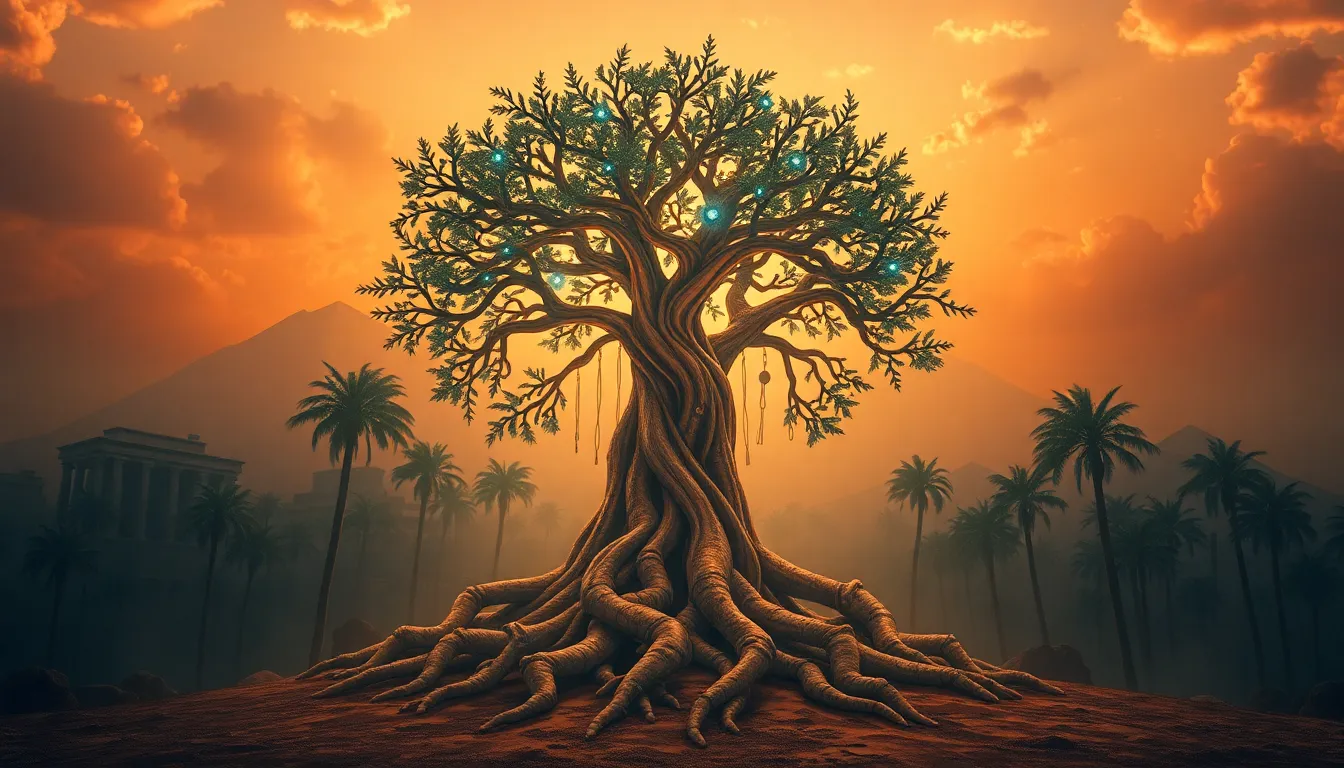
The Festival of the Sacred Tree: Roots of Heritage
I. Introduction
The Festival of the Sacred Tree is a vibrant celebration that honors the deep-rooted significance of trees in various cultures. This festival serves as a reminder of the interconnectedness of nature, culture, and spirituality, emphasizing the role of trees as symbols of life and growth.
Trees have been revered throughout history, representing wisdom, protection, and sustenance. This article will explore the historical origins, symbolism, cultural practices, contemporary celebrations, environmental significance, and challenges faced by the Festival of the Sacred Tree.
II. Historical Origins of the Festival
The roots of the Festival of the Sacred Tree can be traced back to ancient civilizations, where trees were often considered sacred. In many cultures, specific trees were believed to be the dwelling places of gods or spirits.
Over time, the festival has evolved, influenced by various cultural practices and beliefs. Key historical events, such as the rise of agricultural societies and the establishment of spiritual traditions, played a significant role in shaping the observance of this festival.
- In ancient Egypt, the sycamore tree was associated with the goddess Hathor, representing nourishment and motherhood.
- The Celts honored sacred groves and held rituals to celebrate the changing seasons.
- In Hinduism, the Peepal tree is considered sacred, symbolizing the eternal cycle of life.
III. Symbolism of the Sacred Tree
The symbolism of the sacred tree varies across cultures, but its essence as a symbol of life and growth remains constant. Trees are often seen as a bridge between the earthly and the divine.
In many mythologies and folklores, trees embody strength, resilience, and the passage of time. They are frequently depicted as guardians of knowledge and wisdom.
- The World Tree, or Yggdrasil, in Norse mythology connects the nine worlds and symbolizes the universe’s structure.
- The Bodhi tree in Buddhism represents enlightenment and the path to spiritual awakening.
- In Native American cultures, the Tree of Life is a powerful symbol of interconnectedness among all living beings.
IV. Cultural Practices and Rituals
Traditional ceremonies associated with the Festival of the Sacred Tree vary widely, but they often include rituals that express gratitude and reverence for nature. Common practices may involve:
- Planting new trees or caring for existing ones as a symbol of continuity.
- Gathering around sacred trees to share stories, music, and dance.
- Creating art or crafts that reflect the beauty and significance of trees.
Community involvement is crucial during the festival, as it fosters a sense of belonging and collective responsibility towards nature. People of all ages participate in various activities, from storytelling to artistic expressions, celebrating their connection to the sacred tree.
V. Contemporary Celebrations
Today, the Festival of the Sacred Tree is celebrated in diverse ways across different regions and communities. Some key aspects of contemporary celebrations include:
- Local festivals featuring music, dance, and art that highlight the beauty of trees.
- Workshops and educational programs focused on environmental awareness and conservation.
- Online campaigns and social media initiatives that promote the festival and its values.
The role of technology has transformed how people engage with the festival, allowing for broader participation and the sharing of experiences globally.
VI. Environmental Significance
The Festival of the Sacred Tree is deeply intertwined with environmental conservation efforts. It emphasizes the importance of protecting sacred trees and forests, which are vital for maintaining ecological balance.
Various advocacy initiatives have emerged from the festival, aimed at raising awareness about deforestation, climate change, and biodiversity loss. Educational programs often focus on:
- The ecological benefits of trees, such as carbon sequestration and habitat provision.
- Promoting sustainable practices that ensure the health of natural ecosystems.
- Engaging communities in tree planting and conservation projects.
VII. Challenges and Preservation Efforts
Despite its rich heritage, the Festival of the Sacred Tree faces several challenges. Urbanization, climate change, and deforestation threaten sacred trees and the cultural practices surrounding them. To combat these threats, various organizations and communities are actively working to preserve this cultural heritage.
- Initiatives focused on reforestation and the protection of sacred groves.
- Collaborations with local governments and environmental organizations to promote sustainable land use.
- Raising awareness about the cultural and environmental importance of trees through educational campaigns.
VIII. Conclusion
The Festival of the Sacred Tree is a profound celebration of nature’s beauty and significance. It serves as a reminder of our responsibility to protect and cherish the environment and our cultural heritage. As we reflect on the importance of this festival, it is essential to embrace both cultural appreciation and environmental stewardship.
In today’s rapidly changing world, the relevance of the Festival of the Sacred Tree is more significant than ever. By participating in this festival and advocating for the preservation of sacred trees, we can contribute to a sustainable future for generations to come.