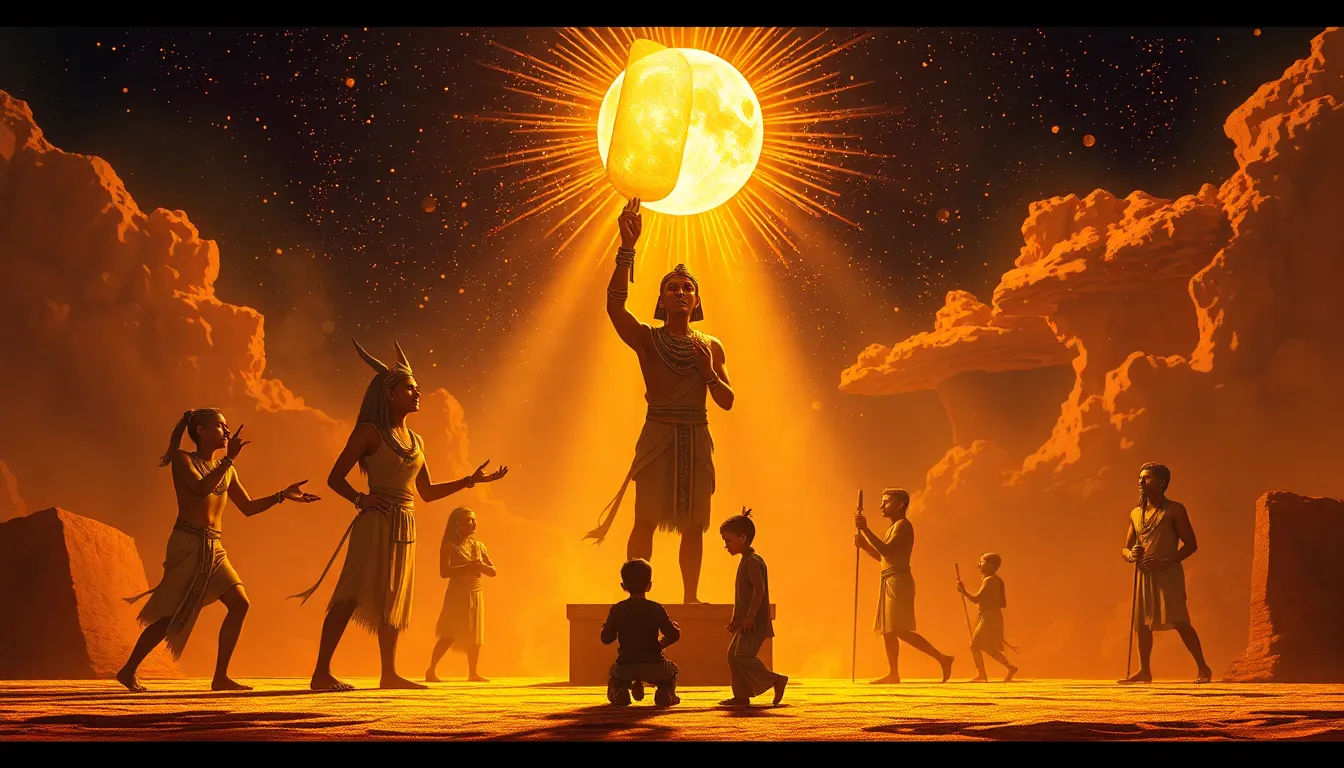
The Festival of the Sacred Song: Celebrating Unity
I. Introduction
The Festival of the Sacred Song is a vibrant celebration that brings together diverse communities through the power of music. This unique festival highlights the importance of unity among different cultures, showcasing how sacred music can transcend boundaries and foster understanding. In this article, we will explore the festival’s historical background, the significance of sacred music, the festival experience, community involvement, and the challenges it faces in the modern world.
II. Historical Background
The origins of the Festival of the Sacred Song can be traced back several decades, emerging from a desire to create a space where people of various backgrounds could come together to share their musical heritage. Initially, the festival was a small gathering of local musicians and singers, but as word spread, it gained popularity and evolved into a larger event that attracts participants from around the globe.
Over the years, the festival has seen significant growth and transformation. Key milestones include:
- The first official festival in 1985, which featured local artists and traditional music.
- The introduction of international acts in the 1990s, broadening the festival’s appeal.
- The establishment of workshops and educational programs in the early 2000s, aimed at engaging younger generations.
III. Significance of Sacred Music
Sacred music plays a vital role in cultural identity, serving as a bridge between generations and a means of expressing beliefs, values, and traditions. The spiritual and emotional impact of sacred songs can be profound, often evoking feelings of peace, joy, and connectedness among listeners.
Different cultures have their own sacred music traditions, some examples include:
- Gregorian Chant – A form of plainchant used in the Roman Catholic Church.
- Sufi Music – Known for its spiritual and mystical themes, often accompanied by dance.
- Native American Powwow Songs – Celebratory songs that honor heritage and community.
IV. The Festival Experience
The atmosphere of the Festival of the Sacred Song is electric, filled with the sounds of diverse musical traditions and the joyous energy of participants. Attendees are treated to a variety of performances, ranging from traditional chants to contemporary sacred music interpretations.
Activities and events during the festival include:
- Live performances on multiple stages featuring local and international artists.
- Workshops where participants can learn about different musical traditions.
- Panel discussions on the role of music in promoting unity and cultural understanding.
The festival encourages participation from both local and international artists, creating a rich tapestry of sounds and experiences that reflect the diversity of human expression.
V. Community Involvement
The role of local communities in organizing the festival is crucial. Volunteers, local businesses, and cultural organizations come together to create a welcoming environment for all attendees. This collaboration fosters a sense of ownership and pride within the community.
There are numerous volunteer opportunities available, ranging from assisting with event logistics to guiding participants in workshops. Community members are encouraged to engage actively, contributing to the festival’s success.
Testimonials from participants and attendees often highlight the festival’s impact. Many express how the event has allowed them to connect with others, learn about different cultures, and appreciate the beauty of sacred music:
- “The festival opened my eyes to music from around the world. It was a beautiful experience!”
- “I loved participating in the workshops. The community spirit was palpable.”
VI. Promoting Unity through Music
Sacred music has a unique ability to foster connections among diverse groups. It serves as a common language, allowing individuals from different backgrounds to come together in harmony. Throughout the festival, there have been numerous case studies of collaborative performances that exemplify this unity.
These collaborations not only showcase the beauty of music but also highlight the importance of social cohesion and understanding. The impact of such performances resonates beyond the festival, encouraging ongoing dialogue and relationships among participants.
VII. Challenges and Future Directions
Despite its success, the Festival of the Sacred Song faces challenges, particularly in recent years. Issues such as funding, the need for sustainable practices, and competition from other events can impact its growth and longevity.
To address these challenges, organizers are implementing strategies for sustainability and growth, including:
- Seeking partnerships with local businesses and cultural institutions to secure funding.
- Enhancing online engagement to reach a broader audience and increase participation.
- Implementing eco-friendly practices to minimize the festival’s environmental impact.
The vision for the future of the Festival of the Sacred Song is one of inclusivity and expansion, ensuring that it continues to be a platform for diverse voices and a celebration of unity through music.
VIII. Conclusion
In conclusion, the Festival of the Sacred Song is a significant event that showcases the power of music in promoting unity among diverse communities. It serves as a reminder of the shared human experience and the beauty of cultural expression.
We invite everyone to participate and support this festival, whether by attending, volunteering, or spreading the word. Together, we can celebrate the transformative power of music and its ability to bring us closer together.
Final thoughts: In a world that often feels divided, the Festival of the Sacred Song stands as a beacon of hope, illustrating how music can heal, connect, and inspire.