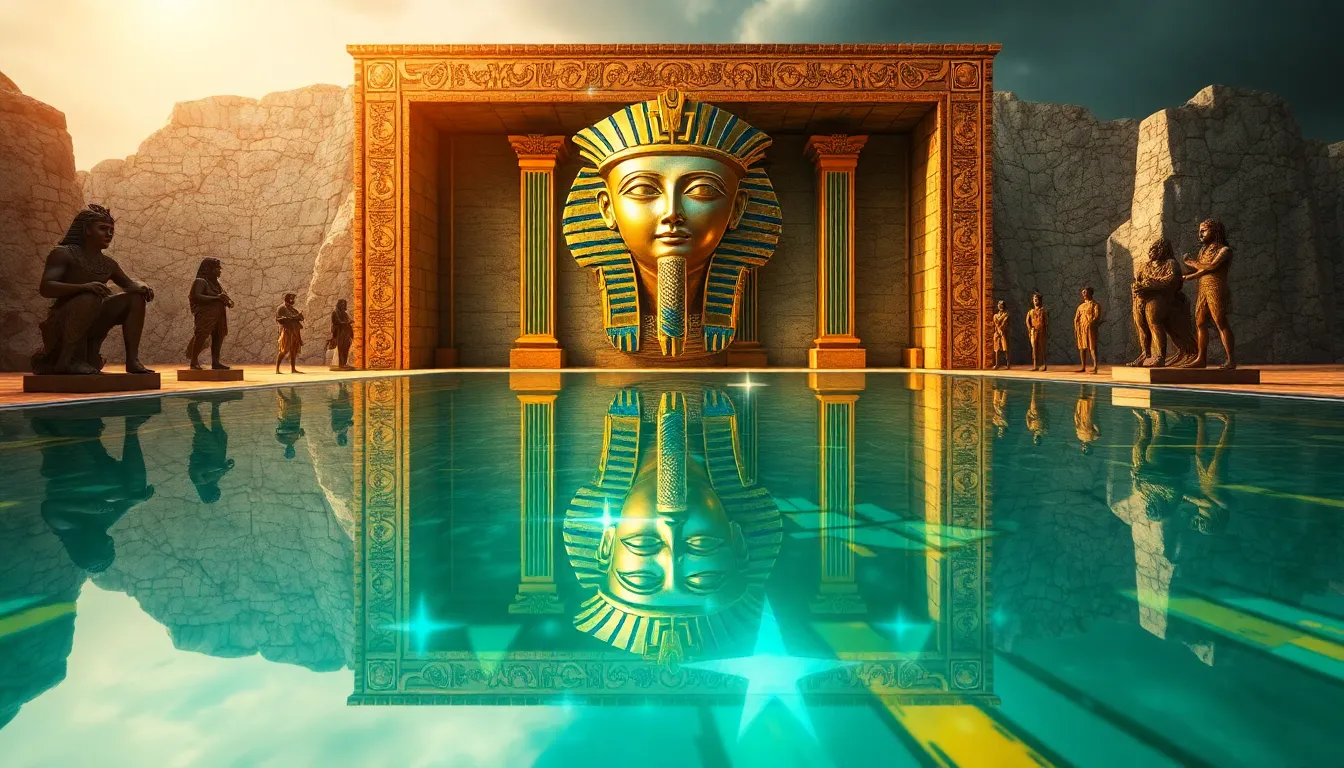
The Festival of the Sacred Mirror: Reflection of the Self
I. Introduction
The Festival of the Sacred Mirror is a profound celebration that invites participants to engage in self-reflection, exploring the depths of their identities and the significance of their inner worlds. This festival, rich in tradition and meaning, acts as a mirror not only literally but also metaphorically, encouraging individuals to examine their lives and beliefs.
Self-reflection holds significance across various cultures, serving as a tool for personal growth and societal harmony. In many traditions, the act of looking inward is seen as a pathway to wisdom, healing, and understanding. This article aims to explore the origins, symbolism, rituals, and modern relevance of the Festival of the Sacred Mirror, highlighting its importance in fostering personal and communal well-being.
II. Historical Background
A. Origins of the Festival: Myths and Legends
The Festival of the Sacred Mirror has roots in ancient Egyptian mythology, where mirrors were associated with the goddess Hathor, the deity of love, beauty, and joy. According to myth, Hathor used her mirror to reflect the true essence of the soul, allowing individuals to confront their inner truths.
B. Evolution of the festival over the years
Over the centuries, the festival has evolved, incorporating various cultural elements and practices. Originally a sacred rite performed by priests, it has transformed into a community celebration that attracts participants from diverse backgrounds.
C. Cultural influences and adaptations
As the festival spread, it absorbed influences from various cultures, including Greek, Roman, and later, contemporary practices that emphasize mindfulness and self-care. This blending of traditions has enriched the festival, making it a vibrant reflection of the evolving human experience.
III. Symbolism of the Sacred Mirror
A. The mirror as a metaphor for self-awareness
The sacred mirror symbolizes self-awareness and introspection. It serves as a reminder that to understand the world around us, we must first understand ourselves. The act of looking into a mirror becomes a spiritual exercise, prompting individuals to confront their beliefs, actions, and emotional states.
B. Cultural interpretations of reflection and identity
Various cultures interpret the concept of reflection differently:
- Eastern philosophies: Focus on inner peace and enlightenment through self-reflection.
- Western traditions: Often emphasize self-exploration and personal identity.
- African cultures: View reflection as a communal experience, where ancestral spirits guide individuals towards self-discovery.
C. The role of mirrors in spiritual practices
Mirrors are often utilized in spiritual practices as tools for meditation and guidance. They are believed to possess the power to reveal truths and foster clarity, making them essential in rituals aimed at personal transformation.
IV. Festival Traditions and Rituals
A. Key ceremonies and their meanings
The festival features various ceremonies designed to promote reflection and connection:
- Opening Ceremony: A ritual to honor the goddess Hathor, where participants light candles and offer prayers.
- Reflection Circles: Groups gather to share personal stories and insights, fostering a sense of community and understanding.
- Closing Ceremony: A celebration of personal growth, where participants express their intentions for the future.
B. Art and performances during the festival
Art plays a vital role in the festival, with performances that include:
- Dramatic reenactments of ancient myths
- Dance performances symbolizing the journey of self-discovery
- Art installations that encourage interaction and contemplation
C. Community involvement and participation
The festival thrives on community engagement, with local artists, musicians, and volunteers contributing to the festivities, creating an inclusive atmosphere that celebrates diversity and unity.
V. Personal Reflection and Growth
A. The importance of self-reflection in personal development
Self-reflection is crucial for personal growth, allowing individuals to learn from their experiences and evolve. During the festival, participants are encouraged to embrace introspection, gaining insights that can lead to transformative changes.
B. Activities and workshops promoting introspection
Throughout the festival, various activities and workshops are offered, including:
- Guided meditation sessions
- Creative writing workshops focused on self-exploration
- Art therapy sessions using mirrors as a focal point for reflection
C. Testimonials and experiences from participants
Many attendees share their experiences of personal growth and healing, often citing the festival as a pivotal moment in their lives where they gained clarity and direction.
VI. The Role of Art and Creativity
A. Artistic expressions showcased at the festival
The festival serves as a platform for artists to express their interpretations of self-reflection through various mediums, including:
- Visual art installations
- Performance art
- Interactive exhibits
B. The connection between creativity and self-reflection
Creative expression is often linked to self-discovery, allowing individuals to explore their emotions and thoughts in a tangible way. The festival encourages participants to harness their creativity as a form of reflection.
C. Collaborations between artists and attendees
Collaboration is a key aspect of the festival, with artists inviting attendees to engage in the creative process, fostering a sense of community and shared experience.
VII. Modern Relevance and Global Impact
A. How the festival resonates with contemporary issues
In today’s fast-paced world, the themes of the Festival of the Sacred Mirror resonate strongly with contemporary issues such as mental health, identity, and community cohesion. The festival serves as a reminder of the importance of taking time for self-exploration and understanding.
B. The festival’s influence on global mindfulness practices
As mindfulness practices gain popularity globally, the festival has become an integral part of the conversation around mental well-being, encouraging people to reflect on their lives and make conscious choices.
C. Community building and social cohesion through reflection
By promoting reflection and dialogue, the festival fosters social cohesion, bringing together individuals from different backgrounds to share their experiences and learn from one another.
VIII. Conclusion
In summary, the Festival of the Sacred Mirror serves as a powerful reminder of the importance of self-reflection in our lives. Through its rich history, profound symbolism, and community-oriented practices, the festival encourages participants to engage in introspection and personal growth.
As we navigate the complexities of modern life, embracing the spirit of reflection can lead to deeper understanding and connection with ourselves and others. We invite you to carry the essence of the Festival of the Sacred Mirror into your daily life, nurturing your journey of self-discovery and growth.