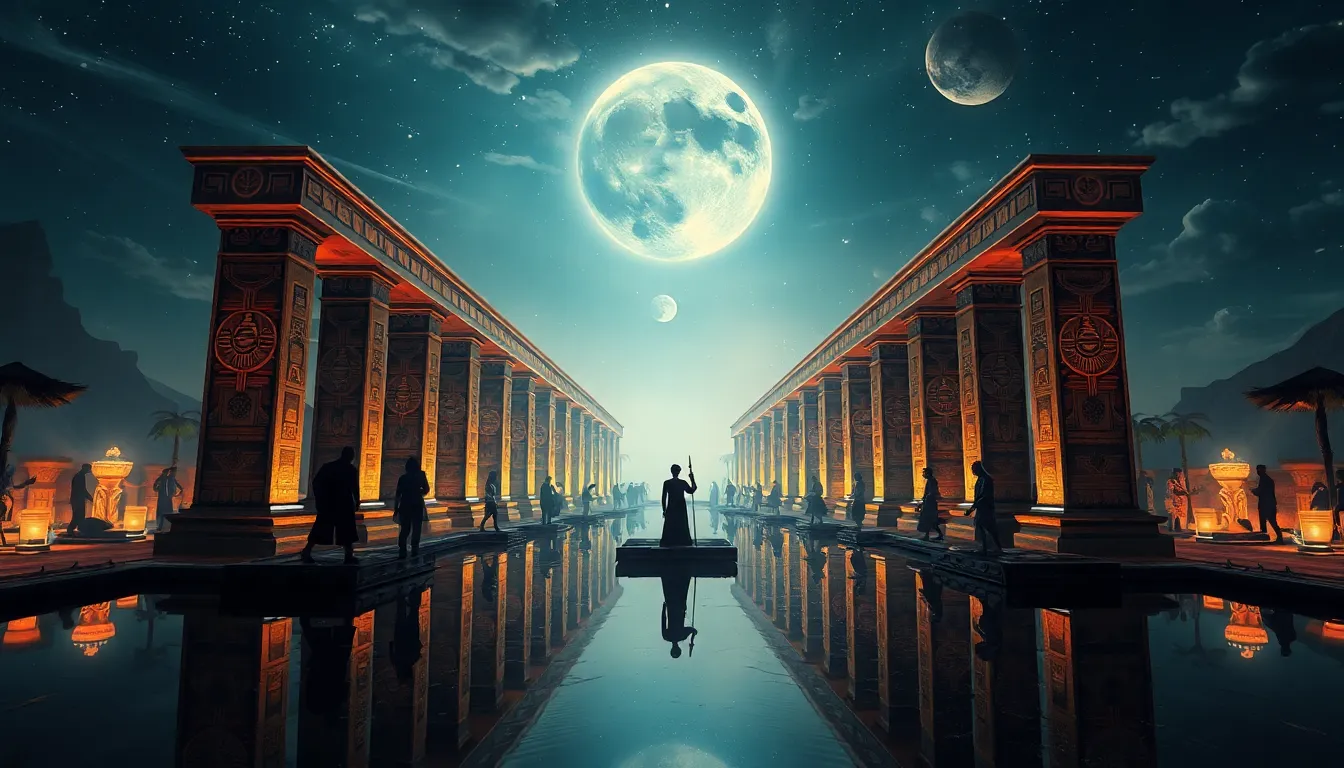
The Festival of the Sacred Mirror: Reflecting Society
I. Introduction
The Festival of the Sacred Mirror is a vibrant celebration that serves as a platform for self-reflection and societal critique. This annual festival brings together individuals from diverse backgrounds to engage in meaningful dialogue about identity, community, and environmental sustainability. In a world that often rushes past introspection, the festival serves as a vital reminder of the importance of reflection in society.
Through various activities, discussions, and performances, the festival encourages participants to examine their roles within the community and the broader world. This article aims to explore the historical origins of the festival, its symbolism, activities, themes, impact on society, and the challenges it faces in contemporary times.
II. Historical Origins of the Festival
The roots of the Festival of the Sacred Mirror can be traced back to ancient cultural practices that emphasized the importance of reflection, both literally and metaphorically. Various civilizations have revered mirrors as objects of beauty and tools for self-examination.
A. Cultural roots and significance
In many cultures, mirrors symbolize truth and enlightenment. The ancient Egyptians, for example, used polished metal mirrors as symbols of the divine, believing they could reflect not just the physical form but also the soul. The festival draws inspiration from these traditions, intertwining them with contemporary themes of social justice and identity.
B. Evolution of the festival through the years
Over the decades, the festival has evolved from a small gathering of local artists and thinkers into a large-scale event that attracts participants from around the globe. Initially celebrated in a single community, it has expanded to include numerous locations and has adapted to reflect current social issues.
C. Key figures in the establishment of the festival
Several visionary leaders and artists were instrumental in establishing the festival. They recognized the need for a platform that would allow for dialogue about pressing societal issues while celebrating cultural diversity. Their contributions helped shape the festival into a space where art and activism converge.
III. The Symbolism of the Sacred Mirror
The sacred mirror serves as a powerful symbol within the festival, embodying various meanings that resonate across different cultures.
A. Meaning of the mirror in various cultures
Mirrors have been viewed as portals to truth and self-awareness in many traditions:
- In Chinese culture, mirrors are believed to ward off evil spirits.
- In Hinduism, mirrors symbolize the reflection of the soul.
- In Western traditions, mirrors often represent vanity and self-obsession.
B. The mirror as a metaphor for self-reflection and societal critique
At the festival, the mirror serves not only as a literal object but also as a metaphor for self-reflection and societal critique. Participants are encouraged to look beyond their own reflections and consider the collective identity of their communities.
C. Artistic representations of the sacred mirror
Artists from diverse backgrounds contribute to the festival with installations and performances that explore the theme of the mirror. These artistic expressions challenge audiences to question their perceptions and engage with complex social narratives.
IV. Festival Activities and Traditions
The Festival of the Sacred Mirror is filled with a rich tapestry of activities and traditions designed to foster community engagement and artistic expression.
A. Key events and rituals during the festival
Some of the hallmark events of the festival include:
- Opening Ceremony: A grand procession featuring traditional music and dance.
- Workshops: Interactive sessions where participants can create their own reflective art.
- Panel Discussions: Thought-provoking conversations with activists and artists.
- Evening Performances: Live theater and music that challenge societal norms.
B. Role of community participation
Community participation is central to the festival’s success. Local artists, musicians, and performers contribute their talents, ensuring that the festival remains rooted in the community’s cultural fabric.
C. Influence of art and performance in the festivities
Art and performance play a crucial role in conveying the festival’s themes. They encourage participants to engage emotionally and intellectually, prompting deeper reflections on personal and societal issues.
V. Themes Explored at the Festival
The Festival of the Sacred Mirror delves into various themes that resonate with contemporary society.
A. Identity and self-perception
Participants are invited to explore their identities through art, dialogue, and performance, encouraging a deeper understanding of self in relation to others.
B. Social justice and inclusivity
The festival emphasizes the importance of social justice, promoting inclusivity and understanding among diverse communities.
C. Environmental consciousness and sustainability
As environmental issues gain prominence, the festival incorporates themes of sustainability, encouraging participants to reflect on their impact on the planet.
VI. The Festival’s Impact on Society
The Festival of the Sacred Mirror has a significant impact on both local and global communities.
A. Community engagement and empowerment
The festival empowers community members by providing a platform for their voices to be heard, fostering a sense of belonging and collective action.
B. Promoting dialogue and understanding
By facilitating conversations around important topics, the festival promotes dialogue and understanding among participants from different backgrounds.
C. Influence on local and global cultural practices
The festival’s success has inspired similar events worldwide, highlighting the universal relevance of reflection and community engagement.
VII. Challenges and Controversies
Despite its success, the festival faces several challenges and controversies that need to be addressed.
A. Criticisms of commercialization and cultural appropriation
As the festival grows, concerns about commercialization and cultural appropriation have emerged. Critics argue that the festival risks losing its authentic roots.
B. Balancing tradition with modern influences
Finding a balance between honoring traditional practices and incorporating modern influences poses a challenge for festival organizers.
C. Addressing social issues highlighted by the festival
The festival often shines a light on pressing social issues, which can provoke backlash from those uncomfortable with the discussions being held.
VIII. Conclusion
The Festival of the Sacred Mirror holds significant relevance in contemporary society, reminding us of the importance of reflection in our lives. By engaging with its rich history, vibrant activities, and crucial themes, participants can connect deeply with themselves and their communities.
As we look to the future, it is essential to support and participate in this festival, ensuring it continues to thrive and adapt to the changing societal landscape. The Festival of the Sacred Mirror invites everyone to reflect on their identities, engage in meaningful dialogue, and contribute to a more inclusive and sustainable world.