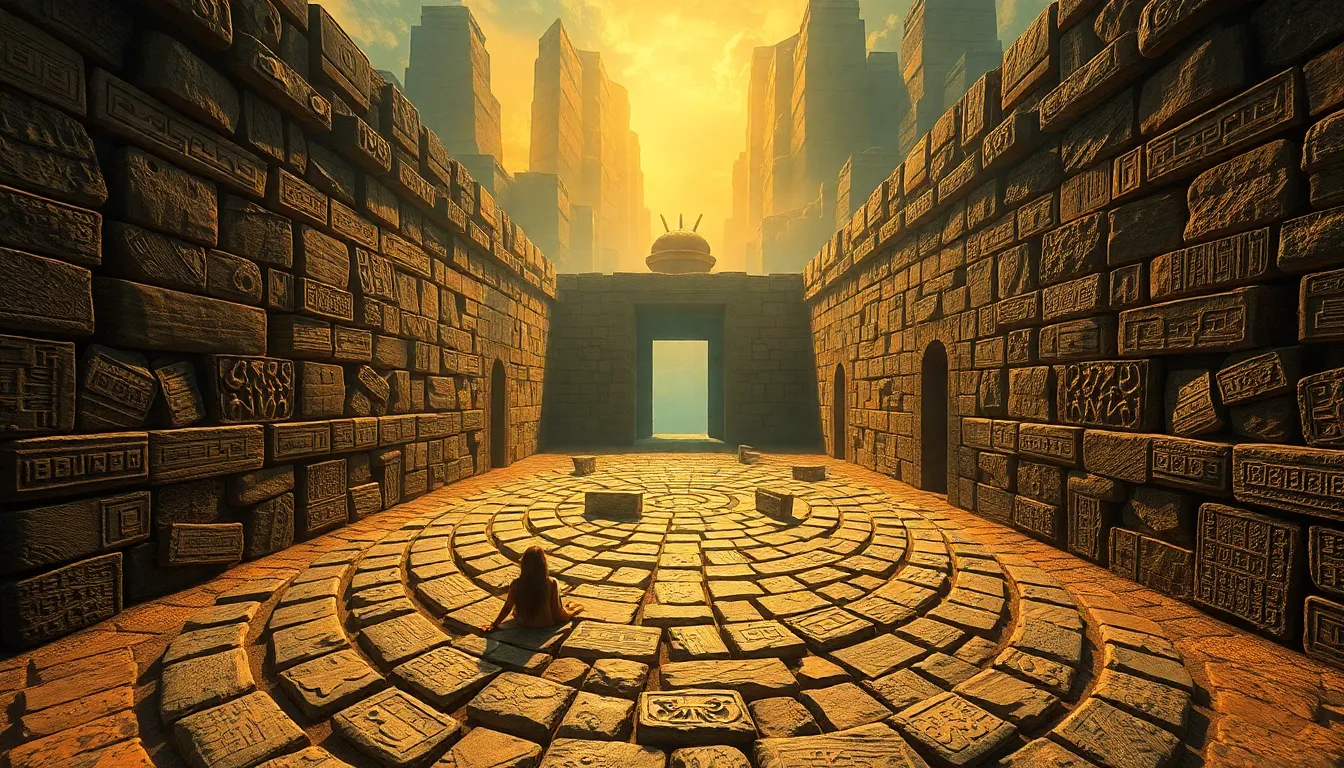
The Festival of the Sacred Labyrinth: Pathways of Mystery
I. Introduction
The Festival of the Sacred Labyrinth is a vibrant celebration that invites participants to explore the intricate designs and profound meanings of labyrinths throughout history. These ancient pathways, often perceived as symbols of mystery and introspection, hold significant cultural relevance across various civilizations. The festival aims to delve into the significance of labyrinths, exploring their roles as metaphors for life’s journeys and spiritual quests.
Labyrinths have been present in numerous cultures, from the Greek myth of the Minotaur to Native American medicine wheels, serving as places of contemplation and transformation. The purpose of the Festival of the Sacred Labyrinth is to gather people from diverse backgrounds to share their experiences and insights, fostering a sense of community and understanding through the universal language of art and spirituality.
II. Historical Context
The origins of labyrinths can be traced back to ancient civilizations, where they were often constructed as intricate designs of stone or earth. The earliest known labyrinths date back to around 2000 BCE, with notable examples found in Minoan Crete and ancient Egypt. These structures were not merely architectural feats but also served as religious sites, reflecting the beliefs and practices of their respective cultures.
Over time, the symbolism of labyrinths has evolved. Initially viewed as places of danger and uncertainty, labyrinths transformed into symbols of enlightenment and spiritual growth. Key historical figures, such as the philosopher Plato, have referenced labyrinths in their works, highlighting their philosophical implications. Significant events, such as the Renaissance revival of classical ideas, further propelled the labyrinth into the cultural consciousness, sparking artistic and mystical interpretations.
III. The Structure of the Festival
The layout and design of the Festival of the Sacred Labyrinth are meticulously crafted to enhance the experience of participants. The festival grounds feature a large, intricate labyrinth made from natural materials, designed to be walked through. Surrounding this central labyrinth are various stations representing different cultures and their interpretations of labyrinths, including:
- Workshops on labyrinth construction and design
- Art installations inspired by labyrinth themes
- Interactive performances that invite audience participation
Key events during the festival include guided labyrinth walks, where participants can reflect and meditate as they navigate the pathways. Additionally, there are talks and discussions led by historians, spiritual leaders, and artists, who share their insights and experiences related to labyrinths. Artists and performers play a critical role in the festival, using their talents to create immersive experiences that engage the senses and provoke thought.
IV. Spiritual and Mystical Elements
The labyrinth serves as a powerful metaphor for life’s journey, representing the twists and turns we encounter along the way. Walking a labyrinth can be a meditative practice, allowing individuals to connect with their inner selves and gain clarity on their personal paths. Many spiritual traditions incorporate labyrinth walking as a form of prayer or contemplation.
Participants have shared testimonials about their experiences at the festival, often describing profound moments of insight and emotional release. These personal stories highlight the labyrinth’s ability to facilitate healing and self-discovery, making the festival a transformative experience for many.
V. Cultural Significance
The Festival of the Sacred Labyrinth has a significant influence on both local and global communities. By celebrating the diversity of labyrinth interpretations, the festival fosters intercultural dialogue and understanding. It encourages interfaith participation, bringing together individuals from various religious backgrounds to share their unique perspectives and experiences.
Artistic expressions inspired by labyrinth themes abound, as the festival features a diverse array of art forms, including:
- Visual art installations
- Dramatic performances
- Musical compositions that convey labyrinthine themes
This artistic collaboration enriches the festival, creating an environment where creativity and spirituality intersect.
VI. Environmental and Community Impact
The Festival of the Sacred Labyrinth prioritizes sustainability, integrating eco-friendly practices into its planning and execution. Organizers strive to minimize the environmental impact of the festival by using biodegradable materials, promoting recycling, and encouraging public transportation.
Community engagement is a core component of the festival, with numerous volunteer opportunities available. Local residents are invited to participate in the festival’s organization, fostering a sense of ownership and pride in the event. The economic benefits for the local area are substantial, as the festival attracts visitors from afar, boosting local businesses and tourism.
VII. Future of the Festival
As the Festival of the Sacred Labyrinth continues to grow, trends in festival planning are evolving. Organizers are increasingly focused on inclusivity and accessibility, ensuring that the event caters to a diverse audience. Additionally, the integration of technology is becoming more prevalent, with virtual components allowing those unable to attend in person to participate remotely.
However, the festival also faces challenges, such as maintaining its core values while expanding its reach. Opportunities exist to further deepen community involvement and expand the festival’s educational programming. The vision for the festival’s evolution includes a greater emphasis on global collaboration, inviting artists and thinkers from around the world to contribute to the dialogue surrounding labyrinths and their significance.
VIII. Conclusion
In summary, the Festival of the Sacred Labyrinth is a unique celebration that honors the rich history and cultural significance of labyrinths. Through its diverse programming and community engagement, the festival leaves a lasting impact on participants, fostering connections and inspiring personal journeys.
We invite you to experience the Festival of the Sacred Labyrinth for yourself, to walk the pathways of mystery and discovery. Join us as we continue this journey together, exploring the depths of our shared human experience.
Let the labyrinth guide you on a transformative path as we delve into the mysteries of life and spirituality.