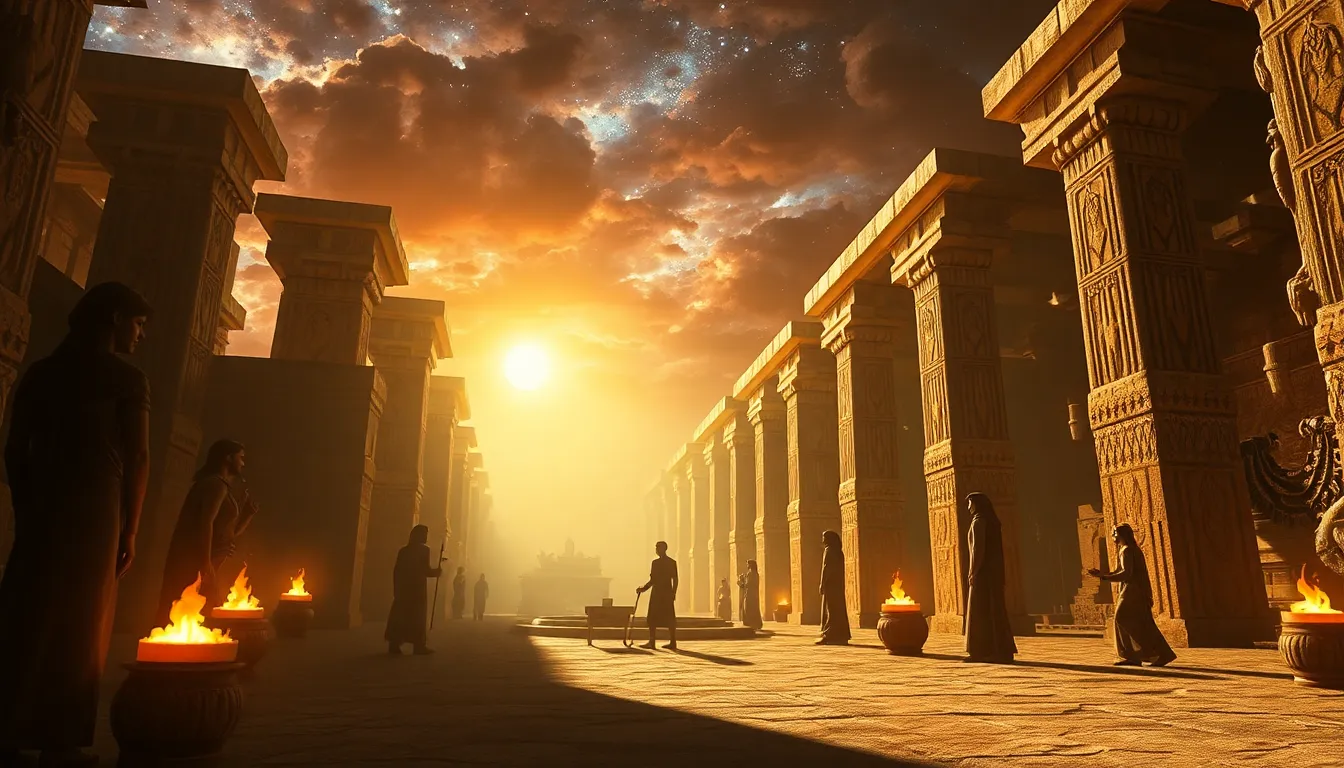
The Festival of the Sacred Echo: Voices of the Past
Introduction to the Festival of the Sacred Echo
The Festival of the Sacred Echo is a vibrant celebration that echoes the rich tapestry of ancient traditions and cultural narratives. Originating from the deep-rooted practices of various communities, this festival serves not only as a remembrance of the past but also as a vital expression of identity and heritage.
The concept of “sacred echoes” refers to the reverberations of history, culture, and voice that resonate through time. These echoes manifest in the stories, songs, and rituals passed down through generations, creating a bridge between the past and the present.
This article aims to explore the cultural and historical significance of the Festival of the Sacred Echo, delving into its origins, traditions, and the ways in which it continues to shape communities today.
Historical Background
The Festival of the Sacred Echo has its roots in ancient traditions that revered the power of sound and storytelling. Historically, it was celebrated during specific lunar phases when it was believed that the veil between the past and present was thinnest, allowing for a more profound connection with ancestors.
Key figures in the evolution of the festival include:
- Ancient Priests: Who conducted rituals to honor deities associated with memory and knowledge.
- Storytellers: Renowned for their ability to weave narratives that captured communal history.
- Artisans: Who created visual representations of echoes in their crafts.
Oral history plays a crucial role in preserving the legacy of the festival, as stories passed down through generations serve as a living archive of cultural practices and beliefs.
Cultural Significance
The Festival of the Sacred Echo is fundamentally a celebration of heritage and identity. It allows communities to come together, fostering a sense of belonging and continuity. Through various activities, participants engage in:
- Storytelling sessions that highlight local myths and legends.
- Rituals that invoke the spirits of ancestors, seeking their guidance and blessings.
- Artistic displays that showcase the talents of local artisans.
Echoes have symbolic meanings across different cultures, often representing:
- The idea of memory and remembrance.
- The interconnectedness of life and the passage of time.
- The voices of ancestors influencing the present and future.
Modern Celebrations
In contemporary society, the Festival of the Sacred Echo has adapted while still honoring its traditional roots. Modern practices include:
- Workshops that teach storytelling and music, allowing for skill development among younger generations.
- Community gatherings that feature performances, food, and shared experiences.
- The use of social media to amplify voices and connect with a global audience.
Technology has had a significant impact on how the festival is celebrated, with many events being live-streamed or shared online, allowing for broader participation. Regional variations have also emerged, with each community infusing its unique customs into the festival, reflecting local traditions and histories.
Artistic Expressions at the Festival
The Festival of the Sacred Echo is a canvas for artistic expression, where various forms of art come together to reflect its themes. This includes:
Music and Performances
Musicians often perform traditional songs that celebrate the echoes of the past, while modern interpretations may blend genres to create a unique soundscape.
Visual Arts
Art installations inspired by sacred echoes serve as visual narratives, depicting the relationship between sound and memory through various mediums, including:
- Murals that capture historical events and cultural symbols.
- Sculptures that resonate with the theme of echoes.
- Interactive exhibits that invite participation.
Poetry and Literature
Poetry readings and literary performances are integral to the festival, with storytellers using the power of words to convey the richness of their heritage.
Voices of the Past: Storytelling Traditions
Oral traditions are at the heart of the Festival of the Sacred Echo, emphasizing the importance of storytelling as a means of cultural transmission. Notable storytellers, often revered within their communities, have contributed significantly to the festival’s legacy:
- Traditional Storytellers: Who keep the ancient stories alive.
- Modern Influencers: Who adapt stories for contemporary audiences.
The impact of storytelling extends beyond entertainment; it fosters community bonding and strengthens social ties, creating a shared identity among participants.
Challenges and Preservation Efforts
Despite its rich heritage, the Festival of the Sacred Echo faces modern challenges, including:
- Declining participation among younger generations.
- The influence of globalization that often overshadows local traditions.
- Environmental issues threatening the venues for celebration.
Efforts to preserve the festival’s cultural heritage are ongoing, with initiatives that include:
- Educational programs aimed at teaching younger generations about their cultural roots.
- Community workshops that encourage participation and creativity.
- Collaborations with cultural organizations to promote awareness and appreciation.
The role of younger generations is pivotal in keeping these traditions alive, as they bring fresh perspectives and innovative ideas to age-old practices.
Conclusion
In conclusion, the Festival of the Sacred Echo stands as a testament to the enduring power of cultural expression and community connection. Through its rich tapestry of stories, music, and art, the festival continues to resonate with the voices of the past, shaping the identities of present and future generations.
Readers are encouraged to engage with their local traditions and participate in celebrations that honor their heritage. The echoes of our past serve as guiding lights for the future, reminding us of the importance of preserving our cultural narratives.
Ultimately, the Festival of the Sacred Echo is not just a celebration; it is a living embodiment of the voices from the past that continue to echo into the future.