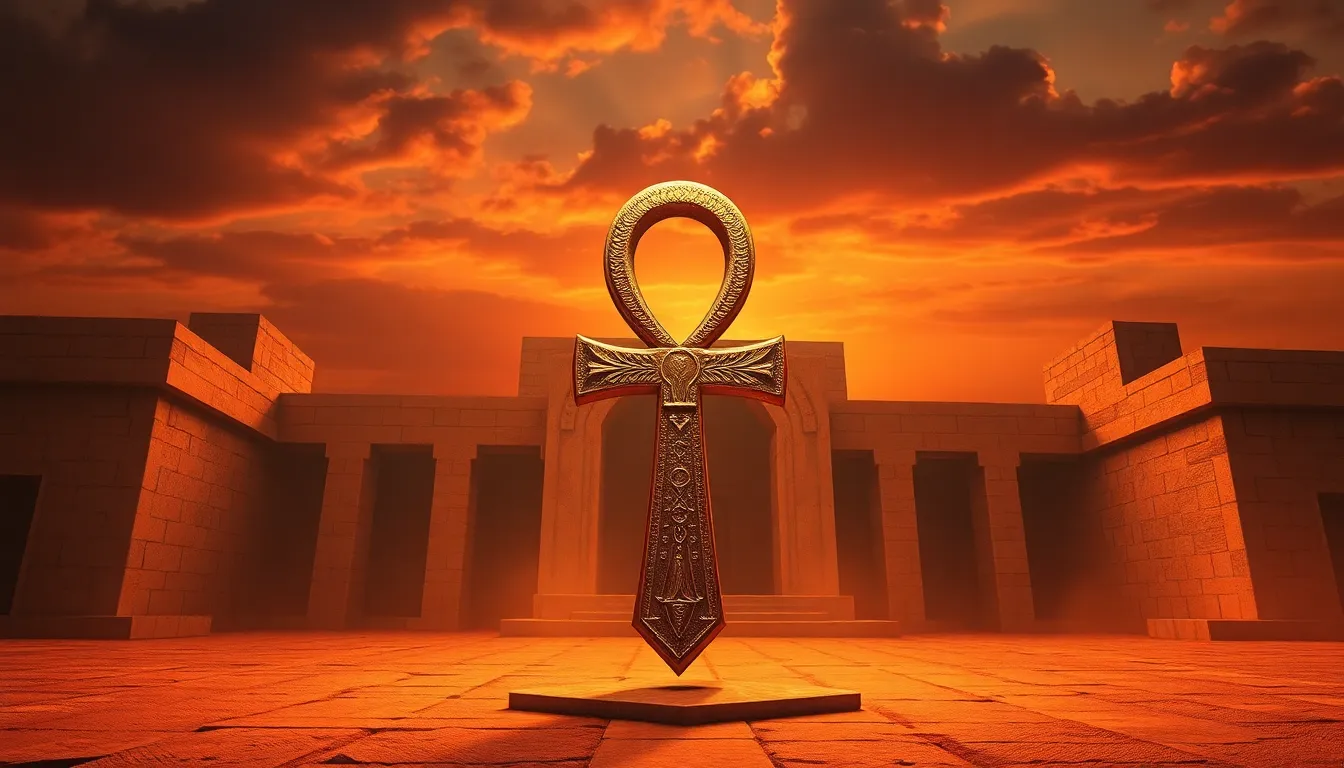
The Festival of the Sacred Ankh: Symbol of Life
I. Introduction
The Festival of the Sacred Ankh is a vibrant celebration steeped in ancient traditions that honor one of the most recognized symbols of life in Egyptian mythology. The Ankh, resembling a cross with a loop at the top, represents life, immortality, and the interconnectedness of all living beings. This article delves into the significance of the festival, its historical roots, and the rich traditions that surround it.
II. Historical Context of the Ankh
The Ankh has a profound history in ancient Egypt, where it was first depicted around 3,000 BCE. As a symbol, it encapsulated the essence of life and divine protection. The Ankh was often seen in the hands of deities, symbolizing their power to grant life.
- Origin and Meaning: The Ankh is derived from the Egyptian word for “life” or “living.” It is often associated with the concept of eternal life, especially in the context of the afterlife.
- Association with Deities: Gods like Osiris and Isis were frequently depicted holding the Ankh, emphasizing its role in resurrection and fertility.
- Evolution in Different Cultures: Over time, the Ankh has transcended its original Egyptian roots, finding its way into various cultures as a symbol of life and spirituality.
III. The Festival’s Origins
The Festival of the Sacred Ankh traces its origins back to ancient agricultural practices. It was celebrated during the time of harvest when communities came together to give thanks for the bounty of the earth.
- Historical Roots: The festival was likely established during the reign of the pharaohs, when rituals to honor the gods and the earth’s cycles were commonplace.
- Key Figures: Important figures, such as priests and local leaders, played a significant role in organizing the festival, ensuring that the rituals honored both the deities and the community.
- Connection to Agricultural Cycles: The timing of the festival coincided with seasonal changes, reflecting the importance of the Ankh in agricultural societies.
IV. Celebratory Traditions and Rituals
During the Festival of the Sacred Ankh, communities engage in a variety of ceremonies and rituals that highlight the importance of life and regeneration.
- Ceremonies and Rituals: Traditional rituals include offerings to the gods, prayers for fertility, and blessings for the community.
- Music and Dance: The festival is marked by vibrant music and dance performances, where participants express joy and gratitude through artistic expression.
- Community Participation: Inclusivity is a key aspect of the festival, with people from all walks of life encouraged to join in the celebrations.
V. Symbolism of the Ankh in Festival Activities
The Ankh is not just a symbol; it is intricately woven into the fabric of the festival’s activities, enhancing the spiritual experience for participants.
- Decorations and Offerings: The Ankh is prominently featured in decorations, and offerings often include items shaped like the Ankh, symbolizing life and renewal.
- Rituals Honoring Life: Many rituals involve the pouring of water or planting of seeds, acts that symbolize growth, life, and connection to the earth.
- Contemporary Interpretations: Today, the Ankh’s symbolism is embraced in various spiritual practices, reminding individuals of their own life journeys and connections to the divine.
VI. Modern Adaptations and Global Influence
As society has evolved, so too has the Festival of the Sacred Ankh. Modern adaptations reflect contemporary values while maintaining the core significance of the celebration.
- Evolution in Modern Times: The festival has adapted to include various cultural influences, making it a melting pot of traditions that celebrate life.
- Global Influence: The themes of the festival resonate worldwide, inspiring celebrations that honor life in various cultures.
- Popular Culture: The Ankh has found its place in modern spiritual practices and pop culture, symbolizing life and spirituality in music, art, and fashion.
VII. Personal Reflections and Testimonials
Participants in the Festival of the Sacred Ankh often share transformative experiences that deepen their understanding of life and community.
- Participant Stories: Many attendees speak of a profound connection to their ancestors and the earth, feeling revitalized by the festival’s energy.
- Insights from Scholars: Cultural historians note the festival’s role in preserving ancient traditions and fostering community identity.
- Impact on Beliefs: The festival encourages individuals to reflect on their beliefs, fostering a collective identity centered around life and renewal.
VIII. Conclusion
The Festival of the Sacred Ankh stands as a testament to the enduring significance of the Ankh as a symbol of life. Through its rich traditions and communal celebrations, the festival not only honors the past but also inspires future generations to embrace life, love, and connection.
As we reflect on the importance of the Ankh and the festival, we encourage everyone to participate in or learn more about this vibrant celebration. Whether through attending the festival or exploring its roots, the opportunity to connect with the sacred symbol of life awaits.