The Festival of Sobek: An Overview
In the ancient Egyptian civilization, religious festivals played a crucial role in societal life, marking significant events, honoring deities, and fostering a sense of community. Among these festivals, the Festival of Sobek stands out as a celebration dedicated to the powerful crocodile god, Sobek. This festival was a vibrant and multifaceted event, encompassing rituals, processions, offerings, and symbolic representations that reflected the multifaceted nature of Sobek and his connection to the Nile River, fertility, and protection.
Sobek: The Crocodile God
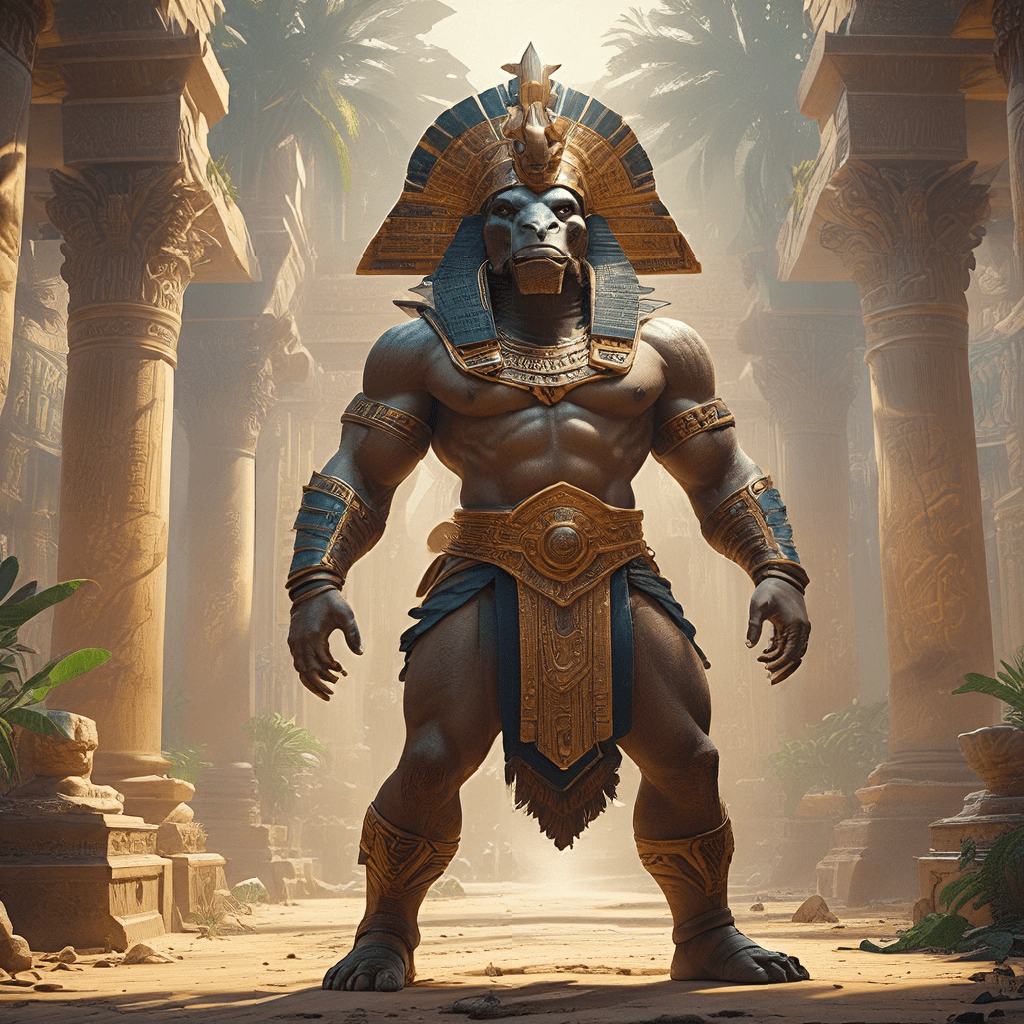
Sobek, often depicted as a crocodile or a man with a crocodile head, was a prominent deity in ancient Egyptian mythology. He was associated with various aspects of life, including the Nile River, fertility, strength, and protection. As the patron of the Nile, Sobek was believed to control the life-giving waters that sustained Egyptian civilization. His role as a fertility god extended to both human and animal populations, ensuring bountiful harvests and healthy offspring. Moreover, Sobek’s formidable power as a crocodile made him a symbol of protection against enemies and evil forces.
The crocodile’s association with Sobek stemmed from its powerful presence in the Nile River. The crocodile’s ability to survive and thrive in the river’s treacherous waters made it a respected creature in the eyes of the Egyptians. The crocodile’s formidable jaws and protective instincts mirrored Sobek’s role as a guardian and protector. Throughout ancient Egypt, temples dedicated to Sobek were constructed along the Nile River, symbolizing his close connection to the waterway.
The Significance of Sobek in Ancient Egypt
Sobek’s importance in ancient Egyptian society extended beyond his role as a deity. He was also closely linked to the pharaoh, who was often considered a manifestation of the god himself. The pharaoh was believed to possess Sobek’s strength and power, making him a formidable leader and protector of his people. The pharaoh’s connection to Sobek further reinforced the deity’s position as a symbol of royal authority and divine legitimacy.
The Nile River was a vital source of life for ancient Egyptians, providing water for agriculture, transportation, and fishing. Its annual flooding was essential for the fertility of the land and the prosperity of the civilization. Sobek, as the patron god of the Nile, was revered for his role in regulating the river’s flow and ensuring a bountiful harvest. His image was often incorporated into agricultural rituals and ceremonies, seeking his favor and protection over crops and livestock.
Origins and History of the Festival
The origins of the Festival of Sobek are shrouded in the mists of time, dating back to ancient Egyptian civilization. While precise details of its inception remain elusive, it is believed to have been celebrated for centuries, perhaps even millennia, throughout ancient Egypt. The festival’s roots likely lie in the ancient Egyptians’ reverence for the Nile River and their need to appease the powerful crocodile god who controlled its waters.
As the significance of Sobek grew, so did the scale and scope of the Festival of Sobek. Temples dedicated to Sobek, such as the Temple of Kom Ombo, became centers for the celebration, attracting pilgrims and devotees from far and wide. The festival served as a platform for expressing gratitude to Sobek for his blessings, strengthening the bond between the deity and his followers, and solidifying the belief in his power and influence.
Locations and Timing of the Festival
The Festival of Sobek was celebrated at various locations throughout ancient Egypt, with temples dedicated to the crocodile god serving as the primary venues. Among the most prominent sites for the festival were the temples of Kom Ombo, Faiyum, and Crocodilopolis. The dates for the festival varied, often coinciding with the annual flooding of the Nile River or significant agricultural events. The timing reflected the close connection between Sobek and the river’s life-giving cycle and the Egyptians’ dependence on its bounty.
Rituals and Activities of the Festival
The Festival of Sobek was a multifaceted event, characterized by a series of elaborate rituals, processions, offerings, and celebratory activities. The precise nature of the rituals varied across locations and timelines, but some common elements included:
Processions: One of the most prominent features of the festival was the procession, which often involved the carrying of statues or images of Sobek through the streets. The processions were meant to symbolize the god’s presence and to bring his blessings to the community.
Offerings: Devotees would offer gifts to Sobek, such as food, wine, incense, and precious objects, to appease the god and seek his favor. These offerings were often placed at his temples or carried during the processions.
Sacrifices: In some cases, animals, particularly crocodiles, were sacrificed to Sobek. These sacrifices were seen as acts of appeasement and as a means of strengthening the bond between the god and his followers.
Dances and Music: The celebration often included music and dance performances, meant to entertain the god and to create a festive atmosphere. These performances often incorporated themes related to Sobek and the Nile River.
Games and Entertainment: The festival also featured various games and entertainment activities, such as wrestling, archery, and boat races. These activities provided a sense of community and allowed people to celebrate the god’s power and blessings.
The Role of Priests and Temples
Priests played a crucial role in the organization and execution of the Festival of Sobek. They were responsible for conducting rituals, interpreting omens, and ensuring that the festival was carried out in accordance with tradition. Temples dedicated to Sobek served as centers for the festival, providing space for rituals, offerings, and processions. Temples also housed sacred crocodiles, considered to be living embodiments of the god.
The priests, guardians of sacred knowledge, ensured the continuity of the festival’s traditions, preserving the beliefs and rituals associated with Sobek. They were the intermediaries between the god and his followers, interpreting his will and ensuring the proper fulfillment of the rituals. The temples, structures dedicated to Sobek, provided a physical representation of his presence and a place for people to connect with the divine.
The Symbolic Significance of Crocodile Imagery
The crocodile, as Sobek’s primary symbol, played a significant role in the imagery and symbolism of the festival. The crocodile’s connection to the Nile River, its formidable strength, and its protective instincts all resonated with Sobek’s multifaceted nature. The crocodile’s sharp teeth and powerful jaws were seen as protective forces against evil spirits, while its ability to thrive in the river’s waters symbolized Sobek’s control over life-giving resources. The crocodile’s tough hide was associated with resilience and endurance, qualities that mirrored Sobek’s ability to overcome challenges and threats.
The crocodile was often depicted in art, sculpture, and jewelry associated with the festival, serving as a visual reminder of Sobek’s power and influence. The crocodile’s image was incorporated into amulets and talismans, said to offer protection and good fortune. These objects were worn by people to seek Sobek’s favor and to ward off negative forces. The crocodile’s symbolic presence permeated the festival, reinforcing its connection to the god and its significance in ancient Egyptian belief systems.
The Festival’s Impact on Egyptian Society
The Festival of Sobek had a profound impact on ancient Egyptian society, fostering a sense of community, strengthening religious beliefs, and promoting societal unity. The festival provided an opportunity for people to come together, to celebrate their deities, and to reaffirm their faith in Sobek’s power. The festival also played a role in reinforcing the pharaoh’s authority, as he was often associated with Sobek, thereby legitimizing his rule and strengthening the link between the divine and the earthly realm.
The festival’s focus on agricultural abundance and the Nile River’s life-giving waters emphasized the importance of these aspects in Egyptian life. The festival served as a reminder of the dependence on the river’s bounty and the need to honor the deity who controlled it. The festival’s celebrations and rituals, combined with the symbolic significance of the crocodile, served to solidify Sobek’s position as a powerful and influential deity in the Egyptian pantheon.
The Festival’s Legacy and Modern Interpretations
While the Festival of Sobek is no longer celebrated in its ancient form, its legacy continues to resonate in modern interpretations. The crocodile imagery, once associated with Sobek, is still used in various contexts, often as a symbol of power, resilience, and protection. The festival’s focus on the Nile River and its importance as a source of life also has relevance in contemporary society, highlighting the need to respect and protect natural resources.
The Festival of Sobek provides a window into the ancient Egyptians’ beliefs and their intricate relationship with their gods. It reveals the depth of their reverence for the Nile River and their dependence on its bounty. The festival’s rituals, offerings, and symbolic representations offer