The Festival of Hathor: A Celebration of Love, Music, and Joy
In the ancient world of Egypt, the Festival of Hathor was a grand celebration of love, music, and joy, honoring the powerful goddess Hathor. This festival was a time of renewal and rejuvenation, embodying the vibrant spirit of this beloved deity.
1. Introduction: The Goddess of Love and Beauty
Hathor, the goddess of love, beauty, music, and joy, was a central figure in Egyptian mythology. She represented the feminine divine, embodying motherhood, protection, and healing. Hathor’s connection to music, dance, and joy was deeply ingrained in her nature, making her a popular and beloved deity.
Her presence was felt in various aspects of Egyptian life. As a mother goddess, she was associated with fertility and the protection of women and children. As a protector, she was believed to ward off evil spirits and bring good fortune. And as a healer, she was called upon to cure illness and restore balance to the body and soul.
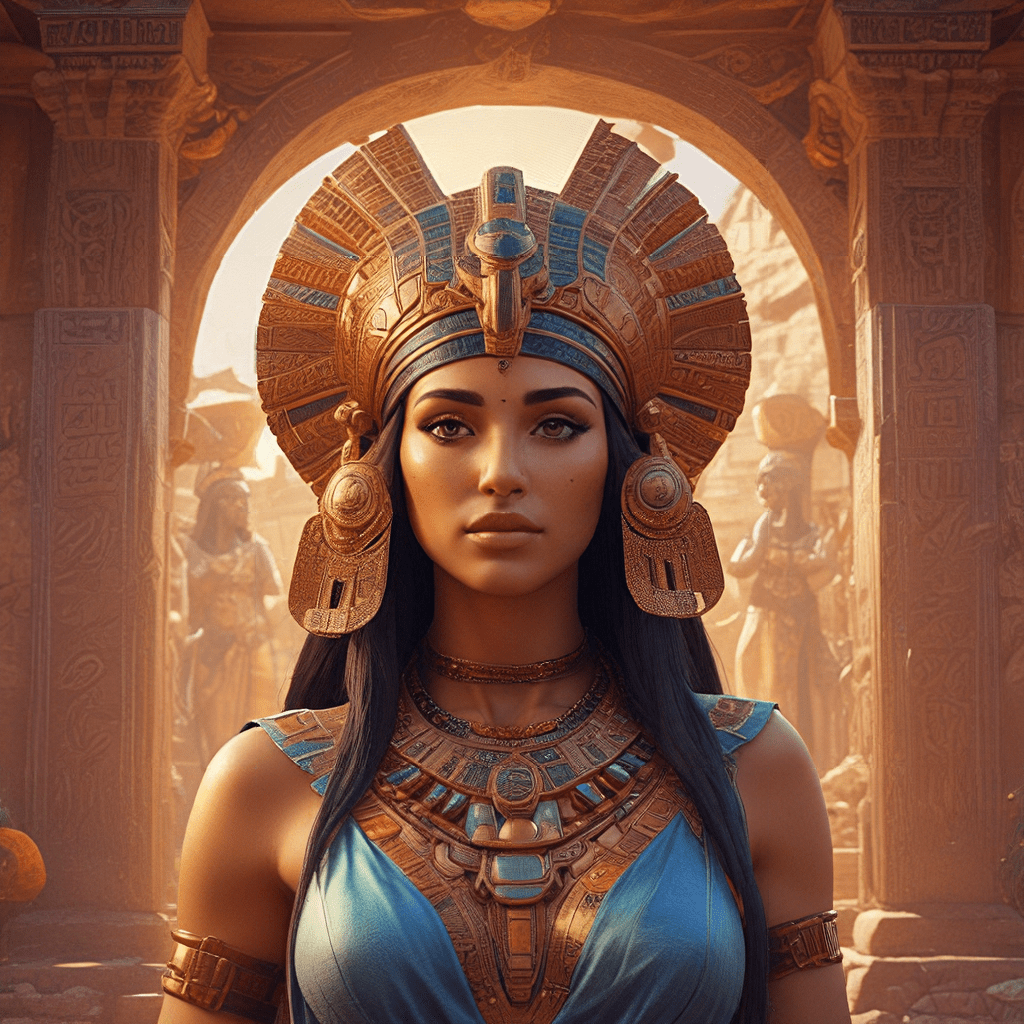
Hathor’s symbol, the sacred cow, embodied her nurturing and maternal aspects. Her image was often depicted as a beautiful woman with cow horns or wearing a headdress adorned with cow horns. This iconic imagery signified her connection to the natural world, fertility, and the cycle of life.
2. The Festival’s Origins: Ancient Roots and Purpose
The origins of the Festival of Hathor can be traced back to the ancient worship of the goddess Bat, a bovine goddess associated with fertility and abundance. Over time, Hathor and Bat became intertwined, with Hathor inheriting many of Bat’s attributes, including her connection to the sacred cow.
Early celebrations of Hathor focused on fertility and ensuring a bountiful harvest. These festivals were marked by rituals and offerings aimed at pleasing the goddess and securing her favor. The evolution of the festival saw it expand beyond agricultural concerns, becoming a celebration of Hathor’s broader aspects, particularly her roles as a goddess of love, music, and joy.
3. The Festival’s Timing and Location
The Festival of Hathor was held annually during the month of Hathor, which corresponded to October/November in the modern calendar. The main celebrations centered in Dendera, a city known as the “city of the goddess,” where Hathor’s magnificent temple stood. This temple was a testament to her enduring power and influence and served as a focal point for the festival.
While Dendera was the primary location for the festival, smaller celebrations were held in other temples and towns across Egypt, reflecting Hathor’s widespread reverence. The festival was a time of widespread joy and community, bringing people from different regions together in celebration.
4. Rituals and Ceremonies: Honoring Hathor’s Divine Presence
The Festival of Hathor was a vibrant spectacle filled with rituals and ceremonies designed to honor the goddess and evoke her presence. These ceremonies often involved processions, music, dance, offerings, and sacrifices.
Processions were a significant part of the festival, with priests carrying statues of Hathor and offerings through the streets. These processions symbolized Hathor’s journey through the world, bringing her blessings to all who witnessed them. The statues were adorned with elaborate decorations and carried by priests in ceremonial garments, signifying the sacred nature of the event.
Music and dance were integral to the festival, reflecting Hathor’s association with joy and celebration. The sistrum, a sacred instrument resembling a rattle, was used prominently in these ceremonies. The rhythmic sounds of the sistrum were believed to please Hathor and evoke her presence. Dancing and singing were seen as forms of worship, expressing devotion and joy to the goddess.
Offerings were a crucial part of honoring Hathor. Gifts of food, wine, flowers, and incense were presented to the goddess, symbolizing gratitude and seeking her favor. Animal sacrifices, particularly cows, were sometimes performed as a way to appease the goddess and ensure her blessings for the coming year.
5. The Role of Music and Dance: Expressing Joy and Devotion
Music and dance played a central role in the Festival of Hathor, serving as powerful expressions of joy and devotion. The sistrum, a sacred instrument often depicted in Hathor’s hands, played a significant role in the ceremonies. The rhythmic shaking of the sistrum, with its jingling sound, was believed to please Hathor and evoke her presence.
Egyptian priests and worshippers used the sistrum during rituals and processions, creating a vibrant and energetic atmosphere. The sounds of the sistrum were thought to ward off evil spirits and attract Hathor’s blessings. It was also believed that the sistrum’s rhythmic vibrations could connect worshippers with the divine realm and facilitate a sense of spiritual connection.
Dance was another important element of the festival, expressing joy, devotion, and reverence for Hathor. People danced in celebratory processions and in the temple courts, their movements mimicking the rhythm of Hathor’s presence and the cyclical nature of life and renewal. Dance was seen as a way of connecting with the goddess and embodying her spirit.
The festival was a time for revelry and celebration, where people could express their joy and gratitude for Hathor’s blessings. Through music and dance, they sought to connect with the divine, experience a sense of unity, and celebrate the bounty of life.
6. Symbolism and Meaning: Understanding the Festival’s Deeper Purpose
Beyond the outward celebration, the Festival of Hathor held deeper symbolic meanings. It was a time for renewal and rejuvenation, representing the cyclical nature of life, death, and rebirth. Hathor’s connection to the afterlife and the underworld further enhanced this symbolism.
The festival served as a reminder that life is a journey, a cycle of growth, change, and renewal. It was a time to reflect on the past, celebrate the present, and look forward to the future with hope and optimism. Hathor, as a goddess of both life and the afterlife, provided comfort and reassurance, guiding people on their journey through life and beyond.
7. Feasting and Merriment: Sharing Joy and Abundance
The Festival of Hathor was a time of feasting and merriment, as people gathered to celebrate and share the abundance of the harvest. The festival was a time to come together as a community, to share meals, and to enjoy the blessings of the goddess.
Food played a vital role in the celebrations, with special dishes prepared in honor of Hathor. The feasts were a symbol of gratitude for the goddess’s blessings and a way to ensure her continued favor. The joyous atmosphere of the festival was further enhanced by music, dance, and storytelling, creating a vibrant and unforgettable experience.
The Festival of Hathor was a celebration of life, love, and joy. It was a time to honor the powerful goddess, to seek her blessings, and to experience the bounty of the world. The festival’s enduring legacy speaks to the deep reverence and affection that the Egyptians held for Hathor, the goddess of love, music, and joy.