The Festival of Bastet: A Time of Joy and Renewal
The Festival of Bastet, also known as the Festival of Bubastis, was a vibrant celebration held annually in ancient Egypt to honor the goddess Bastet. This joyous occasion was a testament to the Egyptians’ deep reverence for Bastet, a powerful deity associated with protection, joy, fertility, and the domestic cat. The festival was a time for feasting, dancing, music, and offering prayers and gifts to the goddess. It was a time when people from all walks of life came together to celebrate life, acknowledge the goddess’s blessings, and seek her continued favor.
1. Bastet: Goddess of Protection, Joy, and Fertility
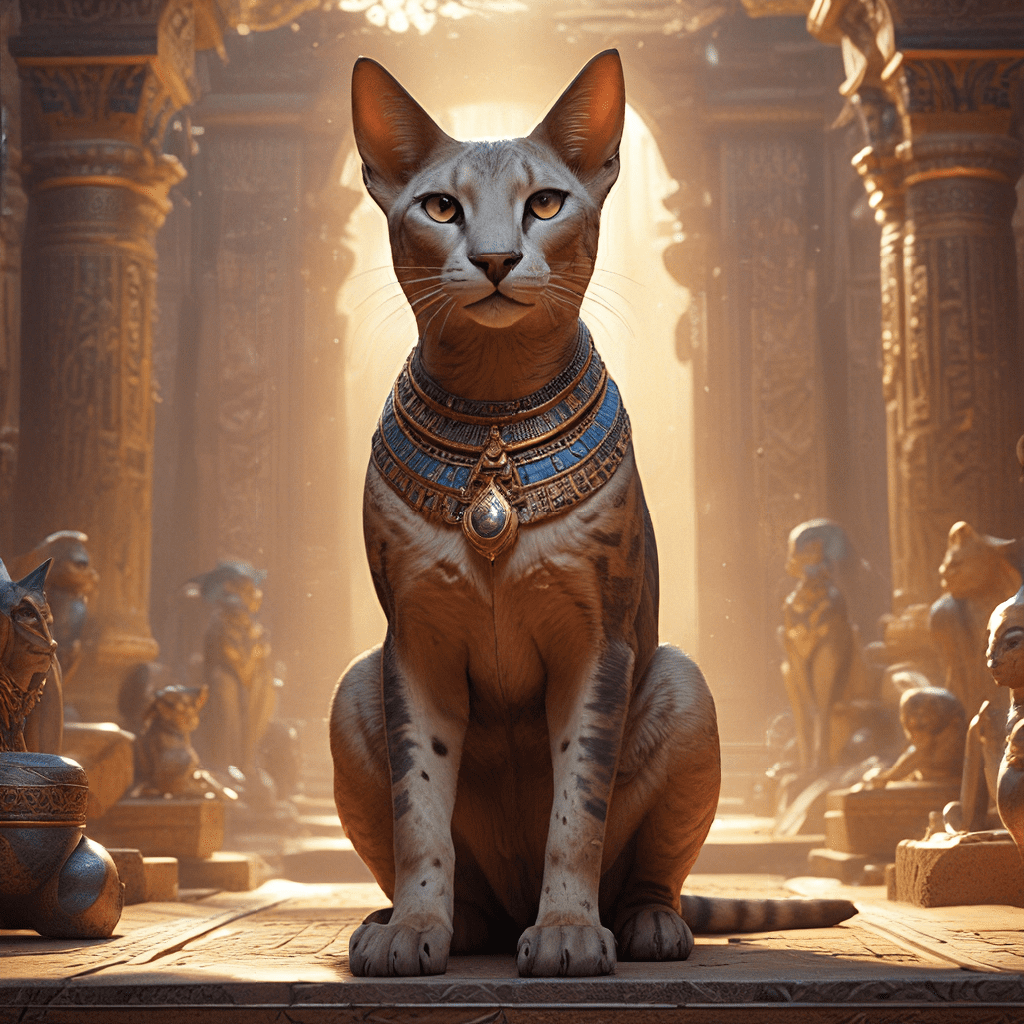
Bastet, a beloved and powerful goddess in ancient Egypt, was revered as the protector of homes, families, and women. Her name, “Bastet,” is thought to be derived from the Egyptian word “bsdt,” which means “she who protects.” She was often depicted as a woman with a cat’s head, reflecting her close association with these graceful creatures. Cats, in ancient Egypt, were highly valued for their ability to control rodent populations, which protected grain stores and homes. Their sleek physique, keen senses, and hunting prowess made them symbols of protection, strength, and grace. Bastet’s association with cats further reinforced her role as a guardian, ensuring safety and prosperity for households.
Beyond her protective role, Bastet was also worshipped for her association with joy, fertility, and motherhood. She was believed to bring good luck, happiness, and abundance to those who honored her. Her image graced amulets and jewelry, serving as a constant reminder of her protective presence and blessings. The Egyptians believed that Bastet could grant them healthy children, bountiful harvests, and joyful lives. Her gentle and caring nature made her a beloved deity, especially among women and families.
2. The City of Bubastis: Bastet’s Sacred Domain
The city of Bubastis, located in the Nile Delta region of ancient Egypt, was the sacred center dedicated to Bastet’s worship. It was here that her grand temple stood, a monumental structure that attracted pilgrims from across the land. The temple of Bubastis was renowned for its impressive architecture, intricate decorations, and the grandeur of its rituals. The temple complex was a significant religious center, drawing countless worshipers who came to seek Bastet’s blessings, offer prayers, and participate in the annual festival.
The city of Bubastis itself was a testament to Bastet’s importance. It was a vibrant hub of cultural and religious activity, with streets lined with workshops, markets, and homes. The city’s prosperity was intertwined with Bastet’s favor, and its people considered themselves her devoted servants. The annual festival held in her honor was the city’s most important event, attracting pilgrims from all corners of Egypt.
3. The Annual Festival: Celebrating Bastet’s Power
The Festival of Bastet, usually held in the month of Athyr (October/November), was a grand celebration that lasted for several days. It was a time for joyous revelry, religious ceremonies, and profound connection with the goddess Bastet. The festivities were a mix of religious, cultural, and social events, bringing together people from all walks of life to honor the goddess and celebrate their shared faith. During the festival, the city of Bubastis came alive with music, dance, and vibrant decorations.
The festival began with elaborate processions, where priests and priestesses carried sacred images and statues of Bastet through the city streets. People lined the streets, waving offerings, singing hymns, and praising the goddess. The procession was a powerful display of devotion, showcasing the importance of Bastet’s worship in Egyptian society. The festival also included dramatic performances, storytelling, and theatrical displays, all dedicated to Bastet’s legend and her virtues. These performances were a way for the people to engage with the goddess’s story, understand her attributes, and appreciate her role in their lives.
4. The Festive Atmosphere: Music, Dance, and Merriment
The Festival of Bastet was a time for unrestrained joy and celebration. Music and dance were central to the festivities, filling the air with a vibrant and infectious energy. Musicians, singers, and dancers from across Egypt converged on Bubastis, showcasing their skills and talents. The streets were alive with the sound of drums, flutes, lyres, and sistrums, accompanying the skillful movements of dancers who wore colorful costumes adorned with symbolic motifs.
The festival was not solely about religious rituals, but also about social interaction and community building. People from all walks of life—farmers, merchants, artisans, and priests — came together to share stories, enjoy meals, and celebrate. The atmosphere was one of warmth, camaraderie, and shared joy. It was a time to forget the stresses of daily life and immerse oneself in the festivities, honoring not only Bastet, but also the bonds that united the community. The festival was a reminder of the importance of celebrating life, appreciating the good times, and sharing joy with others.
5. Offerings and Rituals: Honoring the Goddess
A significant aspect of the Festival of Bastet was the offering of gifts and the performance of rituals to honor the goddess. People brought offerings of food, wine, incense, and precious objects to Bastet’s temple. The offerings were a way to express gratitude for her blessings and to seek her continued favor. The offerings of food and wine symbolized abundance and prosperity, while incense represented purification and spiritual connection. Precious objects, such as jewelry and figurines, were a way to demonstrate devotion and respect.
The festival also involved rituals specific to Bastet’s domain. These rituals included the performance of sacred dances, the playing of music believed to appease the goddess, and the offering of cats to her temple. Cats, as sacred animals of Bastet, were considered a valuable offering. They symbolized protection, grace, and fertility, aligning with the goddess’s attributes. The offering of cats was a sign of reverence and a way to demonstrate the deep bond between humans and these felines. Priests and priestesses played a crucial role in the rituals, guiding the ceremonies, interpreting omens, and ensuring the proper execution of the offerings. Their knowledge and authority ensured the sanctity and effectiveness of the rituals, connecting the people to the divine presence of Bastet.
6. The Significance of Cats: Sacred Animals of Bastet
Cats held a special place in ancient Egyptian society and were deeply revered for their beauty, agility, and protective nature. They were considered sacred creatures and were closely associated with Bastet, symbolizing her power and influence. In Egyptian homes, cats were cherished companions and were believed to bring good luck, ward off evil spirits, and protect against disease. The festival of Bastet was a time for celebrating the special bond between humans and cats. It was an occasion to honor these creatures, to appreciate their unique qualities, and to reaffirm their connection to the divine.
During the festival, cats were often involved in rituals and festivities. They were adorned with decorative collars, presented as offerings to Bastet’s temple, and even allowed to roam freely among the revelers. The presence of cats during the festival symbolized Bastet’s blessing, reminding the people of her protective presence and the special bond they shared with these creatures. The festival was a testament to the Egyptians’ reverence for cats, recognizing their significance as companions, guardians, and symbols of the divine.
7. The Festival’s Impact on Egyptian Culture
The Festival of Bastet had a profound impact on Egyptian culture, influencing art, literature, and religion. It was a time when stories, songs, and poems dedicated to Bastet were performed, These narratives preserved her legend, celebrated her virtues, and reinforced her importance in Egyptian society. Bastet’s image graced countless amulets, jewelry, and household objects, serving as a constant reminder of her protection and blessings. Her worship was integrated into daily life, with people seeking her favor in matters of health, fertility, and prosperity.
The Festival of Bastet served as a powerful testament to the Egyptians’ reverence for nature, their appreciation for the natural world, and their deep connection to the divine. It was a time when they acknowledged the importance of balance, harmony, and the interconnectedness of all living things. The festival’s enduring legacy speaks to the profound impact Bastet and her festival had on ancient Egyptian civilization, shaping their beliefs, values, and cultural practices.
8. The Decline of the Festival: The Shifting Sands of Time
As with many ancient traditions, the Festival of Bastet eventually declined in importance. The decline of the city of Bubastis and the shifting political landscape of ancient Egypt contributed to the festival’s eventual fade. The rise of other deities and the emergence of new religious beliefs also contributed to the festival’s gradual decline. While the Festival of Bastet may have faded into history, its legacy lives on in the enduring stories, images, and beliefs that continue to captivate our imaginations