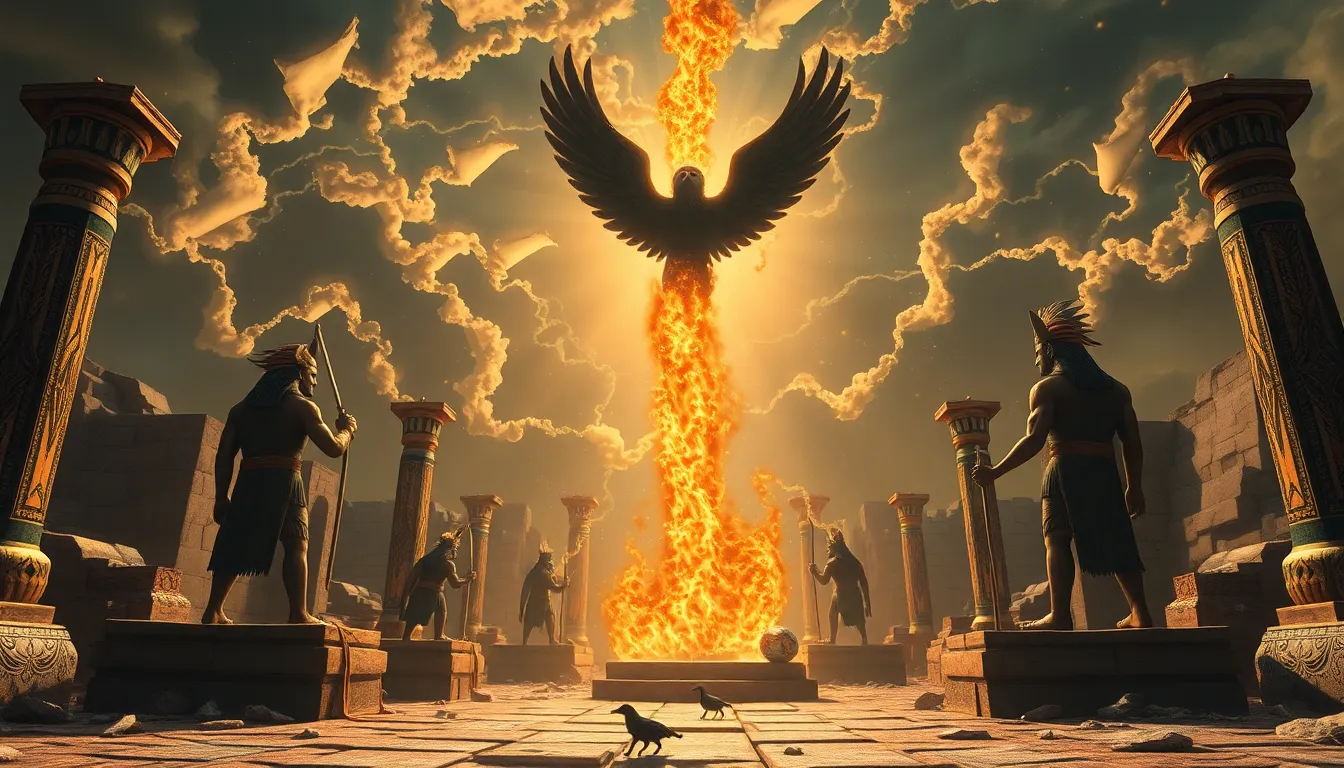
The Fall of the Wicked: Egyptian Myths of Retribution and Revenge
I. Introduction
Egyptian mythology is a rich tapestry of stories, beliefs, and traditions that shaped the ancient Egyptian civilization. These myths not only provided explanations for the natural world but also conveyed essential moral lessons and societal values. Among the most profound themes found in Egyptian mythology are those of retribution and revenge, which reflect the culture’s understanding of justice and order.
The ancient Egyptians believed that the universe was governed by the principle of Ma’at, which represented truth, balance, and cosmic order. When individuals acted wickedly or disrupted this order, divine retribution was expected. This article explores the themes of retribution and revenge in Egyptian mythology, examining the key deities involved, notable myths, and the moral lessons these stories impart.
II. The Concept of Ma’at: Order vs. Chaos
Central to Egyptian belief is the concept of Ma’at, which embodies truth, justice, and cosmic order. The goddess Ma’at, often depicted with an ostrich feather, symbolizes the balance necessary for the universe to function harmoniously. Her importance cannot be overstated, as she plays a pivotal role in both the natural world and the moral landscape of society.
The role of Ma’at in maintaining cosmic order is critical. The Egyptians believed that the Pharaoh, as a divine ruler, was responsible for upholding Ma’at. When he acted justly, the land thrived; when he succumbed to chaos, disorder would ensue. The consequences of chaos and wickedness were severe, often resulting in divine punishment, social upheaval, and personal ruin.
III. Key Deities Associated with Retribution
Several deities in Egyptian mythology are closely associated with themes of retribution and vengeance. Notable among them are:
- Osiris: The god of the afterlife, resurrection, and agriculture, Osiris represents the cycle of life and death, and his story is one of betrayal and revenge.
- Isis: The devoted wife of Osiris, Isis is known for her intelligence and magical abilities. She plays a crucial role in avenging her husband’s death.
- Set: The god of chaos and disorder, Set is infamous for murdering Osiris, which sets off a chain of events leading to vengeance.
- Anubis: The god of mummification and the afterlife, Anubis oversees the judgment of souls, ensuring that justice is served.
Additionally, the goddess Ma’at herself is integral to administering justice, as she embodies the very principles that guide the moral fabric of the universe.
IV. Notable Myths of Retribution
Egyptian mythology is filled with tales of retribution, where divine justice prevails over wickedness. Two of the most notable myths include:
A. The story of Osiris and Set: Betrayal and revenge
The myth begins with Set’s jealousy of his brother Osiris, which leads him to murder Osiris and dismember his body. Isis, determined to resurrect her husband, gathers the pieces of Osiris and revives him with her magic. This act of vengeance culminates in her son Horus avenging his father by battling Set for the throne of Egypt.
B. The myth of Horus avenging his father Osiris
Horus, the falcon-headed god, represents the rightful order and justice. His quest to avenge Osiris is filled with trials and tribulations, showcasing the struggle between order and chaos. Ultimately, Horus defeats Set, restores Ma’at to the land, and claims his rightful place as king.
Other tales also highlight divine retribution, including the punishment of mortals who defy the gods or disrupt the natural order, reinforcing the belief in the consequences of wickedness.
V. The Judgment of the Dead: The Weighing of the Heart
One of the most significant aspects of Egyptian belief is the judgment of the dead, which plays a crucial role in the afterlife. This process involved the weighing of the heart against the feather of Ma’at, representing truth and justice.
During this judgment:
- The deceased’s heart is placed on one side of a scale.
- The feather of Ma’at is placed on the other side.
If the heart is lighter than the feather, the individual is deemed worthy and allowed to enter the afterlife. However, if the heart is heavier, symbolizing a life of wickedness, the soul faces dire consequences, often depicted as being devoured by Ammit, the soul-eater, ensuring that the soul would cease to exist.
VI. The Role of Mortals in Seeking Revenge
While divine retribution is a recurring theme in Egyptian mythology, mortals also sought revenge. The complexities of human emotions and the desire for justice often led individuals to interpret divine will in their pursuit of vengeance.
Historical examples of revenge-seeking in ancient Egypt include:
- Revenge murders, often justified as restoring honor.
- Political plots against rivals, sometimes invoking divine favor for justification.
The moral implications of vengeance are significant, as the ancient Egyptians grappled with the balance between seeking justice and inciting further chaos within society.
VII. Lessons and Morals from Egyptian Myths
Egyptian myths impart valuable lessons about retribution and justice that resonate even today. The teachings emphasize:
- The importance of upholding truth and justice in daily life.
- The consequences of wicked actions and the inevitability of divine judgment.
These stories have influenced modern perceptions of morality, reminding us of the complexities of vengeance and the need for balance in seeking justice. The narratives continue to resonate, serving as cautionary tales about the nature of retribution and the importance of living in accordance with Ma’at.
VIII. Conclusion
In conclusion, the significance of retribution and revenge in Egyptian mythology is profound. These myths not only reflect the ancient Egyptians’ understanding of justice but also provide insights into their moral values and societal structures. The enduring legacy of these stories continues to inspire exploration and reflection on themes of order, chaos, and the consequences of our actions.
As we delve deeper into the fascinating world of Egyptian mythology, we are invited to consider the lessons these ancient narratives impart and their relevance in our modern lives.