The Eye of Horus: Reading the Future with Egyptian Symbolism
I. Introduction
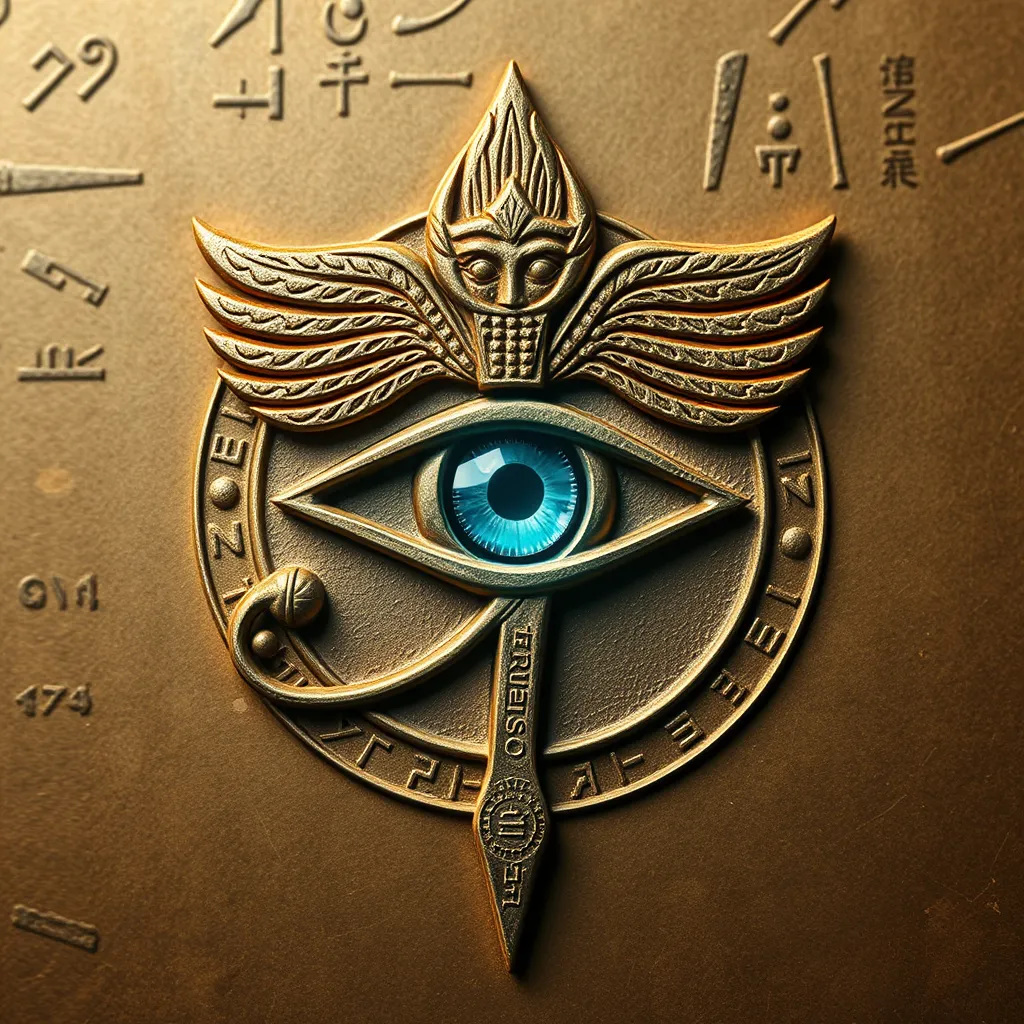
The Eye of Horus, also known as the Wedjat or Ujat, is one of the most recognizable symbols from ancient Egyptian culture. Its intricate design and profound meanings have captivated scholars, artists, and enthusiasts alike for centuries. In ancient Egypt, the Eye of Horus was a powerful emblem of protection, royal authority, and health, deeply woven into the fabric of daily life and spiritual practices.
This article aims to explore the rich symbolism of the Eye of Horus and its implications for understanding the future. By delving into its historical context, interpretations, and modern applications, we will uncover how this ancient symbol continues to resonate in contemporary society.
II. Historical Background of the Eye of Horus
The origins of the Eye of Horus are steeped in mythology and legend. According to ancient Egyptian beliefs, the symbol is associated with Horus, the sky god often depicted as a falcon or a man with a falcon’s head. The most prominent myth surrounding Horus involves his conflict with Set, the god of chaos, who murdered Horus’ father, Osiris.
Following a fierce battle, Horus lost one eye, which was later restored by the goddess Hathor or Thoth, depending on the version of the myth. This restoration symbolizes healing and wholeness, making the Eye of Horus a representation of regeneration and protection.
Throughout ancient Egyptian history, the Eye of Horus evolved in its use and significance. From amulets to frescoes, it was a ubiquitous symbol, believed to ward off evil and bring good fortune.
III. Symbolism of the Eye of Horus
The Eye of Horus is rich in symbolism, encompassing various themes, including:
- Protection: The Eye serves as a guardian against evil spirits and misfortune.
- Royal Power: It is often associated with the pharaohs, symbolizing their divine right to rule.
- Good Health: The Eye represents healing and well-being, often used in medical contexts.
In comparison to other notable Egyptian symbols, such as the Ankh (a symbol of life) and the Scarab (a symbol of transformation), the Eye of Horus stands out as a dynamic representation of vision and insight. It embodies the idea of divine awareness, granting those who bear it a sense of foresight and clarity.
IV. The Eye of Horus in Ancient Egyptian Practices
In ancient Egypt, the Eye of Horus was not just a symbol of power but also a practical tool used in various rituals and practices:
- Amulets and Talismans: The Eye was commonly fashioned into jewelry and amulets to protect the wearer from harm.
- Funerary Practices: The Eye of Horus was often included in burial rituals and placed with the deceased to ensure safe passage to the afterlife.
- Daily Life and Spiritual Rituals: Egyptians invoked the Eye in daily prayers and offerings, seeking its protection and blessings.
V. Interpreting the Eye of Horus in Modern Context
Today, the Eye of Horus has transcended its ancient roots and found a place in contemporary culture. It appears in various forms, from jewelry to tattoos, and even in fashion and art. The symbol is often reinterpreted, reflecting modern values and beliefs.
In popular media, the Eye of Horus can be seen in films, books, and television shows, frequently associated with themes of mystery, protection, and the supernatural. This resurgence in popularity has led to a renewed interest in the symbol’s meanings, prompting individuals to explore its significance in their own lives.
VI. The Eye of Horus as a Tool for Divination
Historically, the Eye of Horus was intertwined with divination practices in ancient Egypt. Techniques such as scrying and interpreting omens were prevalent, and the Eye symbolized clarity in vision and insight into the future.
In modern spiritual practices, many use the Eye of Horus as a tool for divination, attributing various symbolic meanings to it:
- Intuition: The Eye encourages individuals to trust their inner guidance.
- Foresight: It is believed to enhance one’s ability to foresee potential outcomes.
- Protection in Divination: The Eye is seen as a shield against negative influences during the process of seeking insight.
Techniques for using the Eye of Horus in modern spiritual practices can include meditation, visualization exercises, and incorporating the symbol into rituals aimed at gaining clarity and foresight.
VII. Case Studies: The Eye of Horus in Action
Throughout history, the Eye of Horus has been used as a protective symbol in various contexts. For example, it adorned the tombs of pharaohs, reflecting its role in safeguarding the deceased in the afterlife.
In contemporary settings, individuals have shared anecdotes about their connections with the Eye. Some report experiences where they felt guided or protected after incorporating the symbol into their lives. These accounts often highlight:
- Personal Growth: Many individuals report increased clarity and intuition after engaging with the symbol.
- Protection: Users often feel a sense of safety and empowerment.
- Guidance: People have experienced moments of insight that led to significant life decisions.
These cases illustrate the enduring power and relevance of the Eye of Horus across time and cultures.
VIII. Conclusion
In conclusion, the Eye of Horus stands as a powerful symbol that has transcended its ancient origins to become a beacon of protection, insight, and clarity. Its significance spans centuries, reflecting the values of ancient Egyptians while adapting to modern interpretations.
As we explore the Eye of Horus, we are reminded of its enduring legacy and its potential to guide us in our own spiritual journeys. Whether through the lens of history or personal experience, the Eye invites us to seek clarity and understanding as we navigate the complexities of our lives and the future that lies ahead.
Readers are encouraged to delve deeper into the symbolism of the Eye of Horus and consider its implications in their own lives, allowing its wisdom to illuminate their paths.