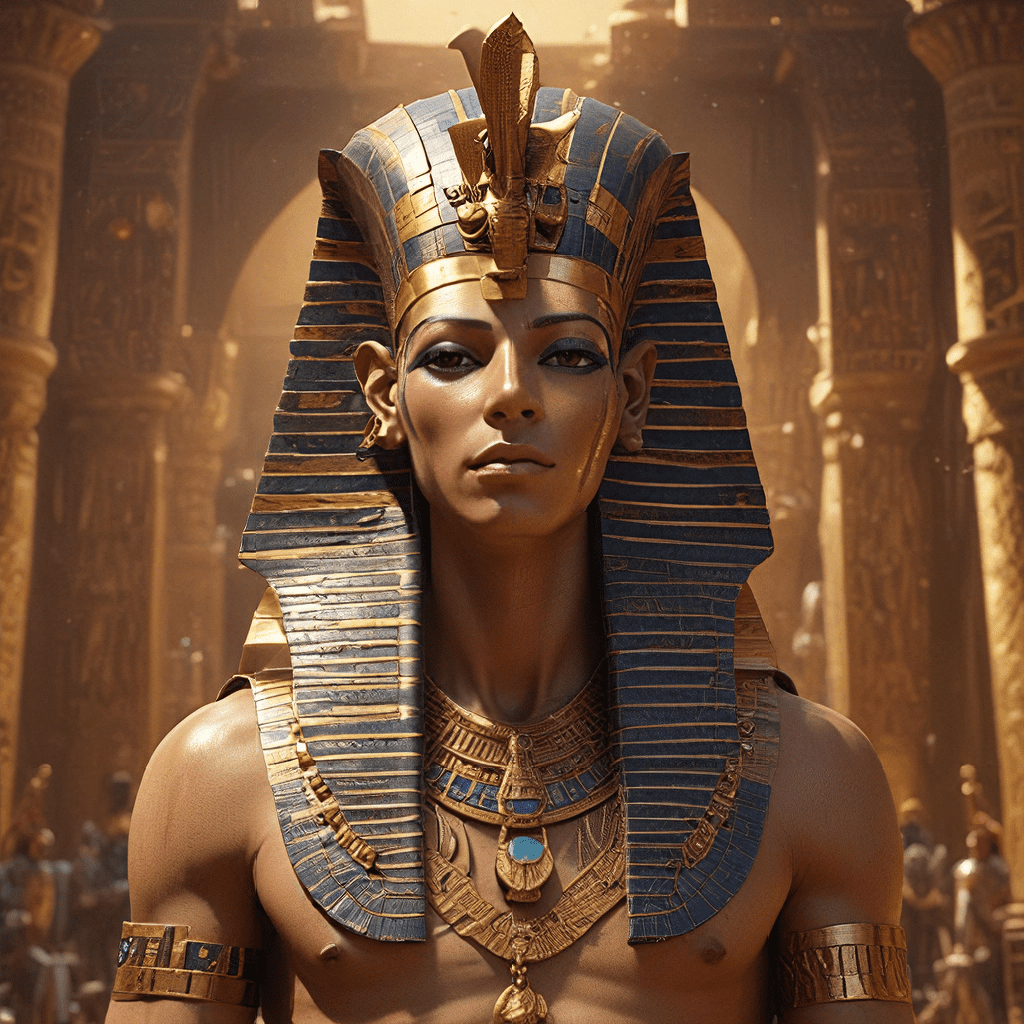
The Eternal Ruler: Celebrating the Pharaoh’s Power in the Sed Festival
The Sed Festival, a grand celebration held in ancient Egypt, was more than just a lavish party. It was a powerful ritual that reaffirmed the divine right of the Pharaoh to rule, ensuring the stability and prosperity of the entire kingdom.
1. The Pharaoh: Divine King and Unifier of Egypt
In ancient Egypt, the Pharaoh was not just a ruler; he was seen as a divine king, a living manifestation of the sun god Ra, who brought life and light to the land. He was also the embodiment of Horus, the falcon god of kingship, representing strength, vigilance, and protection.
The Pharaoh’s role was not only to lead armies and defend the kingdom but also to maintain order, justice, and prosperity. He was the link between the earthly realm and the divine, ensuring the well-being of his people and the continued existence of Egypt.
2. The Sed Festival: A Ritual of Renewal and Legitimacy
The Sed Festival, also known as the “Jubilee,” was a spectacular event that celebrated the Pharaoh’s enduring power and ensured the continued well-being of Egypt. It was held after a specific number of years of reign, typically 30, symbolizing a period of stability and accomplishment.
The festival’s symbolic significance lay in its demonstration of the Pharaoh’s physical strength and spiritual vitality. It was a powerful reminder to the people that their king was still strong and capable of leading them. This ritual served to legitimize the Pharaoh’s rule, assuring the people that their leader was divinely chosen and still possessed the strength to lead them.
3. Preparations for the Sed: A Grand Spectacle
The Sed Festival was a meticulously planned and executed event, demanding years of preparation. Elaborate plans were made, involving skilled artisans, priests, and nobles who worked tirelessly to ensure the festival’s success.
Special monuments and temples were built to commemorate the occasion, showcasing the Pharaoh’s achievements and his dedication to his people. These structures served as a lasting testament to the festival’s significance and the Pharaoh’s enduring legacy.
People from across Egypt journeyed to the capital, eager to participate in the festivities and witness the spectacle firsthand. The anticipation and excitement surrounding the Sed Festival brought the entire kingdom together in a shared celebration of their divine king.
4. The Rituals of the Sed Festival: A Journey of Empowerment
The Sed Festival began with a grand procession, where the Pharaoh journeyed to the temple, accompanied by priests, nobles, and a grand entourage. The atmosphere was filled with music, chants, and the sounds of jubilant crowds, demonstrating the collective fervor and reverence for their king.
The rituals during the festival reenacted key moments in the Pharaoh’s life, symbolizing the renewal of his power and legitimacy. The Pharaoh’s birth, coronation, and past triumphs were reenacted, reminding everyone of his divine right to rule and his dedication to the prosperity of Egypt.
Symbolic acts of offering, sacrifice, and renewal were performed, reaffirming the Pharaoh’s connection to the divine and his role as a mediator between the gods and his people. These rituals served to renew the Pharaoh’s mandate to rule, ensuring continued stability and growth for Egypt.
5. The Ritualistic Races: A Display of Strength and Unity
The Sed Festival included athletic competitions, known as “ritualistic races,” where the Pharaoh participated, showcasing his physical strength and agility. These races symbolized his ability to overcome challenges and protect the kingdom from threats.
The people also participated in races and games, demonstrating their unity and loyalty to their king. The participation of all societal levels in the games showcased the collective strength and unity of the kingdom, reinforcing the Pharaoh’s authority and the shared sense of purpose within Egypt.
6. The Significance of the Sed: A Renewal of Power and Legitimacy
The Sed Festival was more than just a celebration; it was a pivotal moment in the Pharaoh’s reign. It served to rejuvenate his mandate to rule, ensuring continued stability and growth for Egypt. The festival reaffirmed his divine right to rule, strengthening his authority and ensuring that his rule would continue for many years to come.
7. The Sed Festival in the Ancient Records: Evidence of its Importance
Historical records and depictions of Sed Festivals from various periods provide valuable insights into the festival’s importance and its enduring legacy. These records show the festival’s prominence in Egyptian art, literature, and architecture, highlighting its significance in the lives of the ancient Egyptians.
The Sed Festival, a celebration of the Pharaoh’s power and a reaffirmation of his divine mandate, played a vital role in shaping the Egyptian identity and ensuring the stability of the kingdom. It is a testament to the enduring power of tradition and the profound reverence that the ancient Egyptians held for their divine kings.